
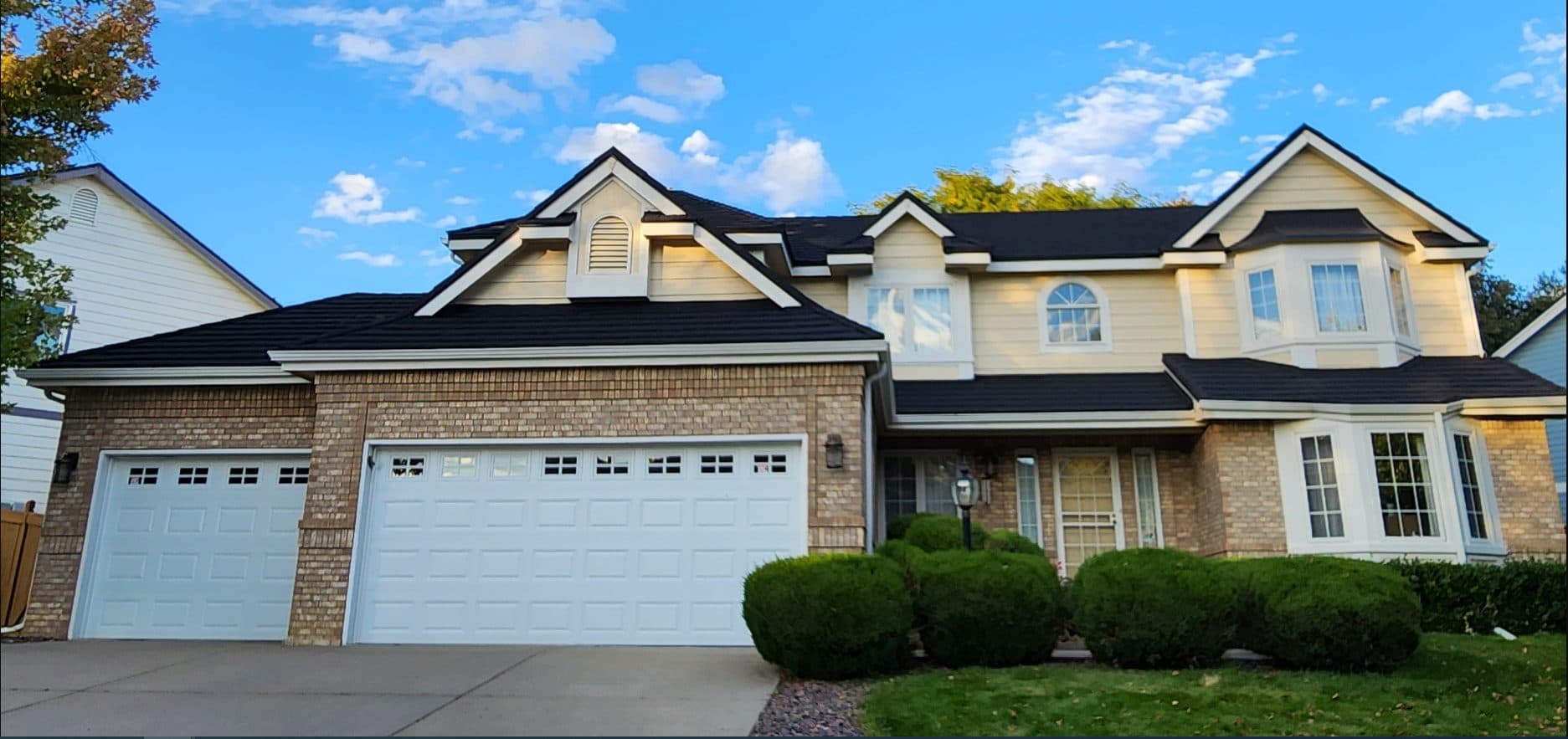
Best Roofing Material for Colorado Hail Country: The Case for Stone Coated Steel
Colorado sits in the most hail-active corridor in the United States. The stretch from Fort Collins down through Denver and into Colorado Springs sees more hail events per year than almost anywhere else in the country, and the hailstones that form at Front Range elevations tend to be larger and faster-moving than those in lower-altitude states. If you're replacing a roof here and hail isn't your first consideration, it probably should be.
There are several materials that hold up reasonably well in hail. But if you want the strongest combination of impact resistance, longevity, and insurance benefit, stone coated steel roofing makes the most compelling case. Here's why, and where its limits are.
Why Most Roofing Materials Struggle Here
Standard asphalt shingles are the most common roofing material in the country, and they work fine in many climates. In Colorado, they face a compounding set of stressors: intense UV radiation at altitude, aggressive freeze-thaw cycles through the winter, and periodic hail that can range from pea-sized to baseball-sized depending on the storm. The combination shortens their effective lifespan, and after a significant hail event, asphalt shingles can lose granules, crack, or bruise in ways that compromise their waterproofing ability.
Even premium architectural shingles rated at Class 4 impact resistance (the highest rating available) can sustain functional damage in large hail events. The granule loss that follows affects both the shingle's UV protection and, over time, its ability to shed water properly.
Other materials like wood shake look great but are fire-prone and require high maintenance. Concrete tile holds up to impact but is heavy and can crack under the thermal cycling Colorado winters produce.
What Makes Stone Coated Steel Different
Stone coated steel is exactly what it sounds like: a steel panel (typically 26-gauge Zincalume or Galvalume steel) with a stone granule coating baked on through an acrylic bonding process. The result is a roofing material that combines the structural strength of metal with an appearance that mimics traditional shingles, shake, or tile.
The steel core is what sets it apart in hail performance. Steel panels flex slightly on impact rather than cracking or fracturing, which is why stone coated steel consistently earns the Class 4 impact resistance rating, the highest rating from the Insurance Institute for Business & Home Safety (IBHS). Class 4 requires surviving two direct strikes from a 2-inch steel ball dropped from 20 feet without cracking or fracturing. No other common roofing material passes that test as reliably.
The stone granule coating disperses hail energy across the surface rather than absorbing it at a single point, adding another layer of protection the steel alone wouldn't provide.
The Honest Caveat: Cosmetic Damage Is Still Possible
Stone coated steel is not indestructible, and it's worth being clear about what hail can and cannot do to it.
Under typical Front Range hail (up to around 1.5 to 2 inches in diameter), stone coated steel holds up exceptionally well: no cracking, no meaningful granule loss, no water infiltration. This is the scenario where the Class 4 rating earns its keep.
In unusually severe storms with hailstones larger than 2 inches, two things can happen:
- The stone granules can be dislodged. The coating is durable, but a direct strike from a very large hailstone can knock granules loose, leaving bare steel visible in spots.
- The steel panel itself can dent. The structural integrity of the roof isn't compromised. It will still keep water out. But the surface may show visible denting.
This matters for insurance. Many homeowners insurance policies, especially those issued or renewed in recent years in Colorado, include cosmetic damage exclusions. Under these exclusions, damage that affects the appearance of the roof but not its function as a water barrier may not be covered. Granule loss and denting without leaks can fall into that category.
This isn't a reason to avoid stone coated steel. It's a reason to read your policy carefully. If your insurer offers a cosmetic damage exclusion as part of your premium pricing, understand exactly what you're giving up before you sign it. A roof that looks roughed up but isn't leaking may still need replacement eventually, and whether that's covered depends entirely on what your policy says.
If you've already experienced hail damage and are assessing your options, our hail damage restoration page covers what to look for and how the process works.
The Insurance Premium Benefit
The flip side of the insurance conversation is the discount side. Homeowners with Class 4 impact-rated roofing (stone coated steel qualifies) can often receive meaningful discounts on their homeowner's insurance premiums in Colorado. The exact amount varies by insurer, policy, and location.
Over time, those savings can meaningfully offset the higher upfront cost of stone coated steel compared to asphalt. If you're comparing total cost of ownership over 20 or 30 years, the insurance savings belong in that calculation.
Ask your insurer directly what discount applies to a Class 4 roof before you choose a material. Get it in writing. It's one of the more concrete financial benefits of choosing a higher-performance material in a hail-prone market.
How It Compares to Other Hail-Resistant Options
Class 4 asphalt shingles: Achievable and less expensive upfront. Still susceptible to granule loss and bruising in significant hail, and the underlying fiberglass mat can be damaged even when the surface looks intact. Lifespan in Colorado conditions tends to run 20 to 25 years in practice.
Standard metal roofing (standing seam): Excellent hail resistance, no granules to lose. Tends to show denting more visibly than stone coated steel because the panels are larger and more exposed. Some homeowners find the appearance less appealing.
Concrete tile: Heavy (requires reinforced roof structure), can crack in severe hail, and thermal cycling in Colorado winters creates long-term stress on mortar and fasteners.
Stone coated steel: Higher upfront cost than asphalt, longer expected lifespan (40 to 50 years from manufacturers like DECRA), best hail performance among aesthetically traditional roofing options, and meaningful insurance premium benefits. The cosmetic damage caveat is real but manageable if you go in with clear expectations about your policy.
What to Ask When Getting an Estimate
If you're getting bids for a roof replacement and considering stone coated steel, a few questions worth asking:
- What gauge steel is the panel? (26-gauge is standard; thicker is more dent-resistant)
- Which manufacturer's product are you using, and what does the warranty cover?
- Is the warranty transferable if I sell the home?
- Will this installation qualify for a Class 4 insurance discount, and can you document that for my insurer?
- What does your installation warranty cover, and for how long?
The product quality matters, but so does the installation. Stone coated steel installed incorrectly (improper underlayment, fastening errors, poor flashing) will underperform regardless of what the manufacturer's spec sheet says.
The Bottom Line
If you're replacing a roof in Colorado and hail resistance is a primary concern, stone coated steel is the most defensible choice available. It's not hail-proof. Nothing is. But it outperforms every other traditional roofing material in impact resistance testing, lasts significantly longer than asphalt, and comes with insurance benefits that partially offset its higher cost.
Go in with clear eyes about cosmetic damage in severe events, read your policy carefully before agreeing to cosmetic exclusions, and make sure you're working with a contractor who has real experience with metal roofing installation.
If you want to talk through whether stone coated steel makes sense for your specific home, we're happy to take a look.
Frequently Asked Questions
Is stone coated steel roofing truly hail-proof?
No roofing material is hail-proof. Stone coated steel carries a Class 4 impact resistance rating, which is the highest available, and it performs better than any other traditional roofing material in hail. But extremely large hailstones (above 2 inches in diameter) can still dislodge granules or dent the steel surface. The roof will continue to function as a water barrier, but there may be visible cosmetic damage.
Will my insurance cover cosmetic hail damage on a stone coated steel roof?
It depends on your policy. Many Colorado insurers now include cosmetic damage exclusions, which means damage that doesn't cause leaks or functional failure may not be covered. Review your policy before a storm, not after. If your insurer is offering a cosmetic exclusion as a premium trade-off, make sure you understand exactly what that means before agreeing to it.
How does stone coated steel compare to Class 4 asphalt shingles for hail?
Both carry a Class 4 rating, but they respond differently. Asphalt shingles can lose granules and sustain bruising that weakens the fiberglass mat beneath, even when it isn't immediately visible. Stone coated steel's steel substrate is less vulnerable to that kind of cumulative damage. For repeated hail exposure over many years, stone coated steel holds up better in practice.
Does stone coated steel dent from hail?
It can, in large enough hail events. The granule coating helps absorb and disperse impact energy, but a direct strike from a very large hailstone can cause a visible dent in the steel panel. The roof remains watertight. Whether that denting is covered by insurance depends on your policy's cosmetic damage provisions.
How long does stone coated steel roofing last in Colorado?
Manufacturers like DECRA rate their products for 40 to 50 years, and the steel substrate doesn't degrade from UV or freeze-thaw cycles the way asphalt does. In Colorado conditions, where asphalt roofs often need replacement every 20 to 25 years, stone coated steel is a meaningful durability upgrade. Longevity depends on installation quality and maintenance, but it's realistic to expect the roof to outlast your time in the home.
Does stone coated steel roofing qualify for an insurance discount in Colorado?
In most cases, yes. Class 4 impact-rated roofing qualifies for discounts with many insurers in Colorado. The exact discount varies by insurer and policy. Contact your insurance provider directly, ask specifically about Class 4 discounts, and get the answer in writing before finalizing your roofing material choice.