
Stone Coated Steel vs. Asphalt Shingles: Which Lasts Longer in Colorado?
If you're replacing a roof in Colorado and trying to decide between stone coated steel and asphalt shingles, the honest answer is that both can work well here. But they perform differently, cost differently, and hold up differently over time. Understanding those differences will help you make a decision you won't second-guess five years from now.
Lifespan: What to Realistically Expect
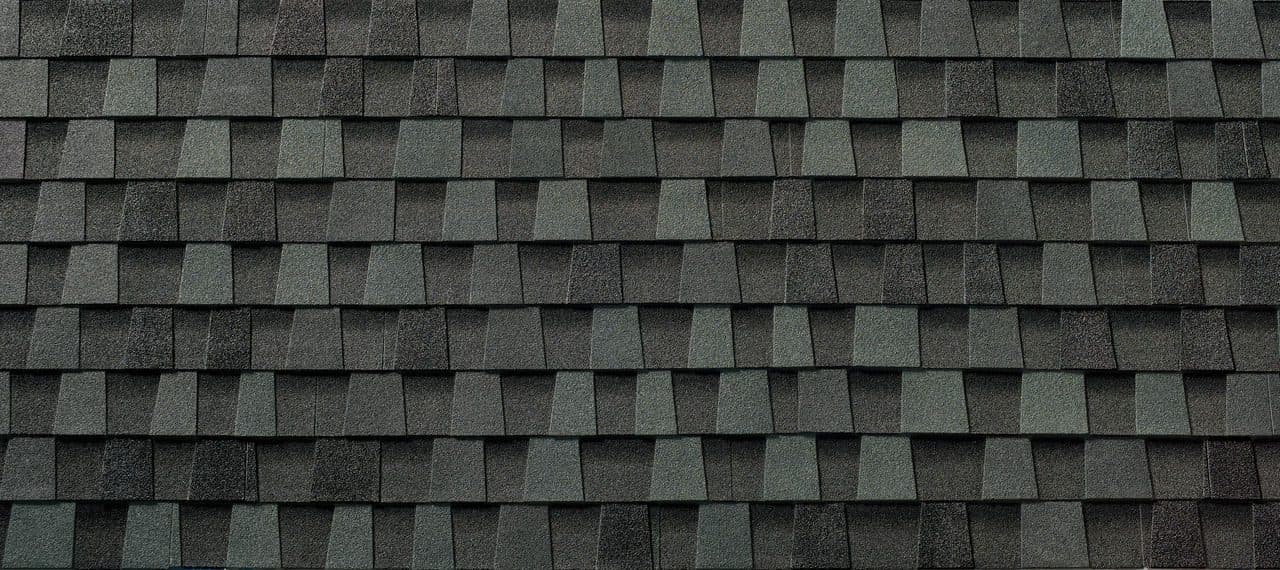
Asphalt shingles are the most common roofing material in the country for a reason. They're reliable, well-understood, and when properly installed, a quality architectural shingle can last 25 to 30 years under normal conditions. In Colorado, though, "normal conditions" is relative. The combination of intense UV exposure at altitude, freeze-thaw cycles, and periodic hail tends to shorten that lifespan. Many Colorado homeowners find their asphalt roofs needing replacement closer to the 20-year mark.
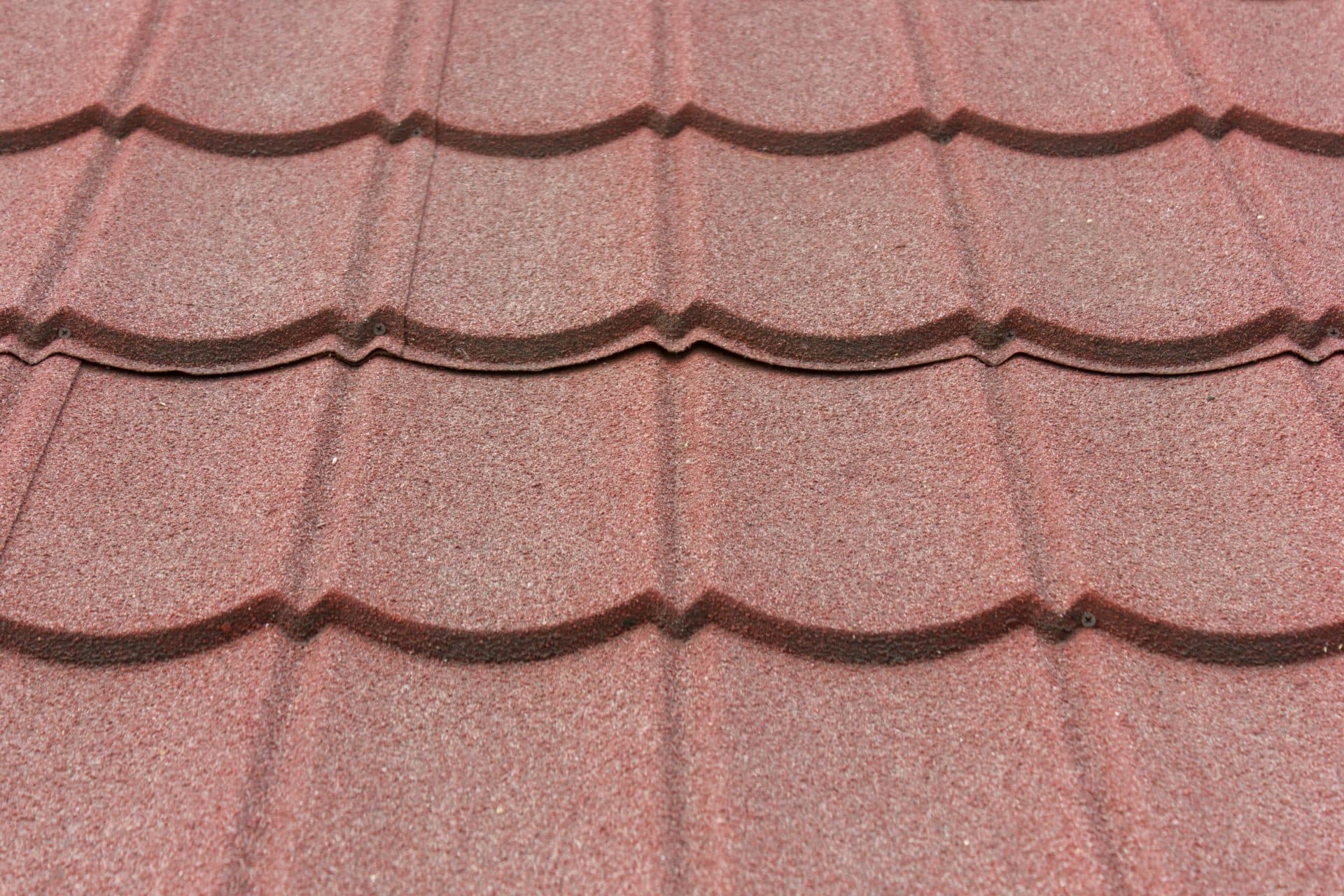
Stone coated steel roofing is rated to last significantly longer. Manufacturers typically cite 40 to 50 years, and the steel substrate itself doesn't deteriorate the way asphalt does under UV exposure or thermal cycling. That's a meaningful difference when you're thinking about whether you'll need to do this again.
Hail Performance: A Major Factor in Colorado
Colorado sits in the heart of the country's most hail-active region. If you own a home on the Front Range, it's not a question of whether you'll see hail, it's a question of when and how large.
Asphalt shingles have impact resistance ratings. Class 4 is the highest rating available from the Insurance Institute for Business & Home Safety, and many premium architectural shingles can achieve it. Class 4 shingles can qualify you for a discount on your homeowner's insurance premium, so it's worth asking your insurer before you choose a product.
Stone coated steel also carries Class 4 impact ratings, and the steel substrate underneath gives it a structural advantage in severe hail. The stone coating can sustain cosmetic damage from very large hail, but the roof's ability to keep water out is less likely to be compromised than with asphalt.
If hail is a top concern, both materials can be specified to Class 4. The difference is in how each material responds to damage over time and repeated storm events.
Warranty Comparison
Most manufacturer warranties on architectural asphalt shingles run 30 years, with some premium lines offering limited lifetime coverage. Read the fine print carefully. Many warranties are prorated after the first several years, which means if your roof fails at year 20, the manufacturer's contribution may be smaller than you'd expect.
Stone coated steel typically comes with a 50-year or lifetime warranty, and the proration terms tend to be more favorable over the long term. DECRA Roofing Systems, one of the major stone coated steel manufacturers, offers a transferable warranty, which can be a useful selling point if you sell your home before the roof's useful life is up.
That said, any warranty is only as good as the installation behind it. Improper installation voids manufacturer coverage on both material types.
Total Cost: Upfront vs. Long-Term
Asphalt shingles cost less upfront. Depending on the complexity and size of your roof, the gap between asphalt and stone coated steel can be significant. That's a real consideration, especially if you're working within a budget or don't plan to stay in the home long-term.
Stone coated steel costs more to install, but if you're staying in the home and account for the likelihood of replacing an asphalt roof once (or more) over a 50-year window, the total cost picture shifts. You're also factoring in potential insurance savings from Class 4 impact resistance and the reduced probability of storm-related repair costs.
There's no universally correct answer here. It depends on your budget now, your timeline, and your tolerance for dealing with roof issues in the future.
Which One Makes More Sense for Colorado?
Both materials are used successfully in Colorado. Asphalt shingles remain the more practical choice for many homeowners, particularly when upfront cost is a constraint. A Class 4 architectural shingle installed correctly will serve you well for two decades or more.
Stone coated steel is worth the higher investment if longevity and storm performance are your priorities and your budget allows for it. For homeowners planning to stay long-term, the math often works in its favor.
The best starting point is getting a clear-eyed assessment of your specific roof, your local risk factors, and a side-by-side cost comparison from a contractor who installs both. If you want to explore your options, our roofing service page gives an overview of what we offer, and our stone coated steel roofing page goes deeper on that specific material.
Frequently Asked Questions
How long do asphalt shingles actually last in Colorado?
Under good conditions with proper installation, a quality architectural asphalt shingle can last 25 to 30 years. In Colorado, the combination of UV intensity, temperature swings, and hail means many roofs need attention or replacement closer to the 20-year mark. Higher-end shingles with better granule coverage and impact ratings tend to hold up better.
Is stone coated steel worth the extra cost?
It depends on your situation. If you're planning to stay in the home long-term and want to avoid another roof replacement in 20 years, the higher upfront cost often makes sense over time. If budget is tight or you expect to sell the home within the next decade, asphalt shingles are a reasonable, cost-effective choice.
Will a Class 4 roof lower my insurance premium?
Many insurers offer discounts for Class 4 impact-resistant roofing materials, and Colorado insurers in particular are familiar with these ratings given the frequency of hail in the region. The discount varies by carrier and policy. Contact your insurance provider before you choose a material to find out what, if anything, applies to your policy.
Can stone coated steel be damaged by hail?
Yes, large hail can cause cosmetic damage to the stone coating on the surface. However, because the substrate is steel, the structural integrity of the roof is generally better preserved than with asphalt, which can crack, bruise, or lose granules in a significant hail event. Cosmetic damage doesn't necessarily mean the roof is leaking or needs replacement.
Does the warranty transfer if I sell my home?
It varies by manufacturer. Some stone coated steel manufacturers offer transferable warranties, which can be a selling point when you list the home. Asphalt shingle warranties also vary, with some being non-transferable or transferring only once. Check the specific warranty documentation for whatever product you're considering.