
ROOF LEAK REPAIR
A leaking roof gets worse every day. We track down the source, assess the damage, and give you an honest recommendation so you can make the right call.
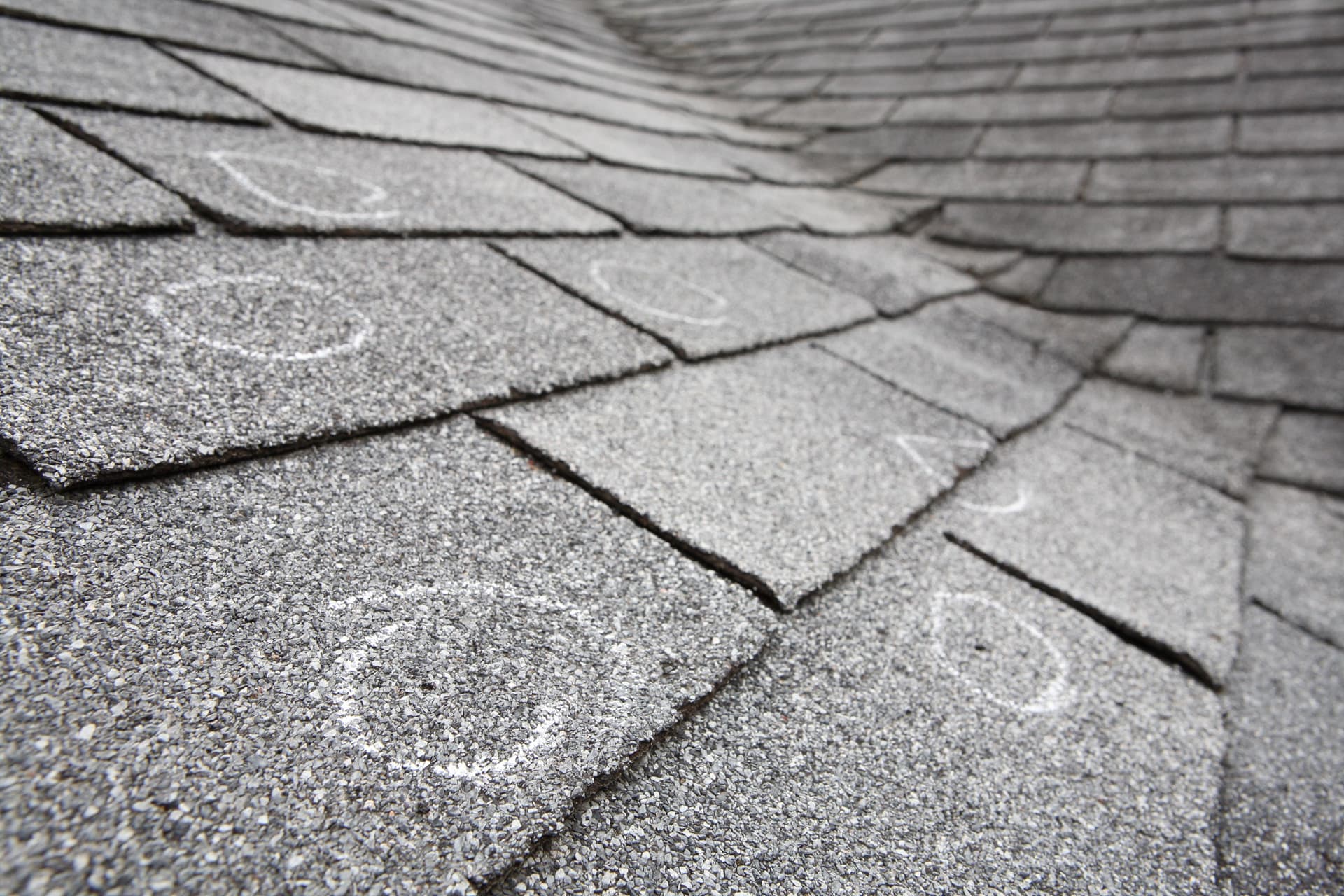
Roof Leak Repair in Denver, Colorado
A water stain on your ceiling. A drip during heavy rain. A musty smell in the attic. These are all signs your roof is leaking — and every day you wait, the damage spreads. Water travels unpredictably inside your roof structure, soaking insulation, rotting wood framing, and creating ideal conditions for mold growth.
At The Roofing & Siding Company, we specialize in finding leaks at their source — not just where the water appears. Our systematic inspection process traces the leak back to its origin point, and we give you a clear, honest assessment of the damage so you know exactly what you're dealing with.
Common Causes of Roof Leaks
- Damaged Flashing: Metal flashing around chimneys, skylights, walls, and valleys is the #1 source of roof leaks. Over time, flashing corrodes, lifts, or separates from surfaces, creating a direct path for water entry.
- Failed Pipe Boots: Rubber boots around plumbing vents crack and deteriorate after 10–15 years of UV and temperature exposure, creating gaps around every pipe penetration on your roof.
- Worn or Missing Shingles: Wind, hail, and age cause shingles to crack, curl, or blow off entirely, exposing the underlayment and decking to direct water contact.
- Valley Failures: Roof valleys channel large volumes of water. When valley flashing or shingles fail, the concentrated water flow causes rapid damage.
- Ice Dam Damage: Denver's freeze-thaw cycles create ice dams along the eaves that force water underneath shingles and into the roof deck and attic.
- Skylight Seal Failure: Skylights are surrounded by flashing and sealant that degrades over time. Even well-installed skylights can develop leaks after 15–20 years.
- Clogged Gutters: When gutters back up, water pools along the roofline and wicks underneath shingles, especially during heavy Colorado downpours.
Our Leak Detection Process
- Interior Inspection: We start by examining water stains, drip locations, and attic conditions to understand the symptom pattern and narrow down the leak zone.
- Exterior Roof Inspection: We systematically inspect the suspect area — checking shingles, flashing, penetrations, valleys, and vents for any signs of failure.
- Source Identification: We trace the leak to its true origin. Water can travel 10+ feet along a rafter before dripping, so the visible stain is rarely directly below the entry point.
- Honest Assessment: We explain exactly what failed and walk you through your options with a written estimate. If insurance applies, we document everything for your claim.
- The Right Solution: Based on the extent of the damage, we recommend the best path forward and use manufacturer-spec materials to get the job done right.
Signs You Have a Roof Leak
- Water stains on ceilings or walls (brown, yellow, or dark spots)
- Dripping water during or after rain
- Musty or moldy smell in the attic or upper floors
- Peeling paint or bubbling drywall on ceilings
- Sagging ceiling sections (indicates pooled water above)
- Damp or wet insulation in the attic
- Daylight visible through the roof boards
- Granules collecting in gutters (sign of shingle deterioration)
Serving the Entire Denver Metro
We inspect roof leaks throughout the Denver metro area. Don't let a small leak turn into a major problem — call us for a free inspection.
Roof Leak Repair FAQ
How do I find where my roof is leaking?
Roof leaks are tricky — water often enters at one point but travels along rafters, sheathing, or insulation before appearing as a stain or drip somewhere else entirely. Common entry points include damaged flashing around chimneys and skylights, cracked pipe boots, worn valley shingles, and failed sealant. A professional inspection is the most reliable way to trace the leak to its actual source.
Can a roof leak be repaired or does the whole roof need replacing?
It depends on the age of your roof, the extent of the damage, and where the leak is coming from. Sometimes the damage is localized, and sometimes it points to a bigger issue. We'll give you an honest assessment during your free inspection so you can make the best decision for your home.
How much does it cost to address a roof leak in Denver?
Costs depend on the source of the leak, the extent of the damage, and what solution makes the most sense for your situation. We provide a detailed written estimate after your free inspection — no surprises.
Is a small roof leak a big deal?
Yes. Even a minor leak that only drips during heavy rain is causing damage you can't see — wet insulation loses its effectiveness, wood framing begins to rot, and mold can grow within 24–48 hours of sustained moisture. Addressing a leak early can save you from much more costly damage down the road.
My ceiling has a water stain but I don't see a drip. Is my roof leaking?
Likely yes. A water stain means moisture entered at some point. The leak may be intermittent (only during heavy rain or certain wind directions) or the entry point may have temporarily sealed with debris. It's important to get a professional inspection before the next rain event reactivates the leak and causes more damage.
Trusted by Colorado homeowners. Certified by the best.

“Jack and his team did an incredible job siding and painting our house! They are very meticulous and detail oriented. The project was done perfectly on-time and on-schedule. They are one of the best! Hire them already! No questions asked.”
Roof Leaking?
No obligation. Just an honest assessment and a clear plan.