
Full Exterior Siding Replacement in Denver, CO: James Hardie Statement Collection
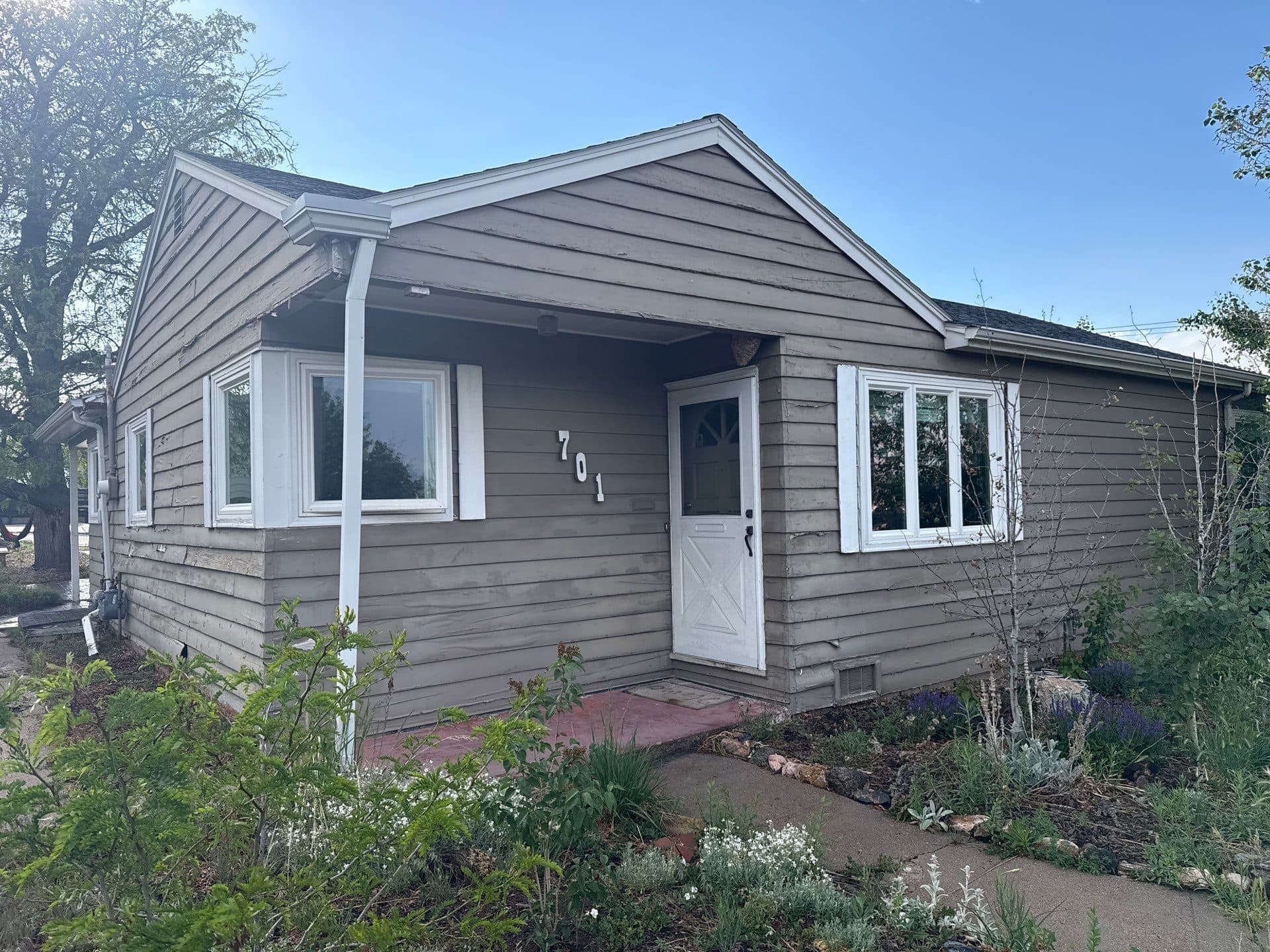
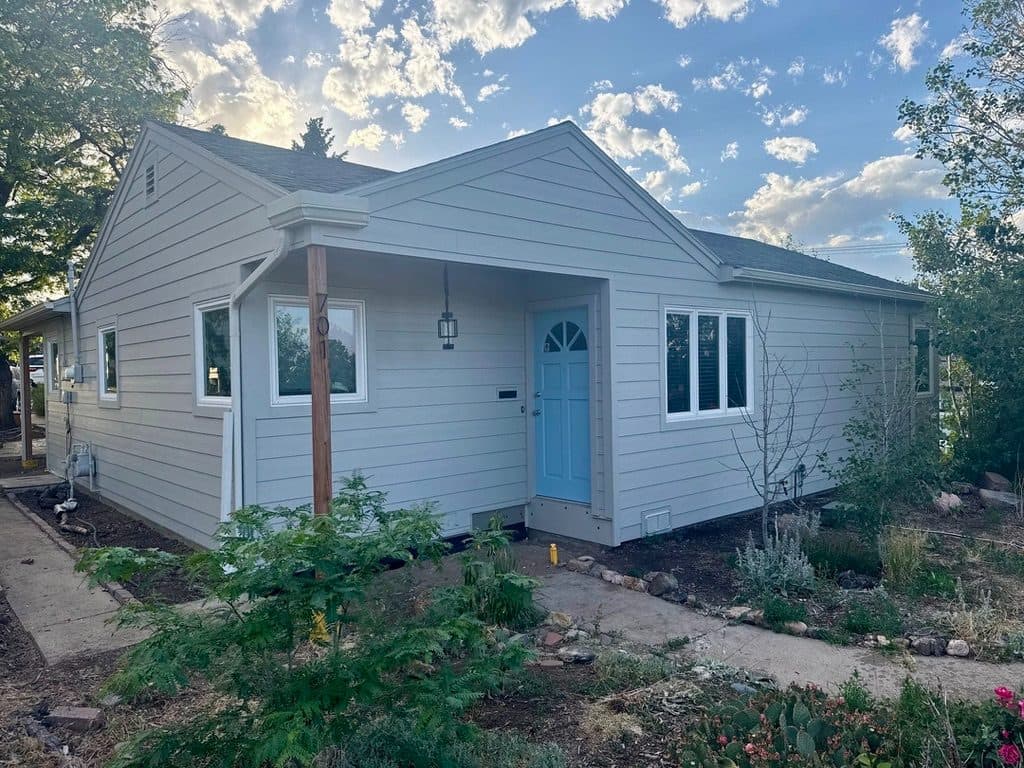
A Denver homeowner came to us with aging wood siding that had reached the end of its useful life. Wood siding requires consistent maintenance to hold up. And when that maintenance falls behind, or the wood simply reaches the end of its lifespan, replacement becomes the practical choice. The homeowner's priority was straightforward: replace it with something that would hold up long-term without the same upkeep demands. We replaced the entire exterior with James Hardie Statement Collection siding and trim, and addressed the sheathing, soffits, fascia, and gutters at the same time.
What We Did
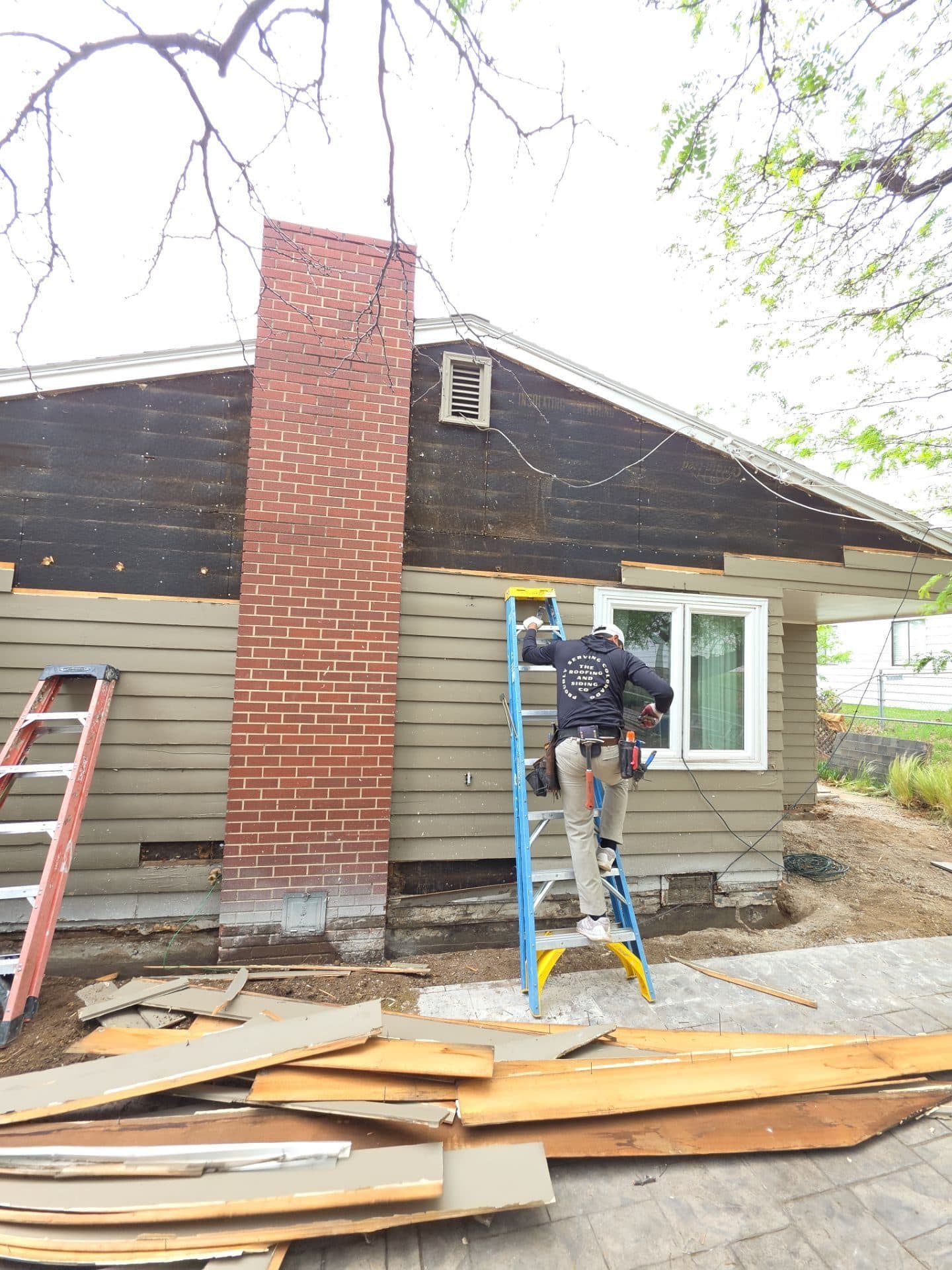
- Removed the original wood siding and installed new OSB sheathing
- Installed James Hardie Statement Collection fiber cement siding across the full exterior
- Replaced all trim with James Hardie fiber cement trim products
- Replaced soffits and fascia with James Hardie fiber cement trim products
- Installed new gutters
Why Fiber Cement Makes Sense for Colorado Homes
Wood siding isn't a bad product, but it asks a lot of the homeowner. It needs to be painted or sealed on a regular schedule, it's vulnerable to moisture, and in Colorado's climate. With significant swings between wet springs, dry summers, and freezing winters. Those vulnerabilities add up over time.
James Hardie fiber cement siding addresses most of those concerns directly. It doesn't rot, it resists moisture, and it holds paint significantly longer than wood. It's also non-combustible, which matters in a state where wildfire risk is a real consideration for many Front Range neighborhoods.
Replacing the OSB sheathing at the same time as the siding is worth noting. When wood siding deteriorates over years, the sheathing underneath can absorb moisture as well. Starting fresh with new sheathing means the new siding has a clean, solid substrate. And there are no hidden issues left behind the walls.
Finally, replacing soffits, fascia, and gutters at the same time as siding is often the right call. These components work together as a system, and mismatched materials or ages can create gaps in protection. Doing it all at once also avoids the labor cost of returning to re-do adjacent work later.
This project gave a Denver home a complete exterior refresh. Durable, low-maintenance, and built to handle what Colorado's climate actually delivers year after year.
Frequently Asked Questions
How long does James Hardie siding last?
James Hardie fiber cement siding is engineered to last for decades. The product carries a 30-year limited warranty, and with proper paint maintenance, most homeowners can expect strong performance well beyond that timeframe.
Why did you replace the OSB sheathing?
When wood siding ages and allows moisture to penetrate, the sheathing behind it can deteriorate as well. In this project, new sheathing was installed to give the fiber cement siding a clean, structurally sound surface to attach to. Skipping this step when it's needed can shorten the life of even the best siding products.
Is fiber cement siding more expensive than vinyl?
The upfront cost of fiber cement is generally higher than vinyl, but the gap narrows when you factor in long-term paint and maintenance costs. Fiber cement holds paint longer than wood and doesn't warp or crack the way vinyl can under temperature extremes, so the total cost of ownership over 20 to 30 years is often comparable or lower.
Do gutters need to be replaced when siding is replaced?
Not always, but it's worth evaluating. When fascia is being replaced, the gutters have to come down anyway. If the existing gutters are aging or undersized, replacing them at the same time avoids a second round of labor costs down the road. Your contractor should be able to assess their condition and give you an honest recommendation.
How do I know if my wood siding needs full replacement or just repairs?
If the damage is limited to a few boards, repair is often sufficient. When deterioration is widespread, when the sheathing behind the siding is affected, or when the siding is simply at the end of its lifespan, full replacement is usually the more cost-effective path. A contractor who will give you an honest assessment of the sheathing condition is essential to making that call correctly.