

Siding Behind the Scenes: Day 1
If you're getting ready for a siding replacement, it helps to know what to expect before the crew shows up. This post is the first in a series walking you through the typical siding replacement process, day by day. We'll cover what's happening so you can be prepared before the start of your siding replacement project.
Here's what a typical Day 1 looks like.
Materials and Dumpster Arrive First
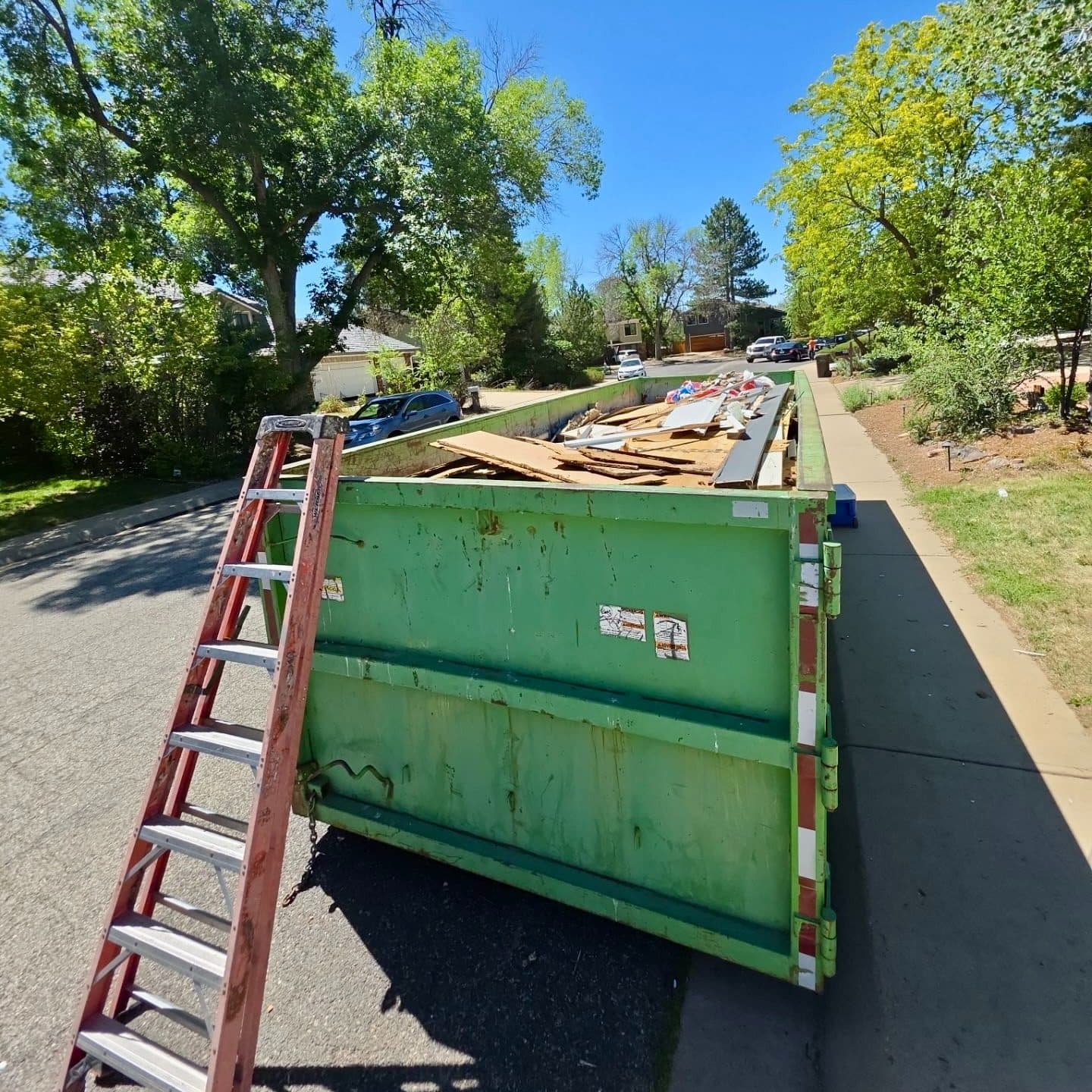
Before any work begins, your new siding and a dumpster will be delivered to your property. This usually happens early in the morning, sometimes before the crew arrives. Plan for a dumpster to occupy part of your driveway or a section of the street, depending on your property layout.
If you have a garage, make sure you can still access it. If you park in the driveway, move your vehicles the night before. It's a small thing, but it makes the morning go smoother for everyone.
Tear-Off: Removing the Old Siding
Once the crew is on-site, tear-off begins. This means stripping all of the existing siding off the home down to the structural sheathing underneath.
Tear-off generates a significant amount of debris, which is why the dumpster is there. The crew will be working around the exterior of your home throughout the day, so keep children and pets inside or away from the work area. It's a noisy process, and materials will be moving around constantly.
Sheathing Inspection
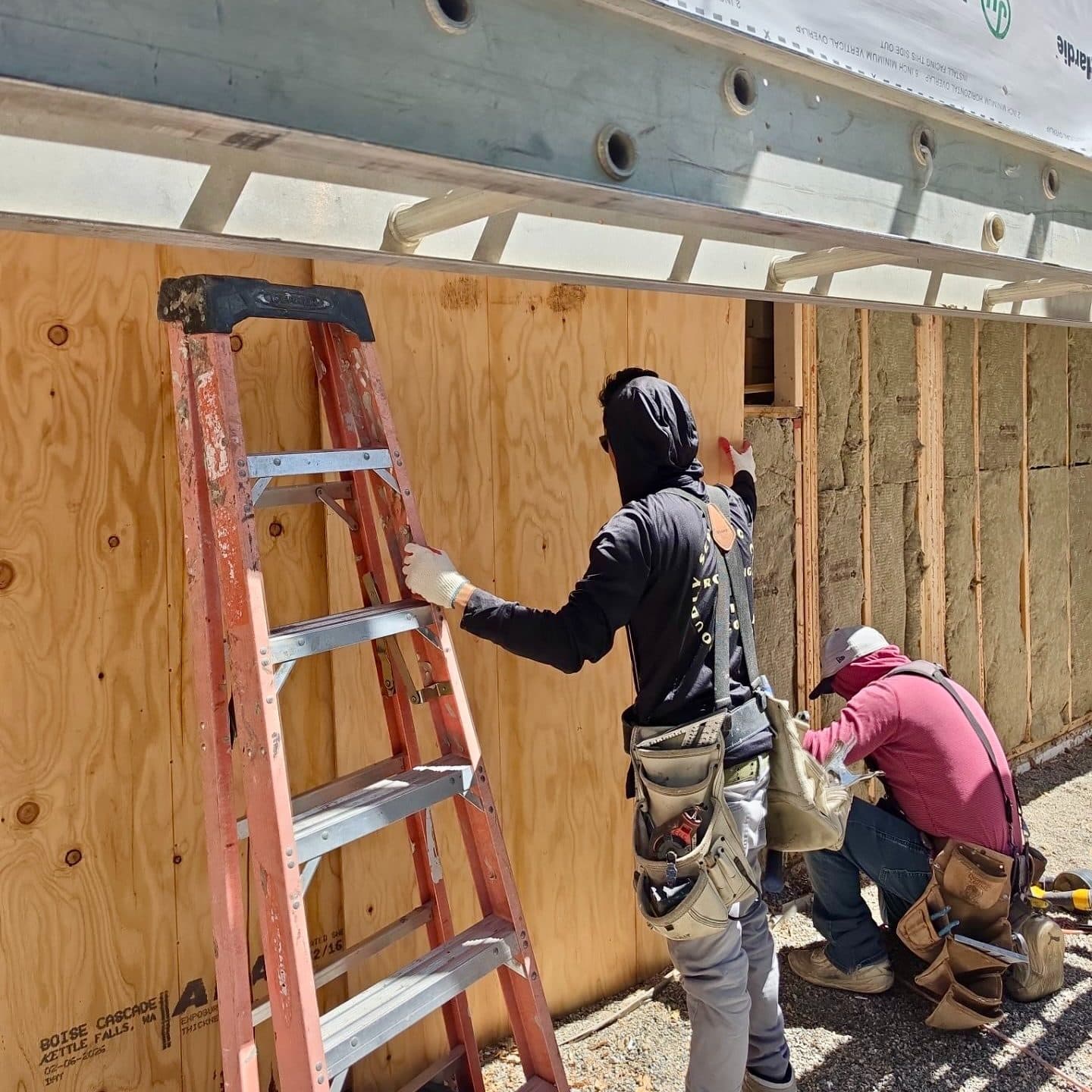
Once the old siding is off, the crew has a clear view of your home's wall sheathing.
Sheathing is the structural layer that connects your exterior cladding to your wall framing. When siding fails, gets damaged, or retains moisture over time, the sheathing underneath can rot, soften, or degrade. Because this layer is hidden behind the siding, problems here are often invisible until the old material comes off.
If any sheathing needs to be repaired or replaced, a reputable contractor will review that with you before proceeding. You should expect to see the area in question, get a clear explanation of what's wrong, and understand what the fix involves. This isn't an upsell moment. Damaged sheathing has to be addressed before new siding goes on. Installing siding over compromised sheathing would undermine the entire project.
The EPA notes that moisture intrusion is one of the primary causes of mold growth in homes. Catching sheathing damage at this stage is one of the most effective ways to prevent that from happening behind your new siding.
Housewrap
After tear-off and any sheathing work are complete, the crew installs housewrap across the exterior walls. Housewrap is a water-resistant barrier that sits between your sheathing and your new siding. It allows water vapor to pass outward from inside the wall while blocking liquid water from getting in from outside.
James Hardie, one of the leading manufacturers of fiber cement siding, includes housewrap installation as part of their recommended installation process. Because even the best siding material relies on proper moisture management behind it to perform correctly over time.
Housewrap installation is typically straightforward on a day with no complications, and for most homes, completing tear-off, sheathing review, and housewrap wrap up Day 1.
What You Can Do as the Homeowner
A few practical things to take care of before the crew arrives:
- Clear the perimeter of your home. Move patio furniture, potted plants, grills, or anything else within a few feet of the walls.
- Protect anything in your garage that could be affected by dust or vibration.
- Make sure your contractor has a way to reach you during the day in case sheathing issues come up that require your input or approval.
- Ask ahead of time how sheathing repairs are priced, so there are no surprises if damage is found.
That's Day 1
By the end of the first day on a typical siding replacement project, your old siding is off, any sheathing problems have been identified and addressed, and housewrap is installed across your exterior walls. The home is protected overnight, and the crew is set up to begin the actual siding installation the following day.
In the next post in this series, we'll walk through what Day 2 looks like when the new siding starts going up.
Frequently Asked Questions
What happens if the crew finds sheathing damage during tear-off?
Your contractor should stop and walk you through what they found before doing any additional work. You'll typically be shown the damaged area, given an explanation of the issue, and presented with the cost to repair it. Work should not proceed on that section until you've approved the repair.
How long does tear-off take?
For most single-family homes, tear-off can be completed in one day. Larger homes, homes with multiple stories, or projects where significant sheathing damage is found may take longer. Your contractor should be able to give you a rough estimate based on your specific home.
Is it normal for the dumpster to be in my driveway?
Yes, that's common. If you have concerns about driveway damage from the weight of a full dumpster, you can ask your contractor about placing plywood underneath the wheels to distribute the load. Most dumpster companies and contractors are used to this request.
What is housewrap, and do I need to be home when it's installed?
Housewrap is a synthetic membrane installed over your wall sheathing before siding goes on. It manages moisture by letting vapor escape while blocking liquid water. You don't need to be home during installation, but it's worth being available by phone in case any sheathing issues come up that require your approval before the crew can move forward.
Can I look at my sheathing myself once the siding is off?
Absolutely, and it's a good idea. Once tear-off is done, ask your contractor to walk the exterior with you before housewrap goes on. You don't need to be an expert to notice obvious soft spots, discoloration, or areas that look visibly damaged. It's your home, and seeing the condition of the sheathing yourself gives you confidence that any repairs that are recommended are actually warranted.