
What to Do After Yesterday's Hailstorm: A Practical Guide for Front Range Homeowners
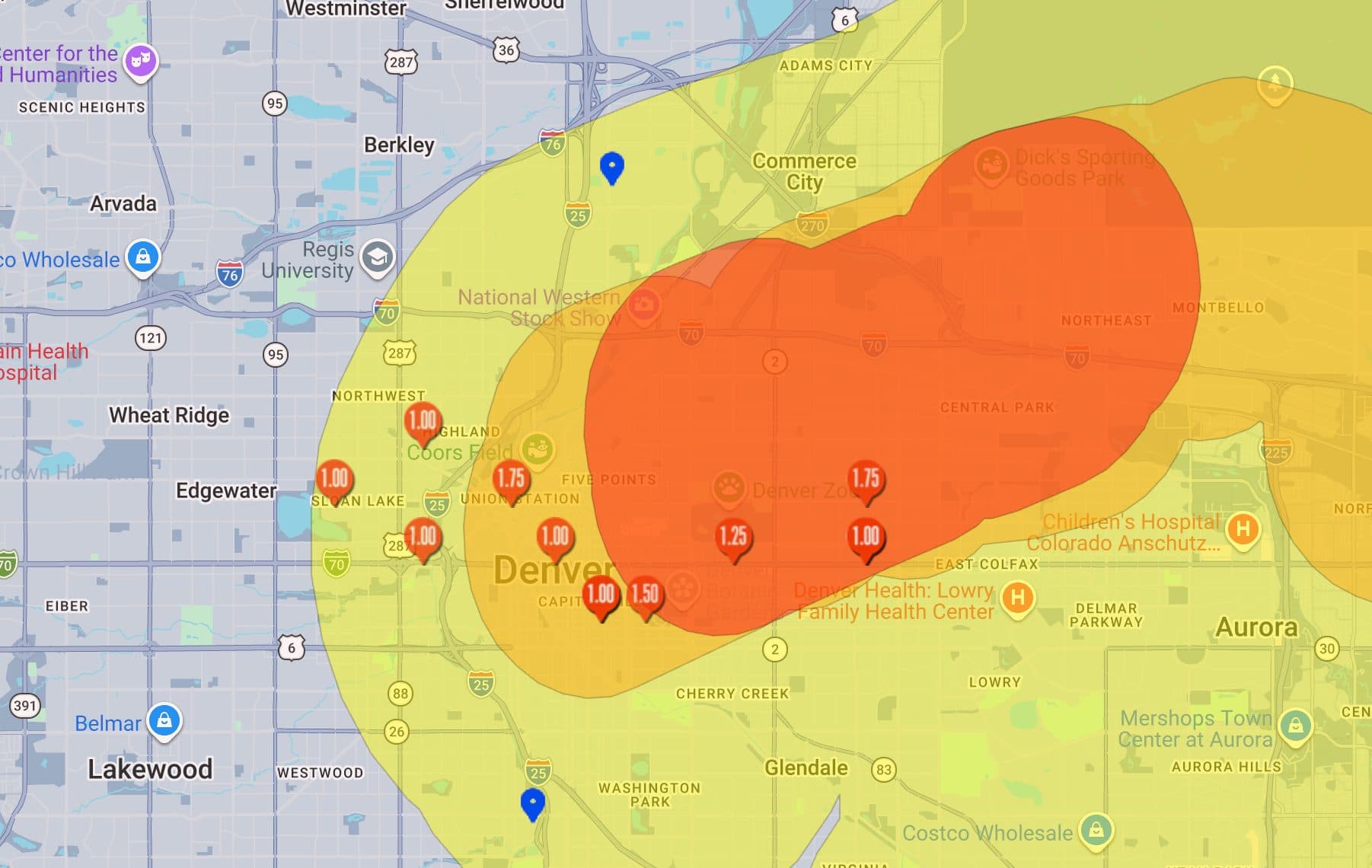
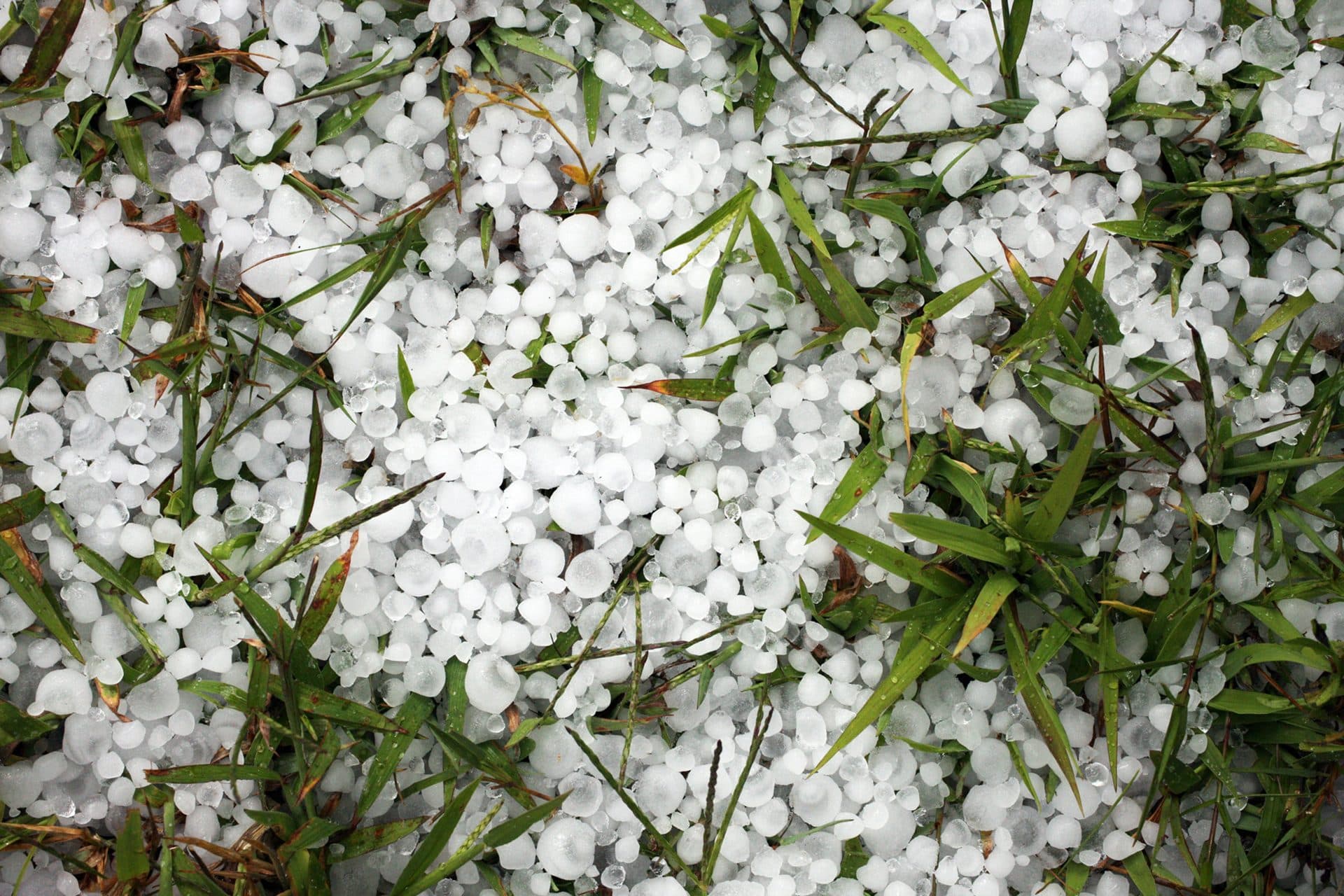
If you were in the Denver metro yesterday, you saw the storm. Golf ball-sized hail fell across parts of the area, and if that hail came down on your neighborhood, there's a reasonable chance your home took some hits. Here's what to do now, before you call anyone or make any decisions.
Start from the Ground
The first thing to do is a simple visual walkthrough of your property. And keep your feet on the ground. You don't need to get on your roof to get a sense of whether damage occurred, and getting up there after a storm can be dangerous due to wet roofing, compromised shingles, and uneven surfaces.
From the ground, look for obvious things: dented gutters, damaged gutter downspouts, cracked or broken window glass, or visible damage to siding panels. Hail that's large enough to dent a car hood is large enough to leave marks on aluminum gutters and softer siding materials, so those surfaces are a good early indicator of what might have happened up top.
Check window screens and any exposed metal trim, too. Dented or punctured screens are a reliable sign that the hail was large enough and fast enough to cause structural damage elsewhere.
What Roof Damage Can Look Like
A professional roof inspection is the only way to know for certain what's happening up there, but it helps to understand what hail damage actually looks like on a roof so you can have an informed conversation when someone comes out.
On asphalt shingles, hail damage often appears as dark, circular spots where the granules have been knocked loose. Those granules are important. They protect the underlying asphalt from UV exposure and moisture. Once they're gone, the shingle degrades faster. Significant impacts can also crack shingles or leave soft spots that you'd notice if you pressed on them, though again, we don't recommend going up there yourself for safety reasons.
Metal flashing, ridge caps, and vents can show obvious denting. If your home has skylights, check the frame and surrounding flashing from the ground if you can.
Siding and Windows
On the siding side, look for cracks, holes, or dents in your panels. Vinyl siding can crack on impact, especially in cold weather when it's more brittle. Fiber cement and engineered wood siding tend to hold up better, but they're not immune to large hail.
For windows, look beyond the glass itself. The frame, casing, and any exterior trim can show impact marks even if the glass didn't break. Broken seals in double-pane windows sometimes don't show up immediately. Fogging or condensation between the panes can develop over the following days or weeks.
How to Handle the Insurance Claim
After a hailstorm, most people's instinct is to call their insurance company first. Here's why you should consider calling a contractor first instead. A free inspection from a qualified contractor gives you an independent assessment on what actually happened before an insurance adjuster looks at your home. If the adjuster lowballs the damage or misses impact points, you'll have documentation - photos, measurements, evidence - to push back with. It's also worth knowing that filing a claim that gets denied or comes in under your deductible still counts against your record and can affect your premiums. Doing your homework first, going into that insurance call knowing what you have, and you'll be in a much stronger position.
This part of the process can feel overwhelming, especially if you haven't been through it before. We work with homeowners on hail damage restoration regularly, and we're familiar with how the claims process works from start to finish. We can walk you through each step, help make sure nothing gets missed during the adjuster's visit, and explain what your estimate covers before any work begins.
If You End Up Needing a Replacement, Consider Impact-Resistant Materials
Not every hail event requires a full replacement, but if your roof or siding is already older and the damage is significant, it's worth knowing that impact-resistant materials exist and perform meaningfully better in hail-prone areas.
For roofing, Class 4 impact-resistant shingles are the highest rating available and are tested against simulated hail strikes. The Insurance Institute for Business & Home Safety provides research and guidance on how different roofing materials perform under hail conditions. Worth a read if you want to understand the differences.
For siding, James Hardie fiber cement is one of the more hail-resistant options available. It doesn't crack or dent the way vinyl can, and it holds up well under impact. If you're replacing storm-damaged siding anyway, it's a practical time to consider an upgrade.
Take It One Step at a Time
You don't need to figure everything out today. Start with a ground-level walkthrough, document what you see, and schedule a free estimate with a contractor to assess the damage. The goal right now is just to know what you're dealing with.
Frequently Asked Questions
How soon after a hailstorm should I have my roof inspected?
As soon as it's safe and practical to do so. Most insurance policies have a window for filing storm-related claims, and waiting too long can complicate the process. Getting a professional inspection within the first week or two is a reasonable target.
Can I inspect my own roof after a hailstorm?
You can look from the ground, and that's worth doing. But getting on the roof yourself after a storm is risky. Surfaces can be wet, damaged, or unstable in ways that aren't obvious. A trained inspector knows what to look for and how to move safely on a roof.
Will my insurance cover hail damage?
Most standard homeowner's insurance policies cover hail damage, but the specifics depend on your policy, your deductible, and the extent of the damage.
What's the difference between a Class 3 and Class 4 impact-resistant shingle?
Both are tested for hail resistance, but Class 4 is the highest rating available. The testing involves dropping steel balls of specified sizes onto the shingles from a set height to simulate hail impact. Class 4 shingles withstand a two-inch steel ball with no cracking. Comparable to the size of hail that fell yesterday. Some insurance companies offer a discount for homes with Class 4 roofing.
How do I know if my siding was damaged if I don't see any obvious holes or cracks?
Sometimes siding damage isn't immediately visible, especially with certain materials. A close look at the surface in good lighting can reveal dents, scuffs, or areas where the finish has been compromised. A contractor familiar with hail damage can identify subtle signs that might not be obvious to the untrained eye.