
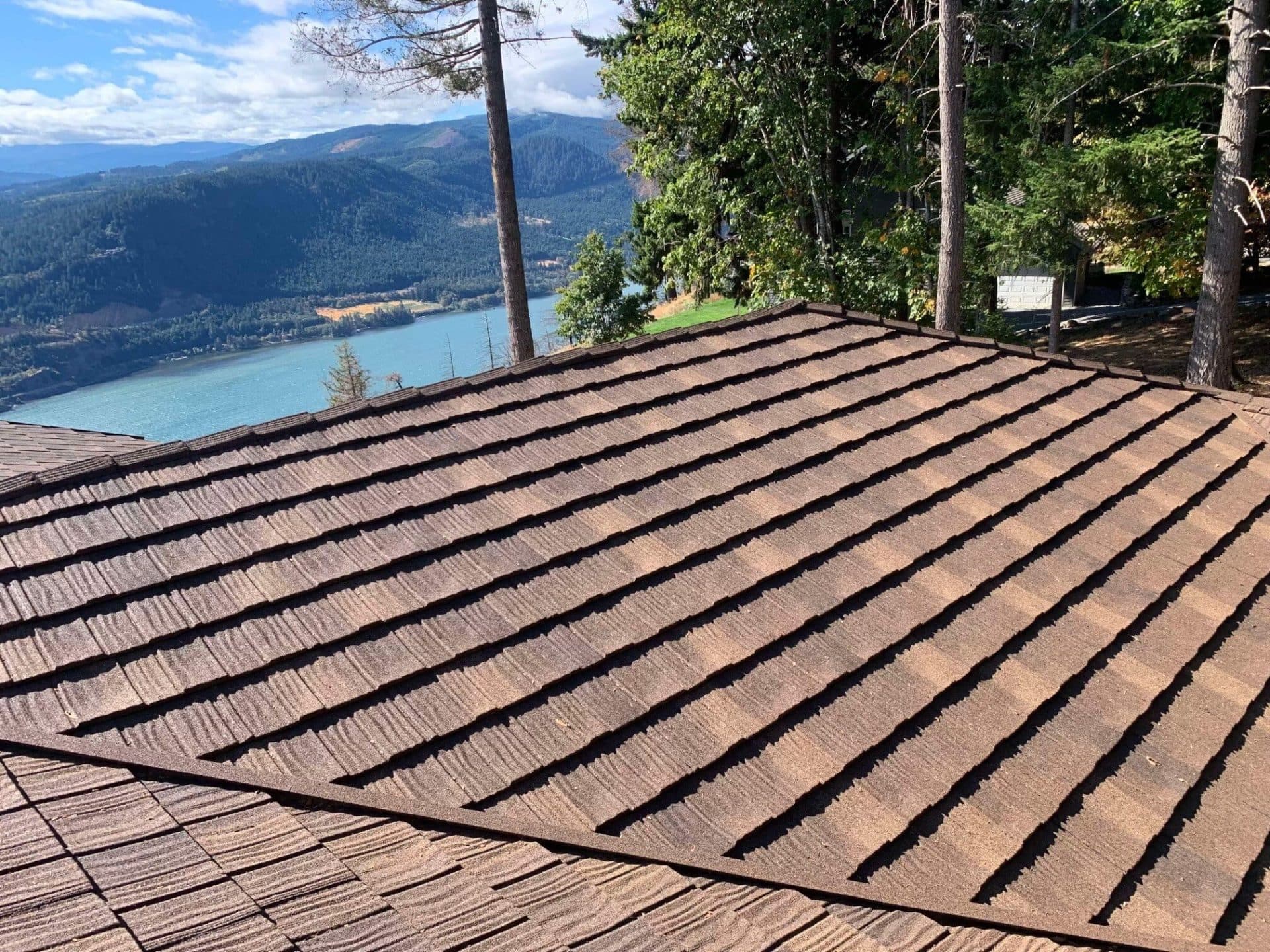
Does Stone Coated Steel Rust? What Colorado Homeowners Should Know
Stone coated steel roofing comes up often when homeowners are comparing long-term roofing options, and one question surfaces almost every time: will it rust? It's a fair thing to wonder. Steel and moisture are not historically friends, and Colorado has no shortage of both snow and rain. The short answer is that a properly manufactured stone coated steel roof is built specifically to resist rust, but the full answer is worth understanding before you make a decision.
How Stone Coated Steel Is Made to Resist Corrosion
The rust resistance in stone coated steel starts with the steel itself. The base material is typically galvanized or Galvalume steel, meaning it's coated with a layer of zinc or a zinc-aluminum alloy before anything else happens to it. That metallic coating acts as a barrier between the steel core and the air and moisture that would otherwise cause oxidation.
On top of that, the panels go through additional layers: a primer coat, an acrylic or stone chip layer embedded into the surface, and a clear acrylic overglaze that locks everything in place. The result is a panel with multiple protective layers, not just a painted piece of metal.
This layered construction is why stone coated steel performs differently than bare or lightly coated metal. The stone chips and acrylic top coat aren't just cosmetic. They add UV resistance and protect the underlying coatings from the wear that would eventually expose raw steel.
Where Rust Can Still Happen
Stone coated steel can rust under certain conditions, even with all those protective layers in place.
The most common points of vulnerability are cut edges and fastener penetrations. When panels are cut during installation, the raw edge of the steel is exposed. A quality installation addresses this with sealants or edge treatments, but if that step is skipped or done poorly, moisture can work into those spots over time.
Fastener holes are similar. If a screw or nail creates a penetration that isn't properly sealed, water can get in and reach the steel. Panels that are physically damaged, whether from impact or foot traffic during installation, can also compromise the coatings in localized areas.
This is one reason installation quality matters as much as product quality with stone coated steel. The material is engineered to resist corrosion, but that engineering depends on the panels being handled and installed correctly.
What Galvanization Actually Does
Galvanization is worth understanding on its own because it's often referenced in marketing materials without much explanation. When steel is galvanized, it's coated with zinc. Zinc corrodes much more slowly than steel, and more importantly, it acts as a sacrificial layer. If moisture does reach the zinc, the zinc oxidizes instead of the steel beneath it. This process, called cathodic protection, means that even minor surface damage doesn't immediately lead to rusting of the base metal.
Galvalume, which uses a zinc-aluminum alloy, improves on standard galvanization by adding aluminum's natural corrosion resistance to the mix. Most premium stone coated steel products use Galvalume as their base for this reason.
Reading the Warranty
Warranties on stone coated steel roofs often include a rust or corrosion warranty, and that document tells you a lot about how much confidence the manufacturer has in their product. A strong corrosion warranty, typically covering the steel substrate for 30 years or more, indicates that the galvanization and coatings are substantial enough that the manufacturer is willing to stand behind them over a long period.
When you're evaluating a product, read that section of the warranty carefully. Look for what conditions void the warranty. Coastal environments, for example, are sometimes excluded because salt air accelerates corrosion significantly. Colorado's Front Range doesn't have that problem, but it's worth confirming that your specific conditions are covered.
Also pay attention to whether the warranty is transferable. A transferable warranty adds value if you sell the home, which matters for long-term financial planning.
What Colorado's Climate Means for Stone Coated Steel
Colorado's Front Range has conditions that are actually well-suited to stone coated steel. The climate here is dry relative to coastal or heavily humid regions, which reduces the baseline corrosion pressure on any metal roofing product. Freeze-thaw cycles are more of a concern than constant moisture, and stone coated steel handles temperature swings well because the panels can flex slightly without cracking.
Hail is the more relevant concern in Colorado. Stone coated steel performs well against hail impact compared to asphalt shingles, and the stone chip surface helps absorb impact energy rather than concentrating it on a flat metal face. That impact resistance is often a bigger selling point for Colorado homeowners than corrosion resistance, though both matter.
UV exposure at higher elevations is also worth noting. Colorado gets significant sun, and the acrylic overglaze on stone coated steel panels is designed to resist UV degradation, which helps maintain both the appearance and the integrity of the protective coatings over time.
The Bottom Line
Stone coated steel does not rust under normal conditions when it's properly manufactured and properly installed. The galvanized or Galvalume base, combined with multiple protective coatings, creates a product that's genuinely built for long-term corrosion resistance. The risk points are real but manageable: cut edges, fastener penetrations, and physical damage all need to be handled correctly during installation. If you're considering this roofing material, understanding those details will help you ask the right questions and evaluate what you're being offered.
For more information about stone coated steel roofing and whether it's the right fit for your home, or to get a sense of how it compares to other roofing options available on the Front Range, those pages are good starting points. The National Roofing Contractors Association also publishes guidance on metal roofing standards that's worth reviewing if you want to go deeper on industry best practices.
Frequently Asked Questions
Will stone coated steel rust in Colorado's snow and ice?
Not under normal conditions. The galvanized or Galvalume steel base is specifically designed to resist corrosion from moisture, including snowmelt and ice. Colorado's climate is relatively dry, which actually reduces the corrosion pressure compared to coastal or humid regions.
How long does the rust protection last?
That depends on the product, but many stone coated steel manufacturers offer corrosion warranties of 30 years or more on the steel substrate. The protective coatings are designed to maintain their integrity over that period under normal conditions and proper installation.
Does stone coated steel rust if a panel gets scratched or dented?
A scratch or dent that only affects the stone chip surface and doesn't cut through the galvanized layer is unlikely to cause rusting, because the zinc coating beneath still provides protection. A deeper impact that damages the galvanization itself is more of a concern and should be inspected and addressed if it occurs.
What should I ask a contractor about rust prevention during installation?
Ask how they handle cut edges and fastener penetrations. Specifically, find out whether they use sealants on cut edges and what type of fasteners they use. Stainless steel or coated fasteners are preferable to bare metal ones. These are details that separate a careful installation from a sloppy one.
Is stone coated steel a good choice if I'm worried about hail damage?
Yes, generally. Stone coated steel tends to hold up well against hail compared to asphalt shingles, which is relevant on Colorado's Front Range where hail is a regular seasonal concern. The stone chip surface and the steel backing together handle impact better than a softer roofing material would.