
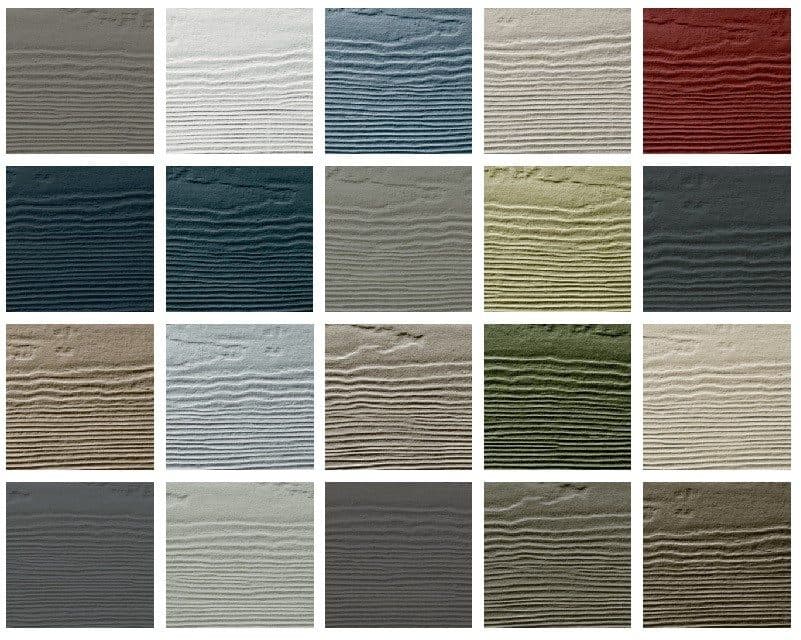
How to Pick Exterior Colors: Helpful Tools
Choosing colors for your home's exterior is one of those decisions that feels simple until you're actually doing it. A color that looks perfect on a screen or a tiny paint chip can look completely different once it's on a full wall in natural light. The good news is that there are tools available to help you work through the decision.
Start With a Visualizer
The most useful starting point for most homeowners is a digital visualizer. James Hardie offers a tool called Hardie Designer that lets you browse their full color and product lineup, see combinations side by side, and explore how different siding profiles look together. You can also access their lookbooks through the same tool, which show real homes in finished color combinations. This gives you a much better sense of how colors actually read at full scale than a color card ever will.
If you're considering James Hardie fiber cement siding for your project, spending time in this tool before your estimate appointment is worthwhile. You'll walk in with a clearer sense of what you like, which makes the whole selection process faster and less stressful.
Order Physical Samples
Digital tools are a great starting point, but they can only take you so far. Monitor calibration, room lighting, and screen brightness all affect how colors look on a screen, so what you see isn't always what you get.
Ordering physical samples and holding them up against your actual house is one of the most reliable things you can do. James Hardie offers samples through their website, and it's worth the small investment of time to get a few options in hand. Hold them up at different times of day, because morning light and afternoon light can make the same color look noticeably different. Check them in shade and in direct sun.
This step is easy to skip, but it's also one of the most common things homeowners wish they'd done before committing.
Look at Real Projects
Color cards and renderings are useful, but photos of finished homes give you a different kind of confidence. Seeing a color on a real house in a real neighborhood helps you evaluate things like how it interacts with brick, stone, or wood accents, how it looks with a darker or lighter roof, and whether the overall combination feels right.
Our project gallery shows completed exterior work from homes across the Front Range. Browsing through it with your own home in mind can help you identify combinations you respond to.
Think About the Fixed Elements First
One of the most practical things you can do before picking a siding color is to identify the elements on your home that aren't changing. Your roof color, any brick or stone, your concrete driveway, and even your landscaping all affect how a siding color reads in context. Choosing a color without accounting for those fixed elements is where a lot of people get tripped up.
Pull together reference photos of your home from the street and note what's staying. Then look for colors that coordinate with those elements rather than compete with them. If your roof is a warm charcoal, for example, a cool blue-gray siding might create more tension than you'd expect in person.
Get Samples on Your Actual House
If you're still not sure after going through the steps above, there's no substitute for seeing a larger sample on your actual home. Some manufacturers offer larger sample boards for exactly this reason. Tape them up on different sides of the house, leave them up for a few days, and check them in different weather conditions, because overcast days and bright sunny days can both shift your read on a color.
Conclusion
Picking exterior colors doesn't have to be a guessing game. Using a combination of digital tools, physical samples, real project photos, and attention to your home's existing fixed elements gives you a much more reliable path to a decision you'll feel confident about. Take your time with this part of the process. Once the material goes up, you'll be looking at it for a long time.
Frequently Asked Questions
How accurate are online color visualizers?
They're a useful starting point, but not a substitute for physical samples. Screen brightness, color calibration, and the way light hits your monitor all affect how colors appear. Use visualizers to narrow down your options, then order samples to confirm before you commit.
How many color samples should I order?
Start with three to five options that you genuinely like. Having too many can make the decision harder, not easier. Once you hold them up against your house, the field usually narrows pretty quickly.
Does it matter what time of day I evaluate color samples?
Yes, it makes a big difference. Natural light shifts throughout the day, and a color that looks warm and neutral in the morning can look much cooler in afternoon shade. Check your samples at multiple times of day before making a final call.
What should I do if I'm still not confident in my color choice?
Schedule a professional estimate. We bring a full set of physical samples to your home and can work with you to create digital renderings of your specific house in different colors and materials. Seeing your own home in a rendering is often what helps people get to a final decision with confidence.
Do I need to coordinate my siding color with my roof?
You don't have to match them, but they do need to work together. Your roof is one of the most visible elements of your home's exterior, so it's worth laying a roof sample and a siding sample side by side before deciding. If your roof has warm undertones, siding with cool undertones can create a clash that's hard to unsee once you notice it.