
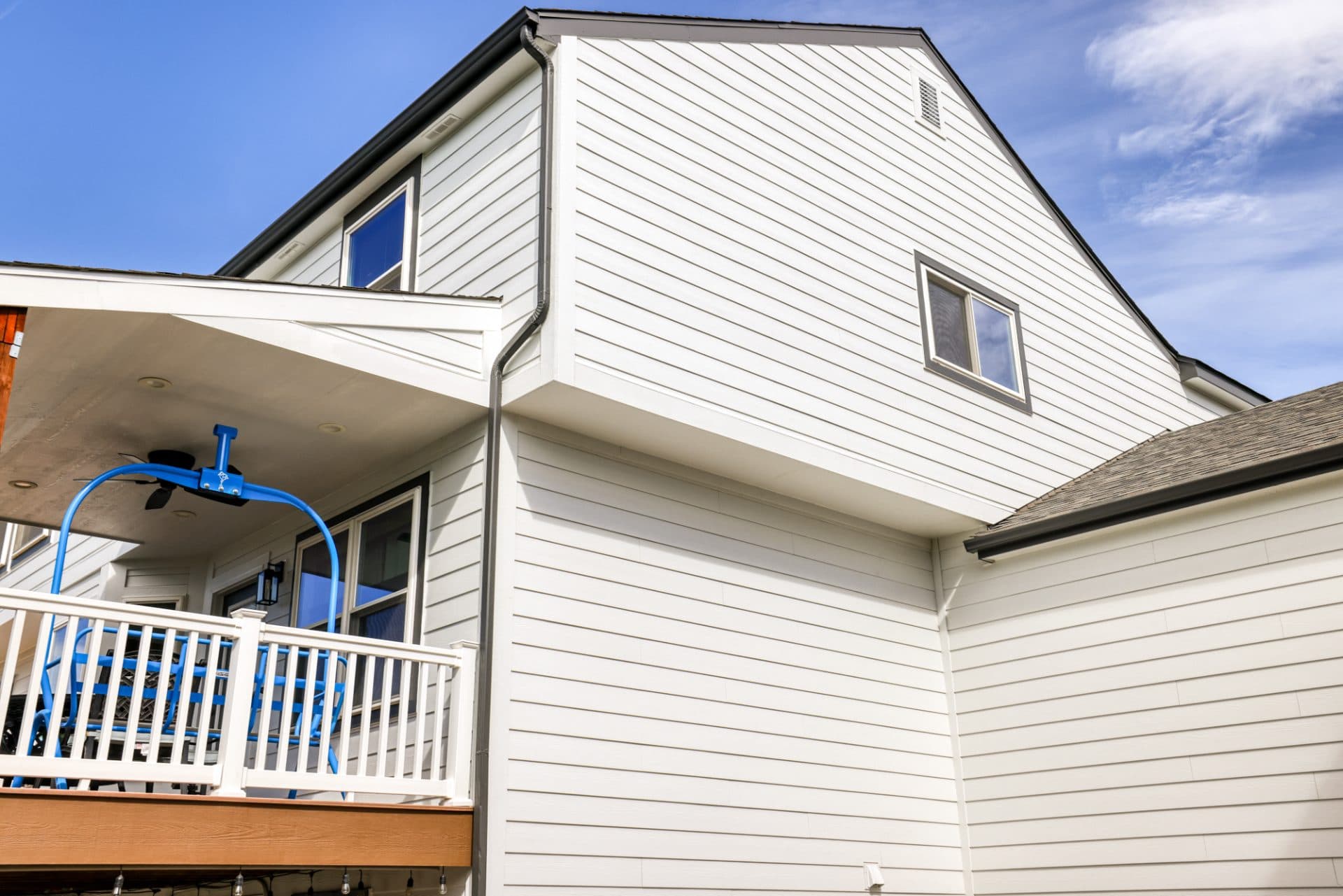
To Repaint or To Reside? How to Decide for Your Home
If your siding is starting to look worn, faded, or generally tired, the first question most homeowners ask is whether a fresh coat of paint will fix it. Sometimes it will. Sometimes it's the wrong move, and you'll spend money on paint only to find yourself back at square one a year or two later. Here's how to make the decision.
Start With the Siding, Not the Surface
Paint is a finish, not a fix. If the underlying siding is in good shape, repainting can absolutely extend its life and refresh the look of your home. But if the material itself is failing, cracking, rotting, or pulling away from the wall, paint won't help any of that.
Before you commit to either path, walk the perimeter of your home and look for a few specific things. Check for warping or buckling panels. Probe any wood-based siding with a screwdriver in areas that look soft or discolored. If the tip goes in without much resistance, you've got rot. Look at the seams and joints where panels meet, where siding meets trim, and around windows and doors. If those areas are separating, cracking, or showing gaps, water is likely getting in. Check inside for water stains on interior walls near the exterior.
If you find any of those issues, paint is not the answer. Replacing the siding is.
If the material is structurally sound and the surface problems are purely cosmetic, like chalking, mild fading, or peeling finish, repainting is worth considering depending on what the siding is made of.
Which Siding Materials Need the Most Repainting
Wood siding needs repainting more often than any other material. Depending on climate and sun exposure, you're typically looking at a repaint every three to seven years. Wood expands and contracts with moisture and temperature, which causes paint to crack and peel. If you have wood siding and it's in good condition, keeping up with the paint schedule is just a regular part of good maintenance. At least you can pick a new color each time if you want!
Engineered wood siding, such as LP SmartSide, comes pre-primed and painted from the factory, but it still needs to be repainted over time. The finish holds up better than raw wood, but it's not maintenance-free. Plan on repainting every eight to ten years under normal conditions.
Which Siding Materials Need the Least Repainting
James Hardie fiber cement siding comes with a factory-applied ColorPlus finish that James Hardie backs with a 15-year finish warranty. In practice, the color holds well for a long time, and when it eventually does fade, repainting is easy because fiber cement accepts paint well.
Steel siding is factory-painted and the finish is durable, but it can be repainted if the color fades significantly over the years. Repainting is less common with steel than with wood-based products.
Which Siding Materials You Shouldn't Paint
Aluminum siding can technically be painted, but it requires careful surface preparation, and adhesion can be a challenge if it's not done correctly. It's not impossible, but it's also not simple, and the results vary.
Vinyl siding can be painted, but there are limitations. You need to use a paint that's specifically formulated for vinyl, and you have to stay with a color that's the same shade or lighter than the original. Painting vinyl a darker color than it was manufactured in can cause it to absorb more heat, warp, and void any remaining warranty. Even done correctly, paint on vinyl doesn't bond the way it does on wood or fiber cement, and it's likely to peel sooner. If your vinyl is significantly faded, chalking badly, or older, residing is often the more cost-effective long-term answer.
How We Can Help
If you've done the walkthrough and you're still not sure whether your siding needs paint or replacement, we're happy to take a look. We work with homeowners across Colorado's Front Range every day and can give you an honest answer about what your siding needs. If siding replacement makes sense, we'll walk you through your material options, including James Hardie fiber cement, engineered wood, and others, so you can make a decision that fits your home and your budget.
The Bottom Line
Good siding that's lost its color is a candidate for repainting. Siding that's failing structurally needs to be replaced, and painting over it will cost you money without solving the problem. Know your material and inspect before you commit.
Frequently Asked Questions
How do I know if my siding is failing or just faded?
The clearest signs of failure are warping, buckling, soft or rotted areas, gaps at seams and joints, and interior water stains near exterior walls. Fading and chalking alone are cosmetic. If you're seeing structural issues alongside the surface wear, replacing the siding is the right move.
Can I paint vinyl siding a darker color to freshen it up?
This is one of the most common mistakes with vinyl. Because vinyl expands and contracts with heat, painting it a darker color than its original shade can cause it to absorb more heat, warp, and fail. If you want to repaint vinyl, stay with the same color or go lighter, and use a paint specifically made for vinyl surfaces.
How long does paint typically last on wood siding?
It depends on your climate, sun exposure, and how well the surface was prepared before painting. In Colorado's climate, with significant UV exposure and temperature swings, three to seven years is a reasonable range before repainting is needed.
Is it worth painting siding that's more than 20 years old?
Age alone isn't the deciding factor, but older siding is more likely to have underlying problems that paint won't fix. If the material is still sound after an inspection, repainting can still extend its life. If it's showing signs of structural wear, putting money into paint on aging siding is rarely the right investment.
What's the advantage of James Hardie siding over repainting older siding repeatedly?
James Hardie fiber cement is a durable, low-maintenance material with a factory finish that's designed to hold color for years. For homeowners who are tired of frequent repaints, it can reduce long-term maintenance significantly. It's also non-combustible, which is a meaningful consideration in Colorado's wildfire-prone environment.