
Why You Should Replace Your Windows and Siding at the Same Time
If you're planning to replace both your windows and siding, doing them together is a good idea, because the sequencing actually affects the quality of the finished installation.
The Way the Two Systems Connect
The window flanges, the housewrap, the trim, and the siding all overlap in a specific order to create a continuous water-resistant barrier. When that system is installed together, every layer can be set in the right sequence from the start.
When you replace windows in an existing siding installation, the installer has to work around what's already there. That sometimes means cutting into finished siding, pulling back courses, or accepting compromises in how the flashing integrates with the surrounding material. None of that is ideal, and some of it can be avoided entirely by doing both projects at once.
Flashing and Water Management Done Right
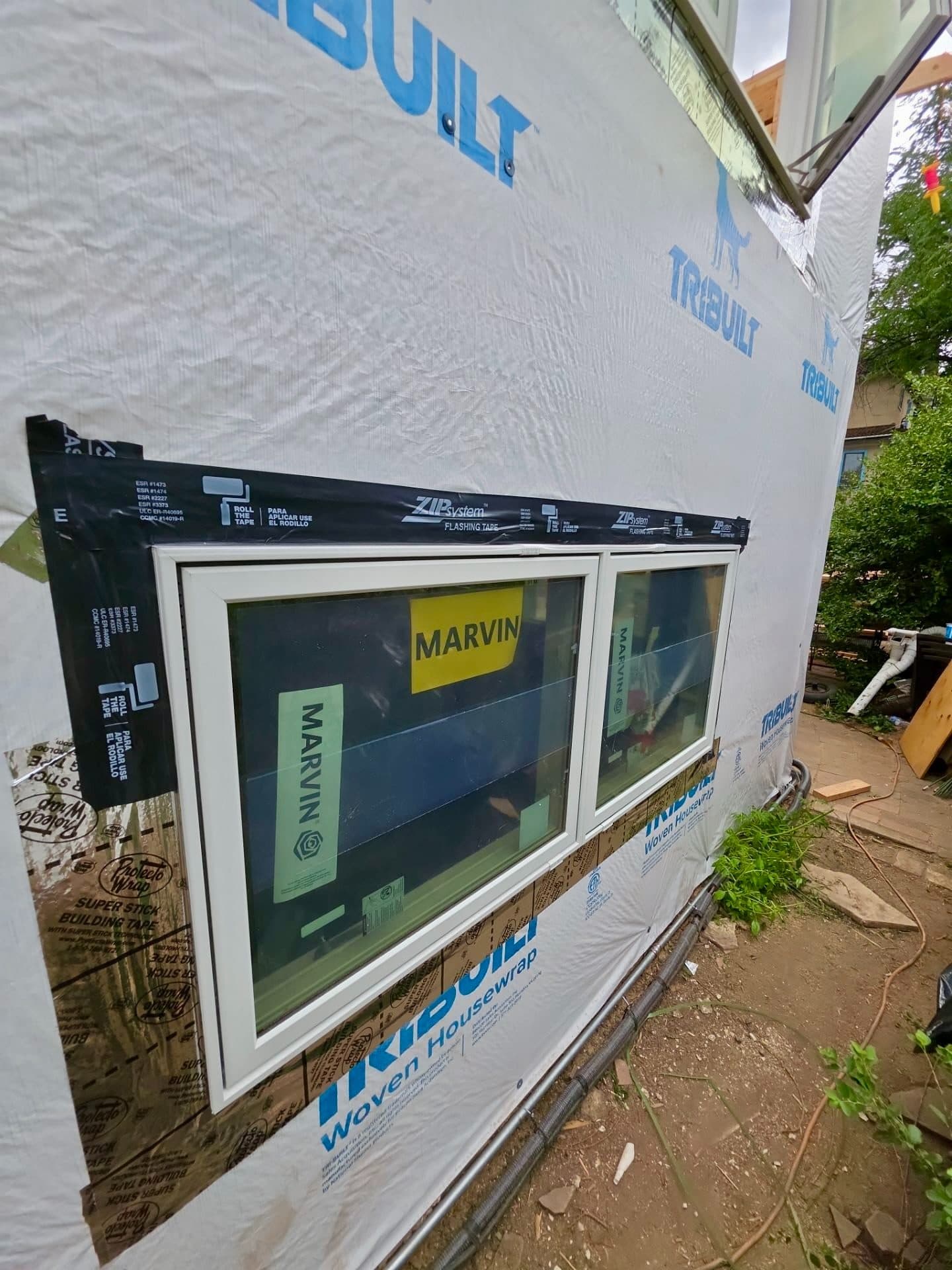
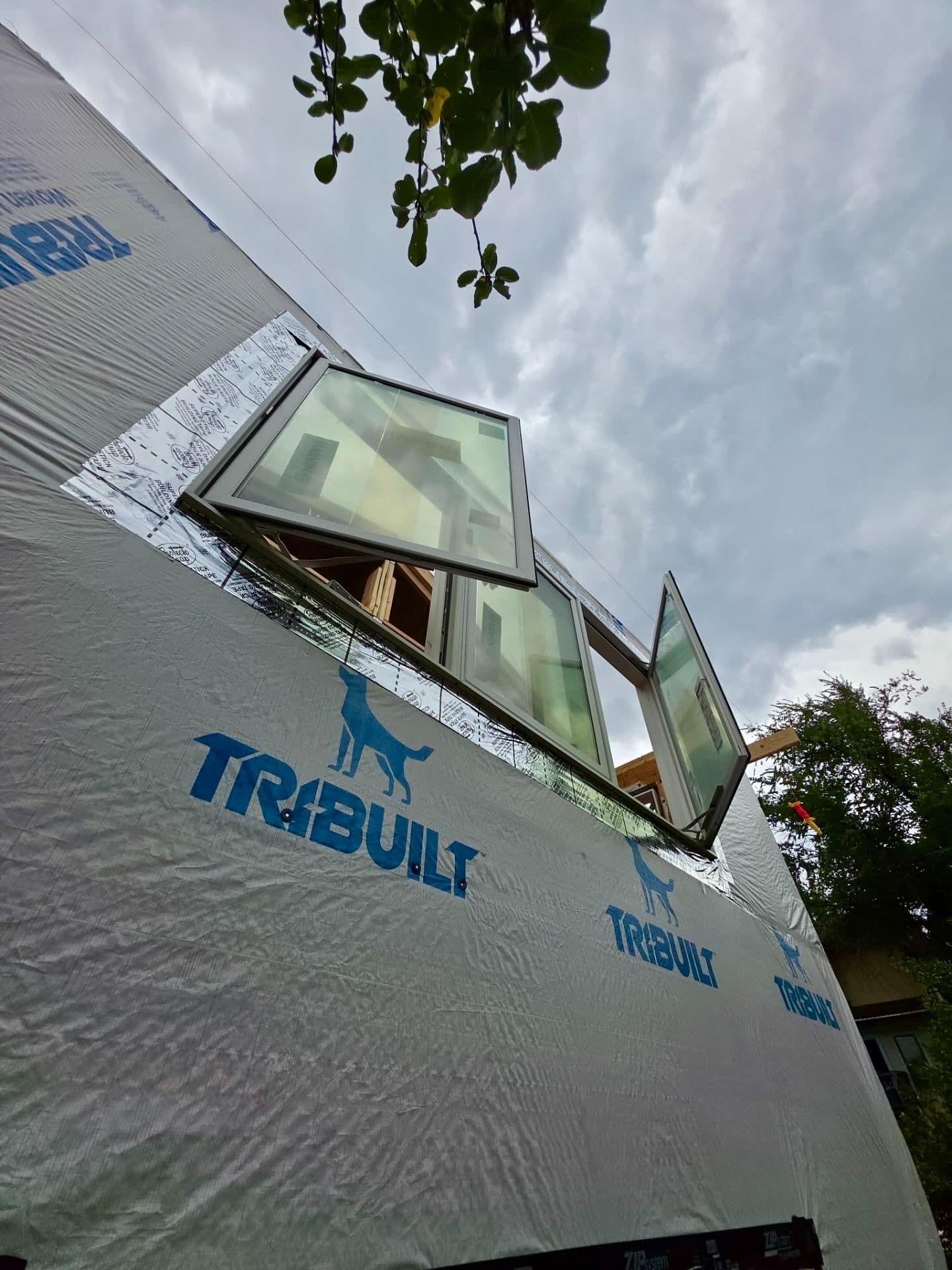
This is the most practical reason to combine the two projects. Proper window flashing - the layered system of membranes and trim that directs water away from the rough opening - works best when it's installed in coordination with the wall assembly. The housewrap laps over the bottom flashing, the siding laps over the housewrap, and water that gets behind the exterior surface has a direct path down and out.
When a window goes into a wall that's already sided, the installer is working backwards through that sequence. It's manageable, but it requires more care and more improvisation. Doing both at once means the flashing and siding can be set in the correct order the first time.
A Cleaner Finished Product
Beyond performance, there's the visible result to consider. When windows and siding are installed together, the trim details, corner returns, and transitions between materials can all be planned and executed as a unified design. The window casing can be sized and set to work with the siding profile you're using.
Retrofitting windows into existing siding often produces fine results, but the trim details are harder to execute cleanly. You're adapting to what's already there rather than building the whole assembly from scratch.
Less Disruption Overall and Lower Cost
Two separate exterior projects mean two separate rounds of scaffolding or ladders, two rounds of debris and cleanup, and two periods of disruption to your household and your landscaping. Combining them saves time and reduces the cumulative impact on your daily life and your yard. It also reduces the cost, because the overhead costs of the two projects get combined into one and there isn't any repeated labor.
Getting the Sequencing Right
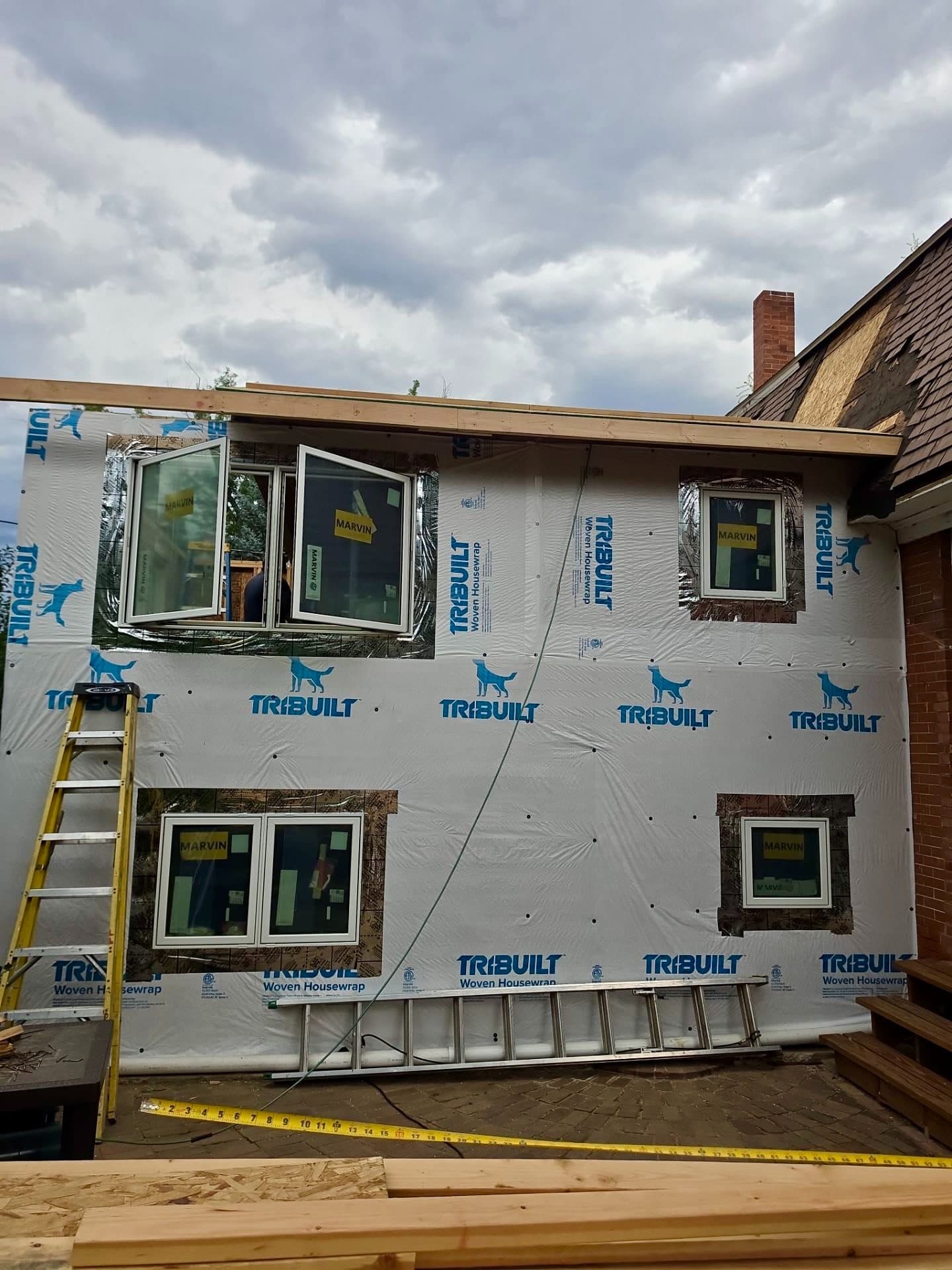
If you do move forward with both projects at once, the general rule is windows first, siding second. The window installation establishes the rough opening, the flashing, and the nailing flange position. The siding then ties into all of that.
This is also why a contractor who handles both scopes under one roof is worth looking for. When one crew or one company is responsible for both the windows and the siding, there's no coordination gap between trades. The person installing the windows knows exactly what the siding installer will need, and the handoff happens smoothly.
The project shown here is currently in progress in Boulder. The new Marvin windows are in, and the siding installation is coming next.
Frequently Asked Questions
Is it cheaper to do windows and siding at the same time?
Combining the work almost always lowers your overall cost compared to scheduling two separate jobs. The total is still higher than doing one project alone - you're paying for two - but mobilization, staging, and setup happen once instead of twice, which trims labor and reduces the price of each project versus tackling them separately.
Can I replace my windows without replacing the siding?
Yes, and it's done regularly. A skilled installer can retrofit windows into existing siding with good results. The tradeoff is that the flashing integration requires more workarounds, and the trim details are harder to execute as cleanly as they would be in a new installation.
What if my siding is fine but my windows need replacing?
If your siding is in good condition and you're not planning to replace it, there's no reason to hold off on the windows. The case for combining the projects applies specifically when you're planning to do both. If siding replacement isn't on your radar, it shouldn't factor into your window timeline.
How do I know if my windows and siding need to be replaced at the same time?
A contractor who works on both can assess this during an in-home consultation. Signs that siding may need attention include moisture damage around window openings, soft or warped material near the frames, or visible gaps in the trim. These often appear together because the window and wall assembly age as a system.
Does the type of siding affect how windows should be installed?
Yes. Different siding materials have different thicknesses and installation methods, which affects how window trim is sized and how the nailing flange sits relative to the finished wall surface. James Hardie fiber cement siding, for example, has specific trim and flashing details that differ from vinyl or engineered wood. When windows and siding are planned together, these details can be coordinated from the start.