Home / Roofing / Hail Damage Restoration
Roofing Services in Denver, CO
Hail Damage Restoration
The Front Range is one of the most active hail corridors in America. When a storm rolls through, you need two things: an honest assessment of what actually got hit, and a contractor who knows how insurance restoration really works.
Hail Damage Restoration in Denver, CO
The morning after a hailstorm, most homeowners are stuck on the same two questions: is my roof actually damaged, and what am I supposed to do now? Hail damage restoration exists to answer both: figuring out what the storm truly hit, then carrying the repair or replacement through your insurance claim from the first inspection to the final dollar released.
The Roofing & Siding Company does this work across Denver and the Front Range week in and week out, handling damage not just to roofs but to siding, gutters, and everything else a storm can reach. Throughout the process, we're working for you, not for your insurance company. If a storm has rolled through your neighborhood, a free inspection is the right first step.
Everything handled
What's included
- Free storm inspection with photo and chalk documentation
- Adjuster meeting on your roof, on your side
- Full scope review so nothing gets missed: roof, siding, gutters, screens
- Insurance-grade replacement with code upgrades included
- Certificate of completion and depreciation recovery paperwork
Straight talk
Worth knowing first
You pick the contractor, not your insurer
Colorado law puts the choice of contractor with you. Never feel pushed toward a preferred vendor.
Beware the storm chasers
Out-of-state crews follow hail maps, collect deductibles, and vanish. Check the address on the truck. Ours says Broadway, Denver.
Deadlines are real
Most policies limit how long you have to file after a storm. If your neighborhood got hit, get inspected now, even if the roof looks fine from the ground.
Simple process
How it works
Free estimate
We inspect, measure, photograph, and give you a detailed written quote. No pressure, no games.
Materials & schedule
Pick your products and colors with honest guidance, then get real dates you can plan around.
Done right
Certified installation, daily communication, full cleanup, and a walkthrough before we call it finished.
Pay over time
Financing up to $100,000 through Upgrade
Terms from 1 to 15 years, with 0% interest promotional options for qualified applicants. Checking your options takes a minute and does not affect your credit score.
What Hail Actually Does to a Roof
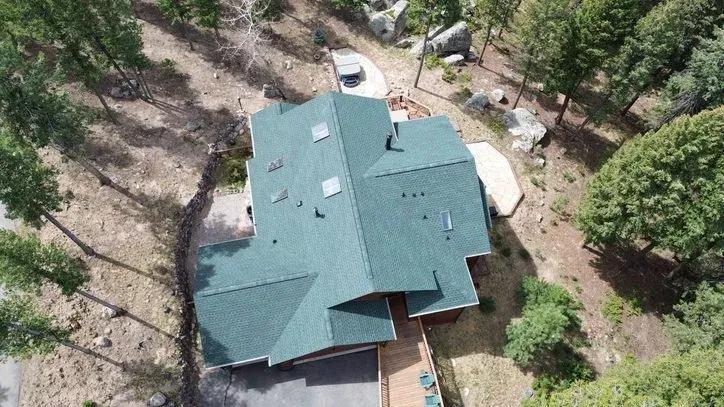
Hail damage isn't always the dented-car kind you can spot in a parking lot. On a roof, the harm is frequently invisible from the ground and easy to underestimate, which is exactly why so much of it sits unaddressed until it becomes a leak. Depending on the material, hail does different things:
Bruising and mat fracture: on shingles, an impact can crack the fiberglass mat beneath the surface — a hidden weak point that fails later even when the shingle looks fine today.
Granule loss: hail knocks the protective granules loose, exposing the asphalt to UV and sharply accelerating the roof's aging.
Denting on metal components: vents, flashing, gutters, and metal roofing take dents that can compromise how they shed water.
Functional versus cosmetic: the pivotal question on any claim is whether the damage shortens the material's life or merely marks it, and telling them apart takes a trained eye.
Understanding ACV, RCV, and Recoverable Depreciation
The most confusing part of a hail claim is how the money actually arrives, and it catches nearly everyone off guard. Most policies are replacement cost value (RCV), but insurers don't hand over the full amount at once.
They first pay the actual cash value (ACV) — the depreciated worth of your aged roof — and hold back the remainder, known as recoverable depreciation. Once the work is finished and documented, they release that held-back portion. So the first check you receive won't cover the whole job, and that's the system working as designed, not a shortfall. Knowing this in advance keeps a lot of homeowners from panicking or quietly underbuilding their roof.
Why Choose The Roofing & Siding Company for Hail Damage Restoration
A hail claim can take weeks to fully close, so you want a contractor who'll still be here when it does. The Roofing & Siding Company has handled hail restoration across Denver and the Front Range, working from our shop in Denver. We're a GAF Certified Plus Contractor, licensed, fully insured, BBB accredited, and a Team Dave Logan member, and we advocate for you through the claim so that nothing the storm actually hit gets left off the scope. We serve Boulder, Littleton, Arvada, Golden, and the surrounding Front Range communities.
Signs Your Home May Have Taken a Hit
The roof hides damage best, but the rest of your property often gives it away. These are the clues you can catch without climbing a ladder:
Dented gutters, downspouts, or metal fascia visible from the ground
Dings on the AC condenser, mailbox, or other soft metal around the yard
Split or pockmarked wood on decks, fences, or window trim
Torn window screens or cracked skylights
Granules pooling at the base of your downspouts
Roofing signs going up around the block — hail is hyper-local, so if your neighbors got hit, you very likely did too
Any one of these is reason enough for a full inspection, since the roof is precisely where the damage is hardest to see.
How a Hail Claim Actually Works, Step by Step
A hail claim has more moving parts than most home projects, but it follows a predictable path once you know the sequence. The costliest mistakes homeowners make — missing deadlines, treating the first check as the final word, or letting the adjuster's scope go unchallenged — nearly all trace back to not knowing what's supposed to happen next.
Here's how the process generally unfolds, and where we step in on your side of the table.
From Inspection to Filing
It starts with a thorough inspection to establish whether real, claimable damage exists — because filing a claim you don't have a case for helps no one. We document what we find with photos and measurements so you can make an informed decision. If the damage warrants it, you file with your carrier, and they assign an adjuster to come assess the property. Having that documentation ready before the adjuster arrives sets the tone for everything that follows.
The Adjuster Visit and Scope Agreement
When the insurance adjuster inspects, the goal is agreement on the full scope of covered damage. Adjusters move fast and cover a lot of properties, so items get missed — a damaged slope, dented gutters, code-required upgrades. When the approved scope doesn't reflect what the storm actually did, that's what a supplement is for: a documented request to add the missed items. We handle that back-and-forth so your scope ends up complete rather than convenient.
Getting the Work Done and Recovering Your Depreciation
Once the scope is approved, we schedule the build and complete it to current code. When it's finished, we submit the completion documentation your insurer needs to release the recoverable depreciation they held back, which closes the financial gap between that first ACV check and the full replacement cost. Your out-of-pocket on a covered claim is generally just your deductible. If a deductible or an upgrade needs to be spread out, financing is available up to $100,000 through Upgrade, with terms from 1 to 15 years and a pre-approval check that won't affect your credit score.
What Not to Do After a Hailstorm
A few avoidable missteps cost homeowners real money and coverage:
Don't take the cash and skip the repair: unaddressed hail damage keeps aging your roof and can complicate or void coverage on a future claim.
Don't let a partial or lowball scope stand: if the adjuster's estimate misses damage, a supplement exists precisely to correct it — you're entitled to a scope that matches reality.
Don't sit on a roof that "looks fine": ground-level appearances hide impact damage, and by the time it surfaces, your window to act may have closed.
Don't assume matching doesn't count: when only part of a roof or siding run is damaged and can't be matched, you may be owed more than a patch.
After Approval: Restore or Upgrade?
Like-for-Like Restoration
The default path: your insurance covers restoring what you had, at replacement cost, once depreciation is recovered. For a lot of homeowners that's exactly right — the same quality roof they started with, paid for by the claim minus the deductible, done correctly this time.
Upgrade While the Roof Is Off
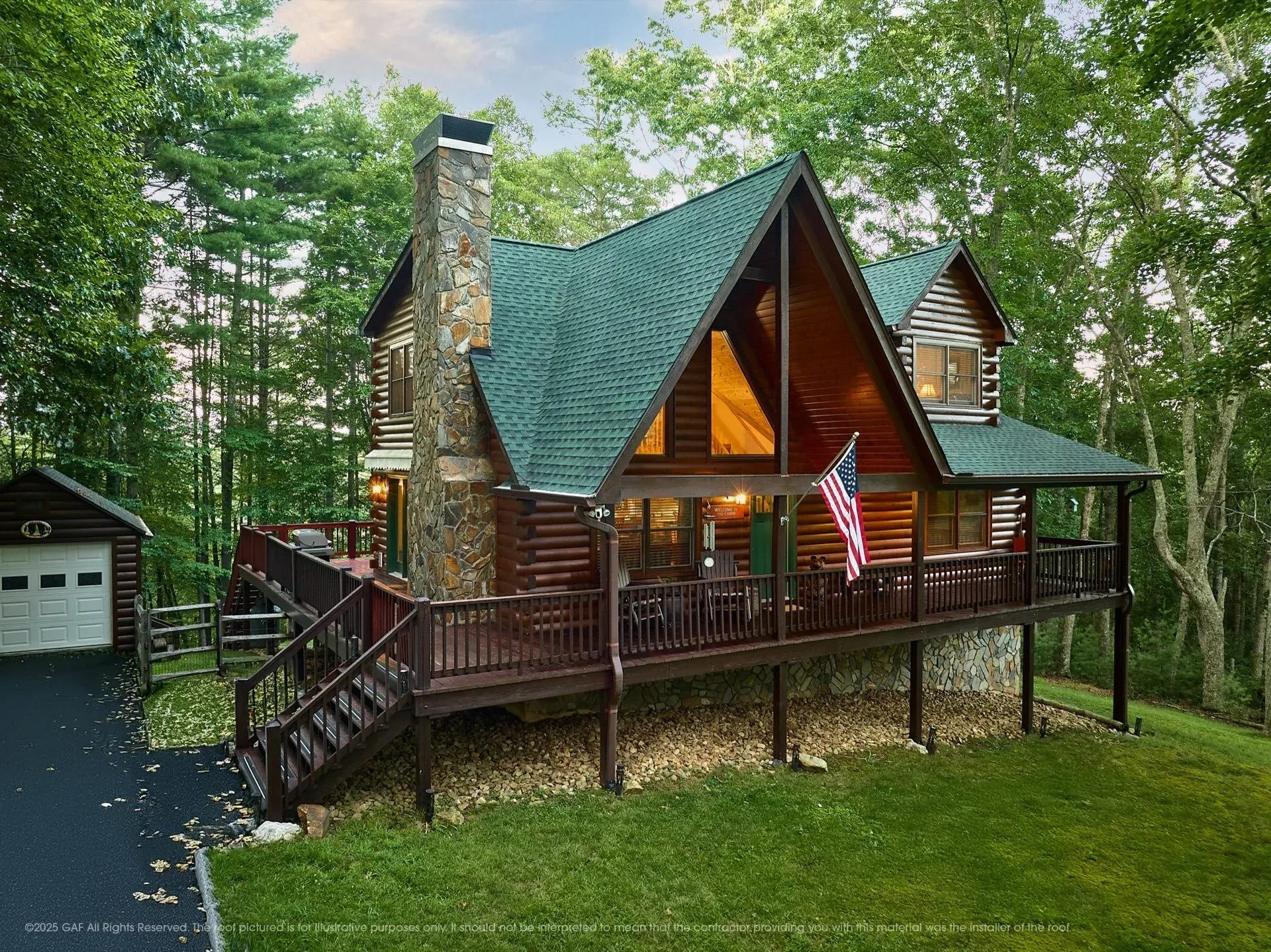
A claim is the ideal moment to step up, since the labor and tear-off are already covered. Many homeowners put the insurance money toward the cost of a tougher roof and pay only the difference to move to an impact-resistant shingle, stone-coated steel, or standing seam metal that may never take hail damage again.
Code Upgrades Are Often Covered
If your policy includes ordinance-and-law coverage, it pays to bring the roof up to current building code during the rebuild — things like added ice-and-water shield or improved ventilation that weren't required when the home was built. It's coverage many homeowners never realize they're entitled to, and we make sure it's on the table.
Hail Damage Restoration
Frequently asked questions
How do I know if my roof has hail damage?
From the ground, you often cannot. Bruised shingles, cracked mats, and dented vents show up on close inspection. We inspect for free and show you photos of exactly what we find.
Will my insurance rates go up if I file a claim?
Hail claims in Colorado are typically treated as acts of God and are not rated against you individually, though carriers adjust regional pricing. We can walk you through what to expect.
Is it illegal for a roofer to cover my deductible?
Yes, in Colorado that practice is against the law, and any contractor offering it is telling you exactly how they do business.




Finding a good contractor
shouldn't be hard
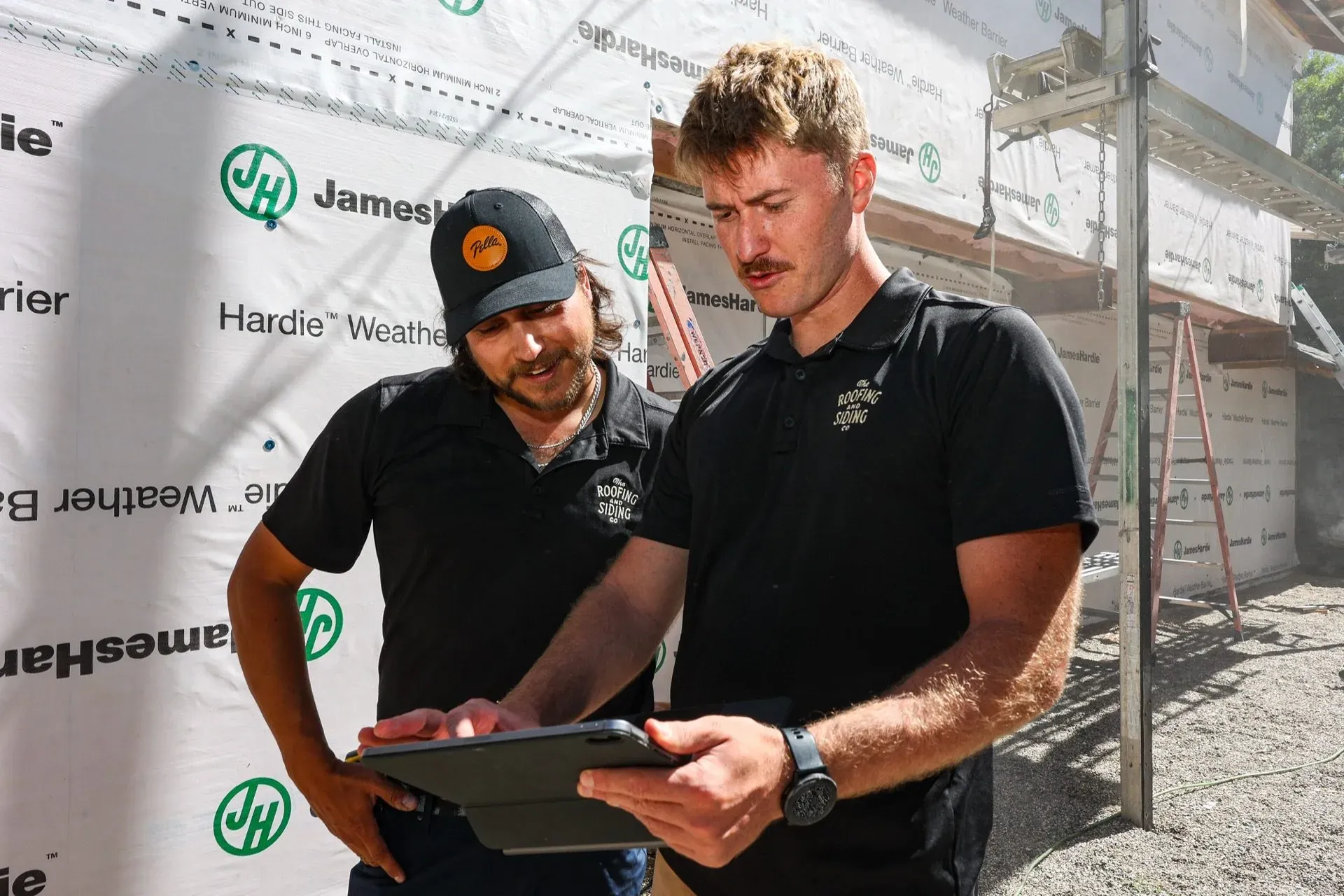
Living with a damaged roof or failing siding is stressful enough. But often, the 'fix' feels worse than the problem. The last thing you need is a pushy salesman trying to rip you off or a disorganized crew that you're forced to babysit because they won't communicate.
That's why we focus on making this process easy for you. Our professional team will provide the high-quality results you expect while keeping you informed every step of the way. Homeowners rate us 5 stars because we treat you and your property with the care you deserve.
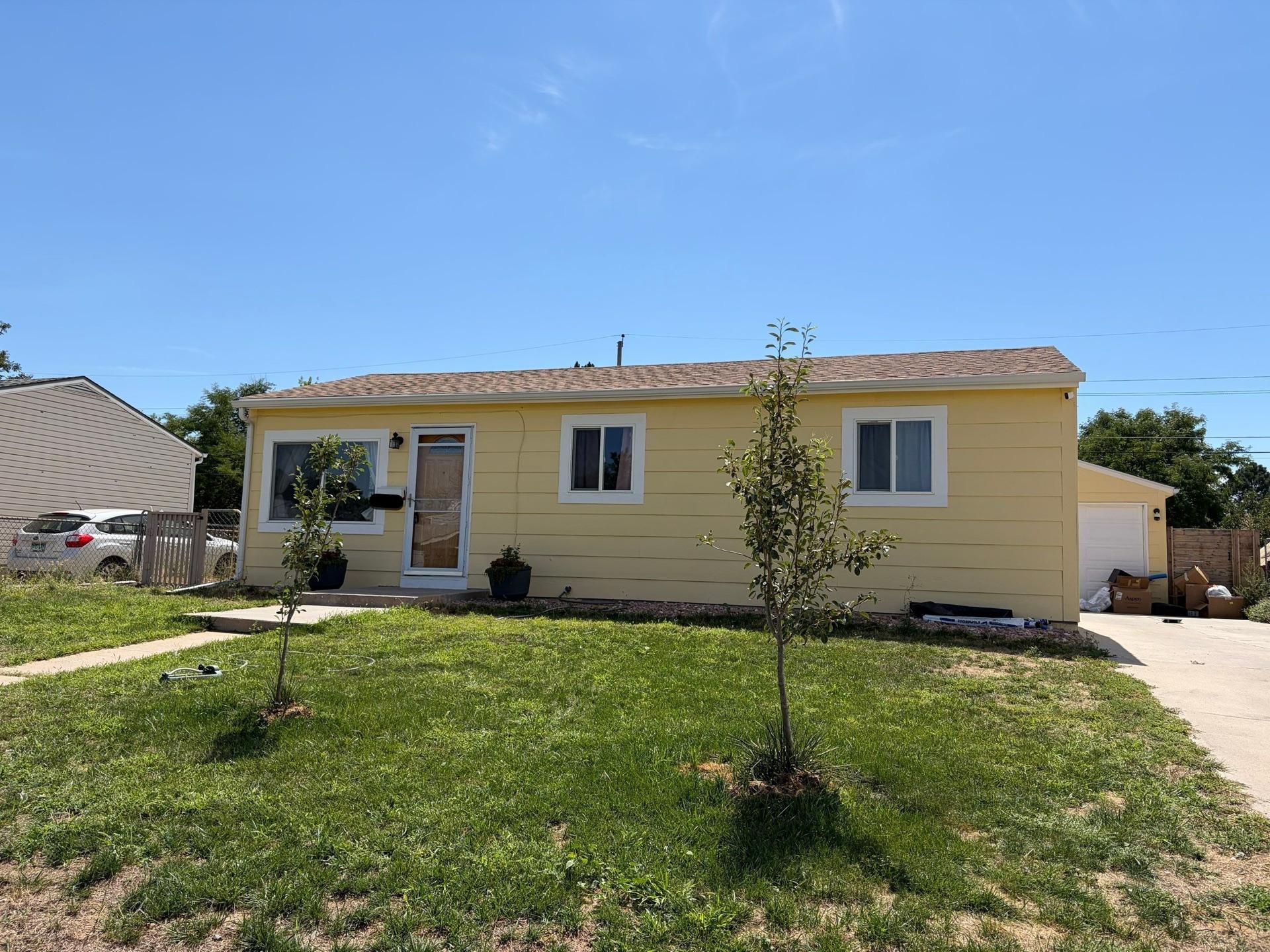
Every roof leaves our hands storm-ready.
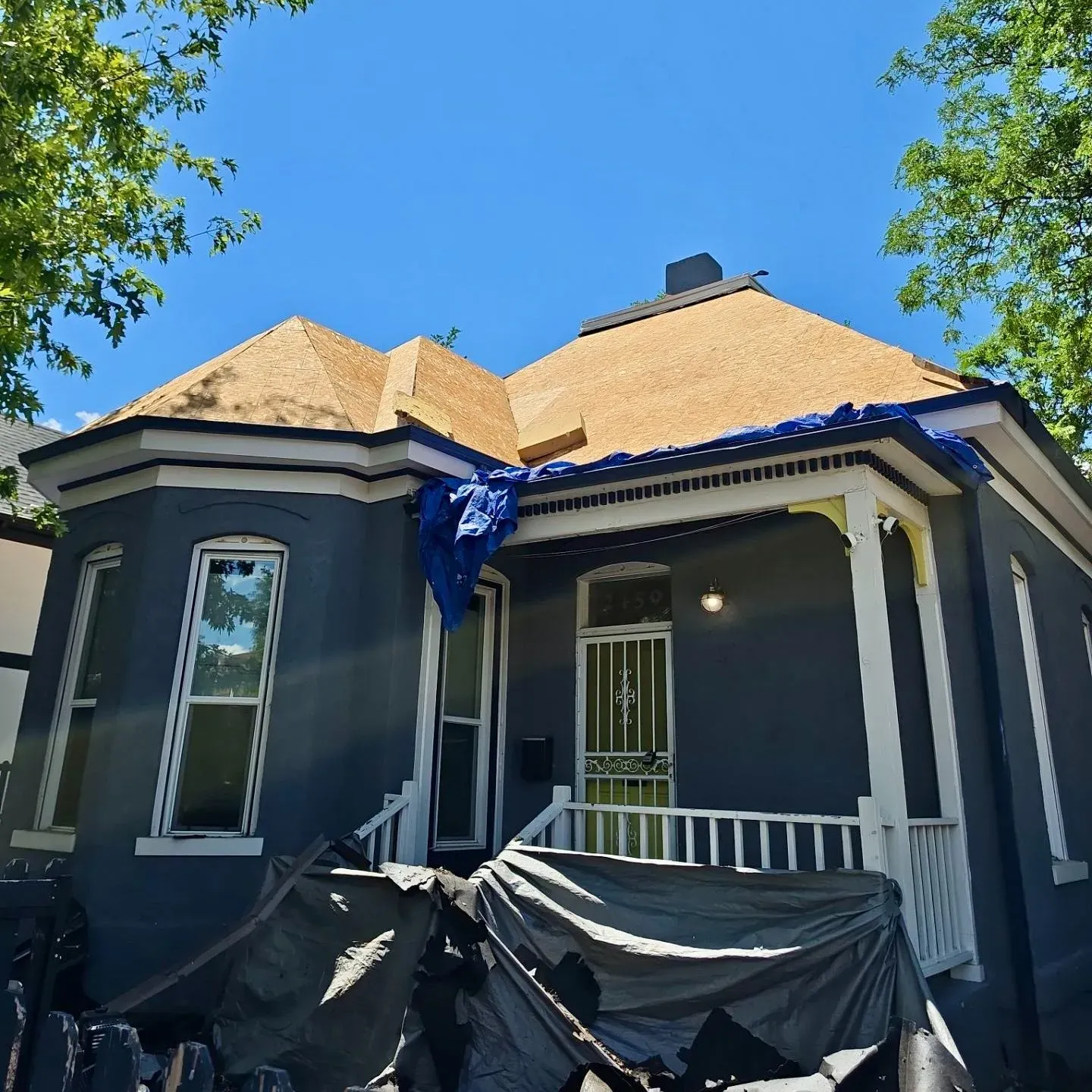
Shingle and steel, detailed to the inch.
Elite means vetted
A James Hardie
Alliance Elite Contractor
Factory-trained, quality-audited, and backed by the #1 name in fiber cement siding. When James Hardie puts their badge on our work, you can put your trust in it.
Explore James Hardie Siding