Home / Siding / Engineered Wood Siding
Siding Services in Denver, CO
Engineered Wood Siding
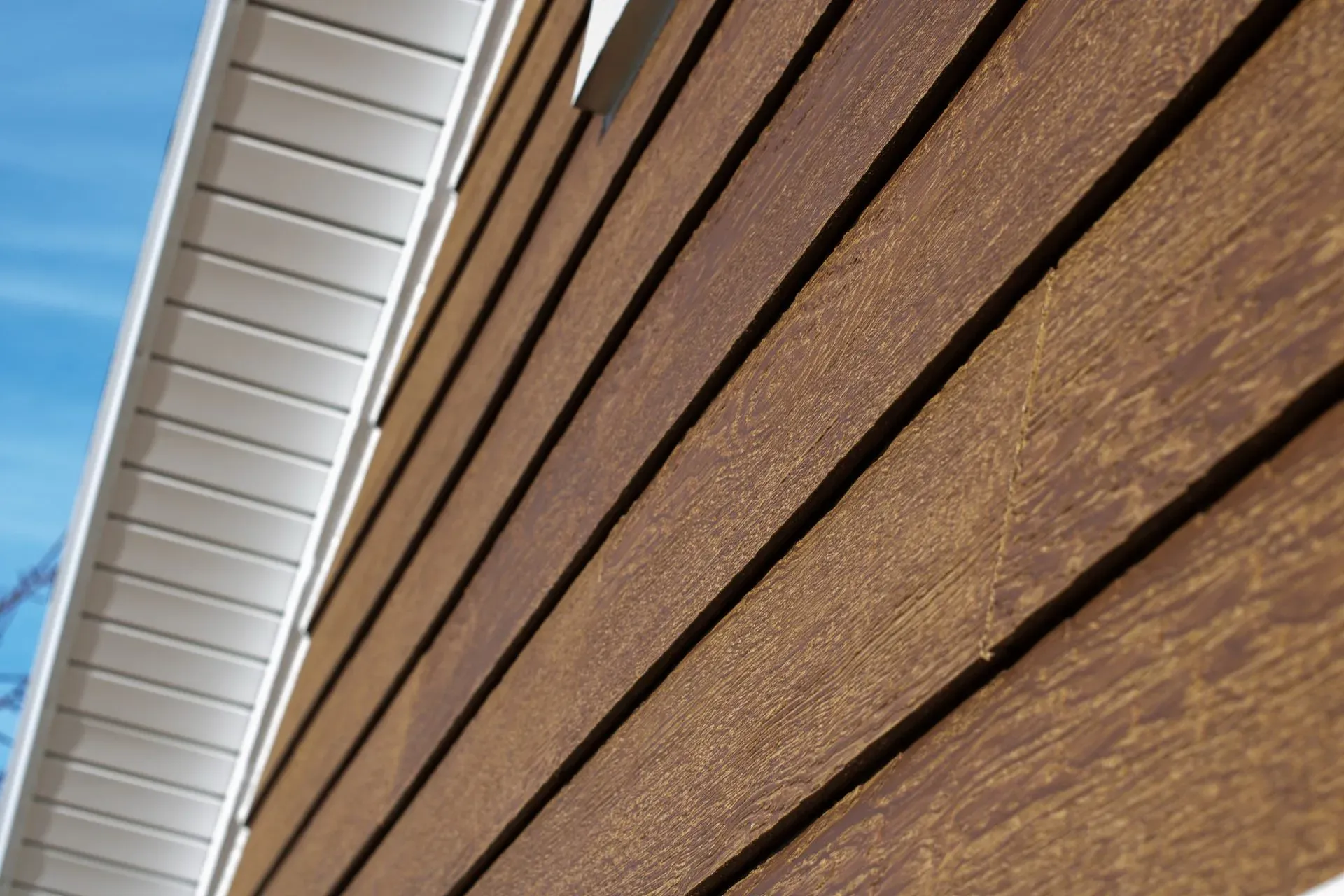
LP SmartSide gives you the warm grain of cedar with treated engineered strand underneath. It installs beautifully, takes paint like a dream, and carries one of the best warranties in siding. We are an LP preferred contractor.
Engineered Wood Siding in Denver, CO
For homeowners who love the look of cedar but not the endless upkeep it demands, engineered wood is often the answer. It's a manufactured siding — real wood fibers bonded with resins and treated against moisture, decay, and insects — built to deliver the warmth of natural wood without its structural weak points. The Roofing & Siding Company installs it, primarily LP SmartSide, on homes across Denver and the Front Range, and it's become one of our most-requested materials among the full range of siding services we offer. There's real nuance to installing it correctly, and we're glad to walk you through all of it. Schedule a free estimate whenever you'd like a closer look.
Everything handled
What's included
- LP SmartSide preferred contractor installation
- Lap, panel, and board and batten profiles
- Treated engineered wood, resistant to rot, termites, and impact
- Full trim and accessory system
- 50-year limited manufacturer warranty registration
Straight talk
Worth knowing first
Tougher than it looks
SmartSide's strand substrate takes hail impact better than fiber cement in many tests, with far less cracking.
Lighter means cleaner installs
Easier handling than fiber cement means tighter joints and better detail work on complex homes.
Paint cycle is real wood-like
Expect repainting on roughly a 10 to 15 year cycle, same as any painted wood look.
Simple process
How it works
Free estimate
We inspect, measure, photograph, and give you a detailed written quote. No pressure, no games.
Materials & schedule
Pick your products and colors with honest guidance, then get real dates you can plan around.
Done right
Certified installation, daily communication, full cleanup, and a walkthrough before we call it finished.
Pay over time
Financing up to $100,000 through Upgrade
Terms from 1 to 15 years, with 0% interest promotional options for qualified applicants. Checking your options takes a minute and does not affect your credit score.
What Engineered Wood Siding Actually Is
"Engineered wood" sounds like marketing, but it describes a genuine manufacturing process that solves the problems solid wood has always had. Rather than milling a board straight from a log — knots, weak grain, and all — engineered wood is built from wood fibers and strands that are sorted, treated, and reassembled into a stronger, more consistent product. A typical LP SmartSide board is made from:
Wood strands from fast-growing species, bonded under heat and pressure into a dense, uniform substrate
Zinc borate worked all the way through the material, giving it built-in resistance to fungal decay and insects
A resin binder and wax that sharply limit how much water the board can absorb
A primed, resin-saturated surface engineered specifically to hold paint
The result is a board with the character of natural wood and none of its structural weak points.
Engineered Wood vs. Natural Cedar
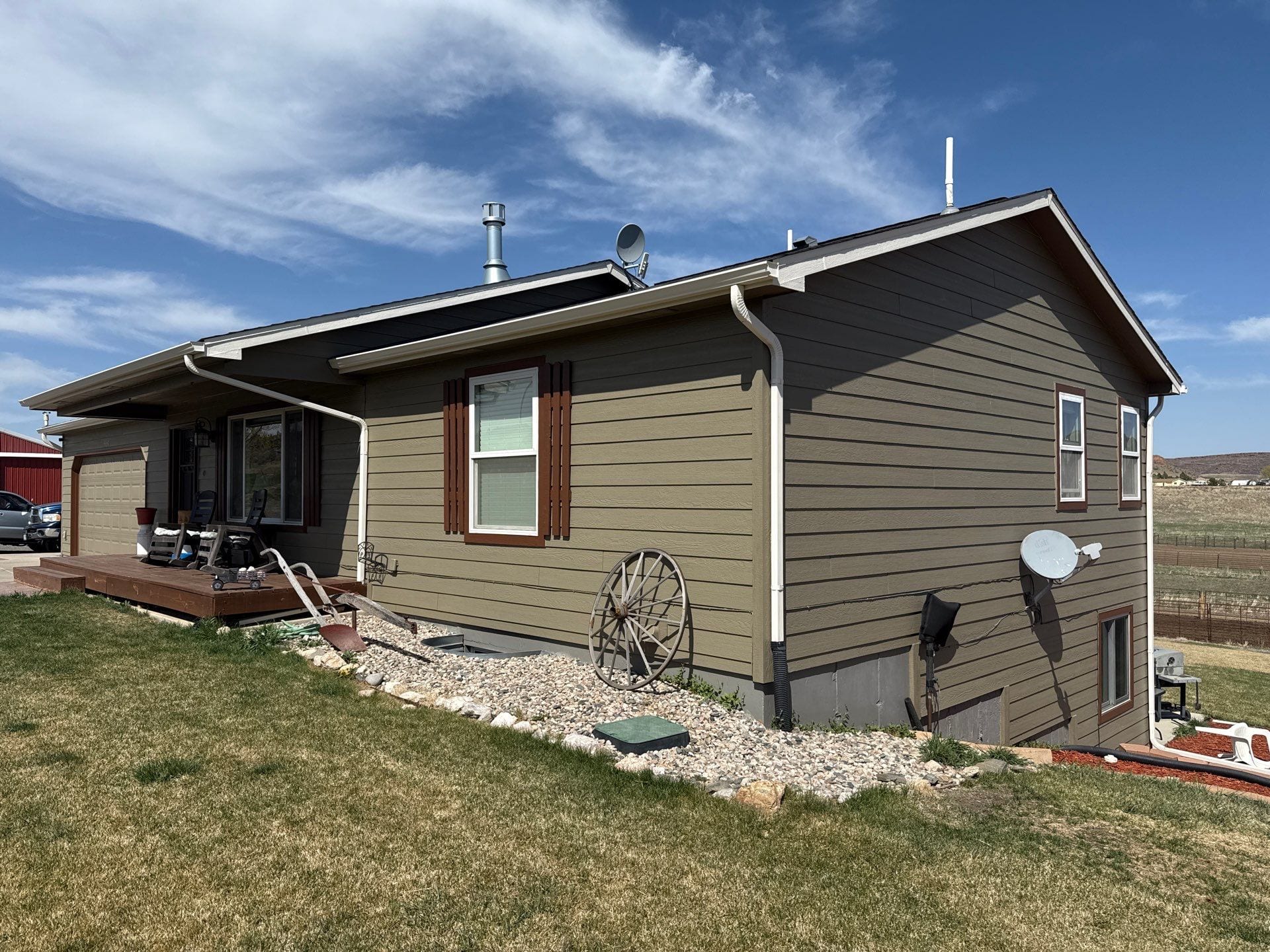
The honest comparison for engineered wood isn't against fiber cement — it's against the natural cedar it usually replaces. Real cedar is beautiful, but every board is a gamble: knots, inconsistent grain, and a tendency to cup, split, and warp as Colorado's humidity and temperature swing through the year. It also demands frequent sealing and carries a premium price. Engineered wood delivers the same warm, painted-wood appearance with none of that variability — every board is straight, stable, and treated identically. For homeowners who love the cedar look but not the babysitting, it's usually the smarter version of the same idea.
Why Choose The Roofing & Siding Company for Engineered Wood Siding
Engineered wood rewards a careful installer, and The Roofing & Siding Company has been that installer across Denver and the Front Range. As an LP SmartSide Preferred Contractor and James Hardie Alliance Elite Contractor, we're factory-trained on the products we install and audited on the quality of our work — which is what keeps your material warranty intact. We're licensed, fully insured, BBB accredited, and a Team Dave Logan member, working from our shop at 6145 Broadway in Denver and serving Boulder, Littleton, Arvada, Golden, and beyond.
Is Engineered Wood the Right Fit for Your Home?
Engineered wood isn't the answer for every house, but it's the ideal answer for several. It tends to be the right call when:
You want the warmth of a real painted-wood exterior without the upkeep natural wood demands
You're building or updating a farmhouse, craftsman, or modern home with a lot of trim and detail
Your home has intricate gables, dormers, or curves where a lighter, workable board produces cleaner results
You want a durable exterior in hail country without stepping up to the cost of steel
You expect to change your home's color someday and want a fully paintable surface
If a few of those describe your project, engineered wood is worth a serious look. If they don't, we'll tell you honestly which material fits better.
Getting Engineered Wood Right: The Details That Protect It
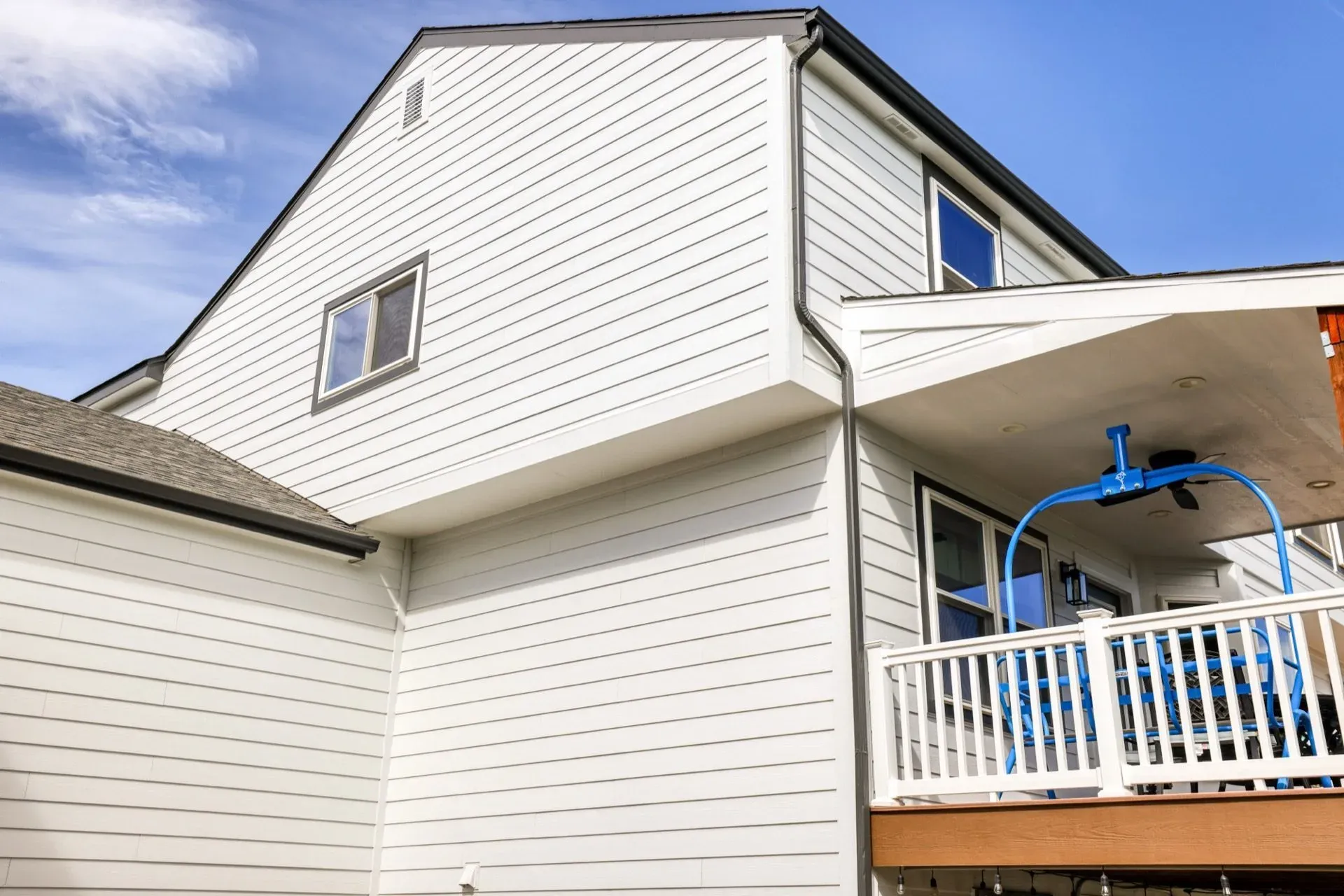
Engineered wood is forgiving to handle and unforgiving about shortcuts. The same manufacturer requirements that make LP SmartSide perform for decades are the ones a rushed crew is tempted to skip — and skipping them doesn't just risk premature failure, it can void the warranty you paid for. Done to spec, the material is exceptional. Done carelessly, even the best board underperforms.
The finish matters as much as the fastening. Engineered wood arrives ready for paint, but the coating is what seals the surface against Colorado's UV and moisture, so how and when it's painted has a direct effect on how long it lasts. Below are the details we never cut.
Ground Clearance and Moisture Details
LP SmartSide has specific installation requirements that exist for one reason — keeping water away from the board's edges and back. We maintain the required clearance between siding and soil, mulch, and hard surfaces so ground moisture can't wick up into the material. We keep proper gaps above roof lines and decks, flash horizontal joints, and seal every field-cut edge, because a cut end is the one spot where the factory treatment needs a hand. These aren't upgrades; they're the baseline the warranty assumes, and they're exactly where corner-cutting shows up years later.
Primed for Paint vs. Factory Pre-Finished
You have two finishing routes. Standard SmartSide comes primed, and we paint it on site after installation, which lets you choose any color and get a seamless, fully coated surface including the cut edges. LP also offers pre-finished options with color applied at the factory, which can mean a more controlled finish and faster completion, at a higher material cost and a more limited palette. Neither is universally better — it depends on your color plans, timeline, and budget, and we'll lay out both so you can pick with the full picture in front of you.
Cost and Financing for Engineered Wood
Engineered wood typically lands in the middle-to-upper range for siding — more than vinyl, generally less than fiber cement or steel — which is a big part of its appeal: a premium, real-wood look at a mid-tier price. Your actual number depends on your home's size, the profile and finish you choose, and how much prep the walls need. You'll get an itemized written estimate before anything begins, and for larger projects we offer financing up to $100,000 through Upgrade, with terms from 1 to 15 years and a pre-approval check that won't affect your credit score.
Caring for Engineered Wood Siding In Denver
Engineered wood asks very little, but a little goes a long way toward reaching its full lifespan:
Keep clearance clear: don't let soil, mulch, or new landscaping creep up against the siding, and keep sprinklers from spraying it directly.
Watch the caulk: inspect sealant at joints and penetrations every year or two and refresh it before gaps open.
Repaint when it dulls: a quality repaint once the finish starts to fade protects the surface and refreshes the whole home at once.
Wash it annually: a gentle rinse removes the dust, pollen, and grime that hold moisture against the surface.
None of this is demanding, and we're glad to walk you through it after installation.
What Makes Engineered Wood Different
Real Wood, Not an Imitation
Engineered wood is made from actual wood fiber, so it carries a depth and warmth that plastic-based products only imitate. Because it uses fast-growing species and far more of each log than select-cut lumber, it's also a more resource-efficient way to get an authentic wood exterior.
Treated All the Way Through
The zinc borate that fends off decay and insects is integrated into the strand during manufacturing, not sprayed on at the end. The protection runs through the entire board — and when we seal the cut edges on site, your trim and every joint carry that same defense.
Built to Take Color
The engineered surface is designed for paint to grip and hold, which means a wide palette and crisp, even coverage. It also means your home isn't locked into one color forever — when you're ready for a new look, engineered wood can simply be repainted.
Engineered Wood Siding
Frequently asked questions
Is engineered wood siding durable in hail?
Yes. LP SmartSide is one of the most impact-resistant sidings made, which is a big part of why we recommend it along the Front Range.
How does LP SmartSide compare to James Hardie?
Both are excellent. SmartSide is lighter, slightly warmer looking, and very impact resistant. Hardie is non-combustible and holds factory color longer. We install both and will give you the honest tradeoffs for your home.
What warranty comes with LP SmartSide?
A 50-year limited warranty on the substrate, prorated after year five, plus workmanship coverage from us.



Finding a good contractor
shouldn't be hard
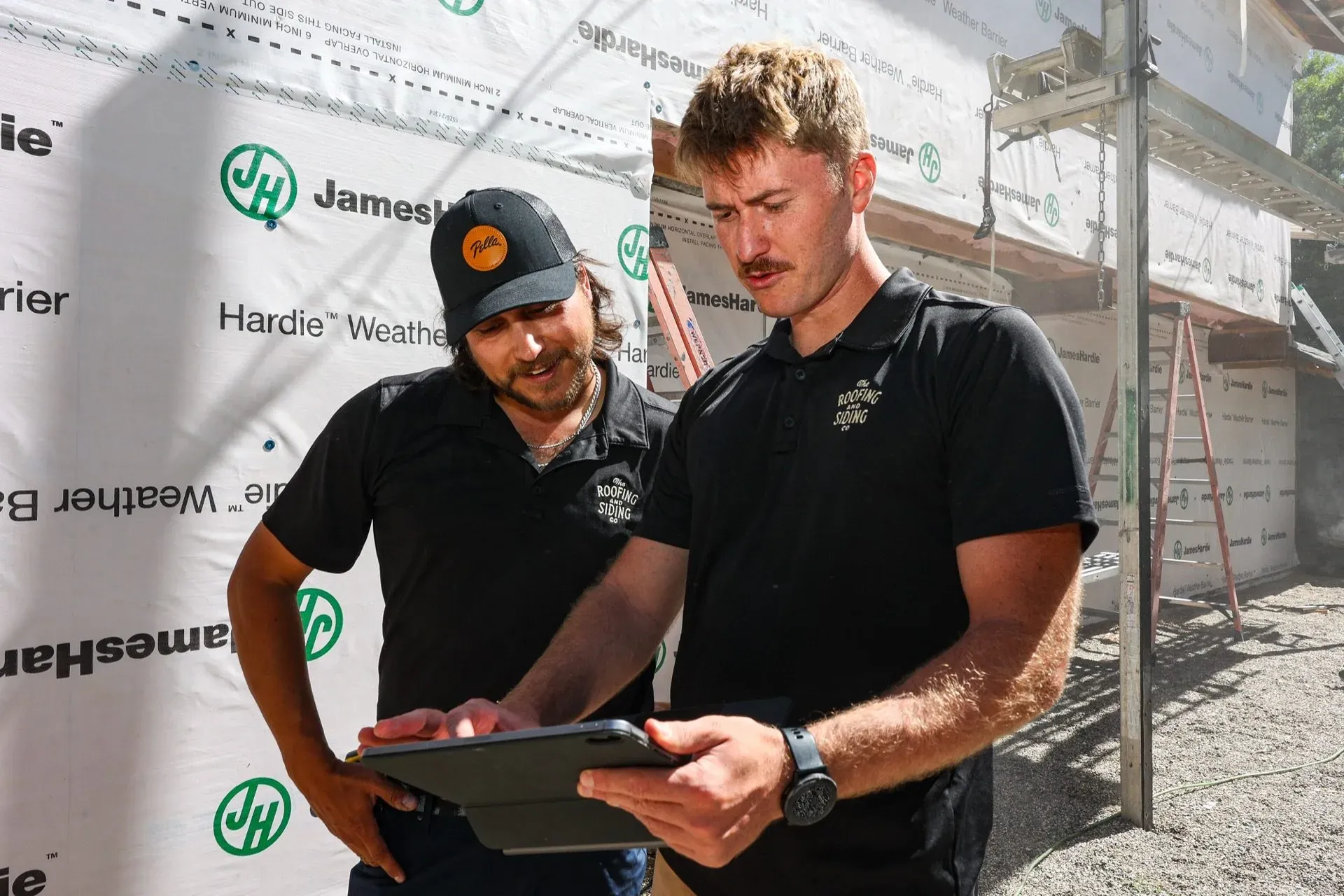
Living with a damaged roof or failing siding is stressful enough. But often, the 'fix' feels worse than the problem. The last thing you need is a pushy salesman trying to rip you off or a disorganized crew that you're forced to babysit because they won't communicate.
That's why we focus on making this process easy for you. Our professional team will provide the high-quality results you expect while keeping you informed every step of the way. Homeowners rate us 5 stars because we treat you and your property with the care you deserve.
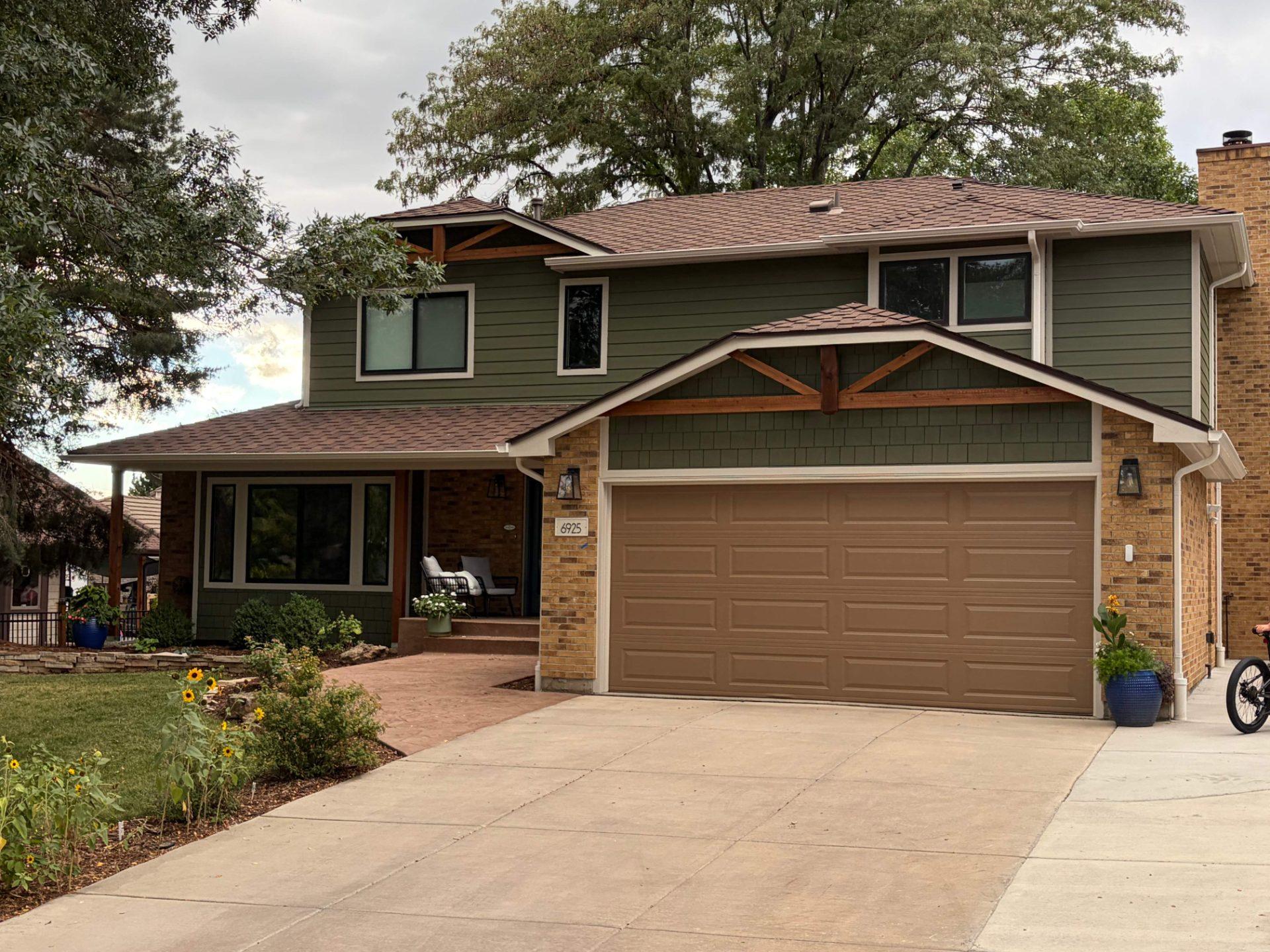
Bold looks that shrug off Colorado weather.
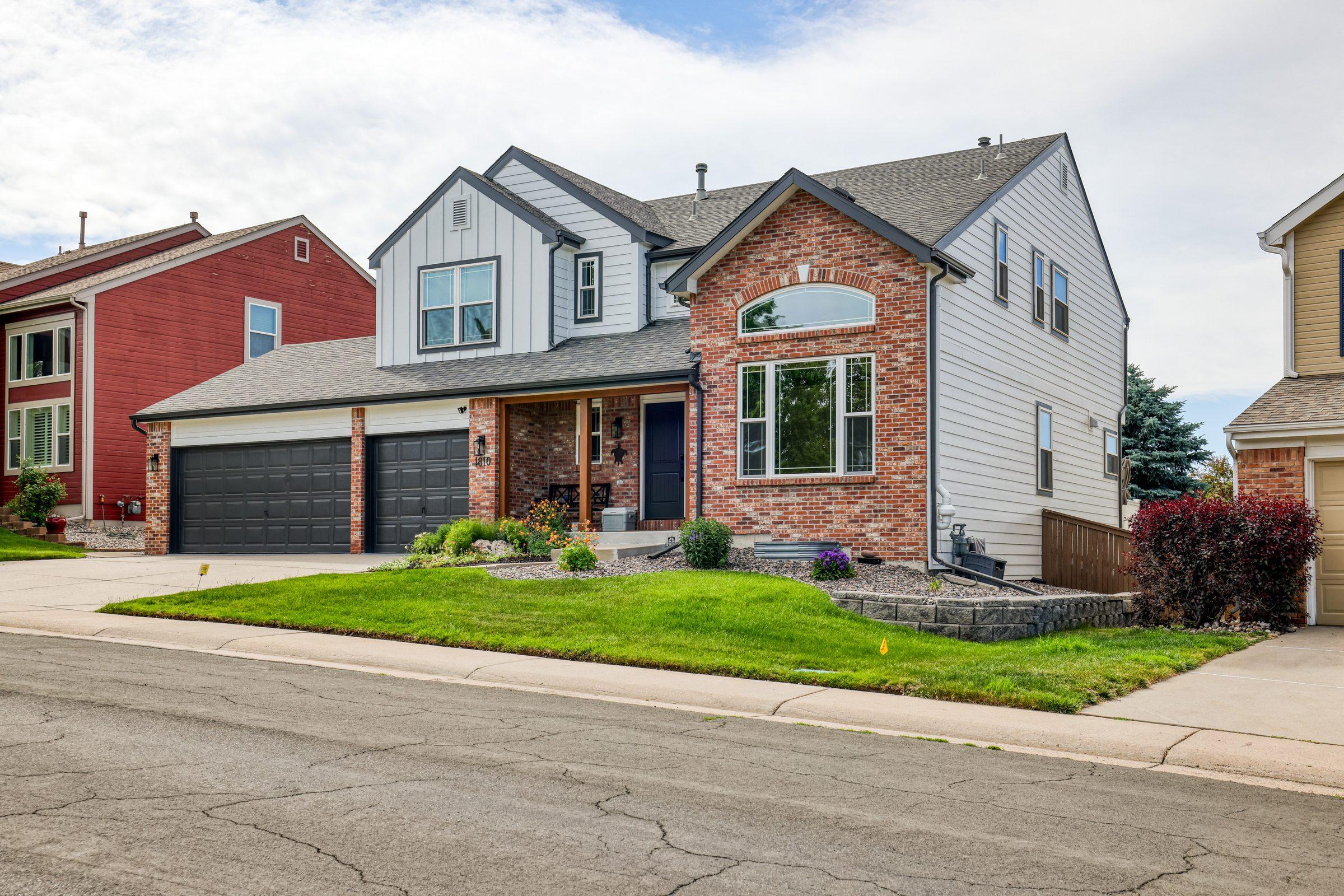
Lap and board-and-batten, done right.
Elite means vetted
A James Hardie
Alliance Elite Contractor
Factory-trained, quality-audited, and backed by the #1 name in fiber cement siding. When James Hardie puts their badge on our work, you can put your trust in it.
Explore James Hardie Siding