Aluminum Siding in Denver, CO
Aluminum siding had its heyday decades ago, and yet it still clings to thousands of metro homes that were supposed to have replaced it by now — a quiet testament to a material most contractors have forgotten how to work with. The Roofing & Siding Company hasn't, handling aluminum repair, matching, and replacement for homeowners across Denver and the Front Range as part of our full range of siding services. If your home wears original aluminum, the smartest move is often not the one a salesman would push. We'll give you a straight read on what you've got and what's genuinely worth doing about it, and a free estimate is the easiest place to start.
Everything handled
What's included
- Modern aluminum lap and panel systems
- Full trim, soffit, and fascia in matching finishes
- Repairs and matching for existing aluminum-sided homes
- Honest guidance on aluminum versus steel for your home
Straight talk
Worth knowing first
Great for repairs and matches
Thousands of metro Denver homes wear mid-century aluminum. We repair and match it rather than forcing a full replacement.
Softer than steel
Aluminum dents more easily in hail. In the hail alley, we often steer new installs toward steel.
Zero rust, ever
For moisture-exposed details and older homes, aluminum's corrosion immunity still earns its keep.
Simple process
How it works
Free estimate
We inspect, measure, photograph, and give you a detailed written quote. No pressure, no games.
Materials & schedule
Pick your products and colors with honest guidance, then get real dates you can plan around.
Done right
Certified installation, daily communication, full cleanup, and a walkthrough before we call it finished.
Pay over time
Financing up to $100,000 through Upgrade
Terms from 1 to 15 years, with 0% interest promotional options for qualified applicants. Checking your options takes a minute and does not affect your credit score.
How Aluminum Siding Ended Up on So Many Denver Homes
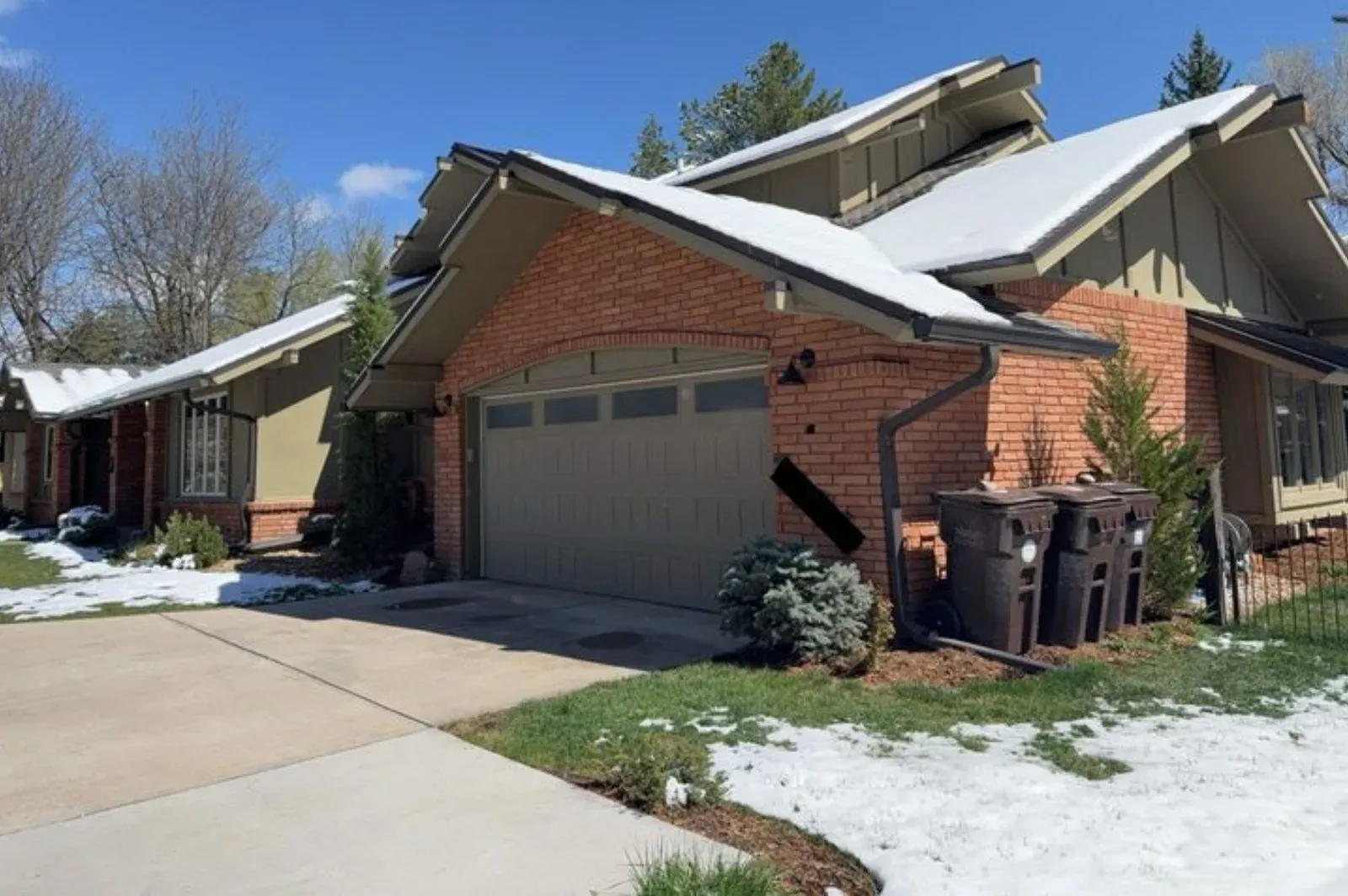
Aluminum siding had its heyday from the 1940s through the 1970s, which is exactly the era a huge share of Denver's established neighborhoods were built. If your home is in Englewood, Wheat Ridge, or the older pockets of the metro, there's a good chance it's wearing original aluminum or a later partial re-side. Knowing what you've got changes the conversation:
Smooth vs. embossed: earlier aluminum was flat and smooth; later runs mimicked wood grain, which affects how a match looks today.
Standard vs. insulated: some panels have a foam backer that adds R-value and stiffness; knowing which you have matters for repairs and efficiency.
Gauge and profile: older aluminum came in profiles that are no longer stocked, which shapes whether a section can be matched or needs a creative fix.
Paint history: aluminum sided before the late 1970s may carry lead-based finishes, which affects how it should be handled during any work.
The Oxidation and Chalking Lifecycle
The most common thing we see on aging aluminum isn't damage — it's chalking. As the factory paint slowly breaks down under Colorado's high-altitude UV, it releases a fine, powdery residue that dulls the color and rubs off on your hand. It looks like the siding is failing, but the metal underneath is usually perfectly sound. That distinction matters, because chalking is a finish problem, not a structural one, and finish problems are far cheaper to solve than most homeowners assume. Catching it before the surface pits too deeply keeps your options open and your costs down.
Why Choose The Roofing & Siding Company for Aluminum Siding
Working on aluminum well means knowing a material most crews no longer bother to learn, and The Roofing & Siding Company has done exactly that across Denver and the Front Range. As a James Hardie Alliance Elite Contractor and LP SmartSide Preferred Contractor, we understand every siding material well enough to give you a straight answer about the one already on your home. We're licensed, fully insured, BBB accredited, and a Team Dave Logan member, working from our shop at 6145 Broadway in Denver and serving Boulder, Littleton, Arvada, Golden, and beyond.
Signs Your Aluminum Deserves a Closer Look
Aluminum ages slowly and quietly, so the warning signs are easy to write off. These are the ones worth acting on before they turn into something larger:
A powdery, chalky film that transfers to your hand when you touch the wall
A hollow, tinny sound or rattle in the wind, which can signal loose fasteners
Waviness or "oil-canning" across flat panels as they expand and contract
Corrosion or white pitting where aluminum meets dissimilar metals
Gaps opening at seams, corners, or around windows where sealant has failed
Repairs from a previous owner that never quite matched
None of these automatically means replacement. They mean it's time for an honest assessment of what's cosmetic and what's worth addressing now.
Refinishing, Insulating, and Getting More Out of the Aluminum You Have
Because most aluminum problems are about the finish rather than the metal, refinishing is often the highest-value move a homeowner can make. Aluminum that's been properly cleaned, de-chalked, primed, and repainted with a modern exterior coating can look sharp for another 10 to 15 years — at a fraction of what any replacement costs. The trick is prep: skip the de-chalking step and the new paint won't bond, which is why DIY aluminum repaints so often fail within a season.
There are also efficiency and comfort angles the original panels never addressed. If your aluminum is standard (non-insulated), a re-side or a retrofit is a chance to add exterior insulation and a proper weather barrier that the mid-century install never included. And if the tinny, noisy quality of older aluminum has always bothered you, insulated panels or a different material dampen that considerably. The point is that "keep it" and "tear it off" aren't your only two choices — there's usually a middle path that gets you more for less.
Refinishing vs. Replacing Aluminum Siding in Denver
Refinishing sound aluminum typically costs a small fraction of full replacement, so the honest question is rarely "which looks better" — it's "how many more years do you need, and how much are you willing to spend to get them." If you plan to stay a decade or less and the metal is structurally fine, refinishing almost always wins on value. If you're planning to be there for the long haul, or the panels are dented and pitted beyond cosmetic help, putting that money toward a material built for this climate makes more sense. We'll lay out both numbers so the decision is yours, not ours.
Aluminum vs. Vinyl: The Comparison Homeowners Actually Face
When aluminum owners consider a budget-friendly change, the real competitor usually isn't steel — it's vinyl. Aluminum wins on fire resistance and won't melt or warp near a heat source, and it holds up better to hard impacts that would crack cold vinyl. Vinyl wins on never needing repainting and on hiding color all the way through the material. Neither is "better" in the abstract; it depends on whether repainting every 10–15 years is a dealbreaker for you and how much fire resistance matters for your location. We're happy to walk through both honestly.
Working Safely on Older Aluminum
Aluminum installed before the late 1970s can carry lead-based paint, and any real work — sanding, cutting, tear-off — needs to account for that rather than ignore it. Old aluminum is also fully recyclable, which is worth knowing at replacement time: rather than sending it to a landfill, it can be recycled, and responsible disposal is part of how we run a job. These aren't reasons to panic about your siding; they're just details a homeowner deserves to know before anyone starts making dust on the side of their house.
What an Aluminum Assessment Looks Like
Because aluminum decisions hinge on condition, our first visit is diagnostic before it's anything else:
Finish test: we check for chalking depth and paint adhesion to see whether refinishing is realistic.
Structural check: we look past the surface for pitting, corrosion at metal-to-metal contact, and fastener condition.
Panel identification: we determine whether you have standard or insulated panels and whether the profile can still be matched.
Options, with numbers: you get refinish, repair, and replace paths side by side, each with an honest cost and a realistic lifespan.
What Sets Our Aluminum Work Apart
We Still Know the Material
Most siding crews would rather sell you something new than learn a 60-year-old panel system. We've kept that knowledge, which means you get accurate advice about aluminum instead of a shrug and a replacement quote.
Prep That Makes Refinishing Last
The difference between a refinish that lasts 15 years and one that peels in a season is entirely in the preparation. We de-chalk, prime, and coat properly, so the money you spend on refinishing actually buys you the years you're paying for.
Every Option on the Table
Refinish, repair, insulate, or replace — we price the paths that fit your home and let the numbers speak. You'll never get pushed toward the biggest job when a smaller one would serve you better.
Aluminum Siding
Frequently asked questions
Should I choose aluminum or steel siding?
Steel takes hail better, aluminum will never corrode and weighs less. On the Front Range we usually recommend steel for full replacements and aluminum for repairs, matches, and specific details.
Can you repair my existing aluminum siding?
Yes. We source matching profiles and colors where they exist and repaint-blend where they do not.
Is aluminum siding fireproof?
Aluminum is non-combustible, which makes it a legitimate option for fire-conscious homeowners.

Finding a good contractor
shouldn't be hard
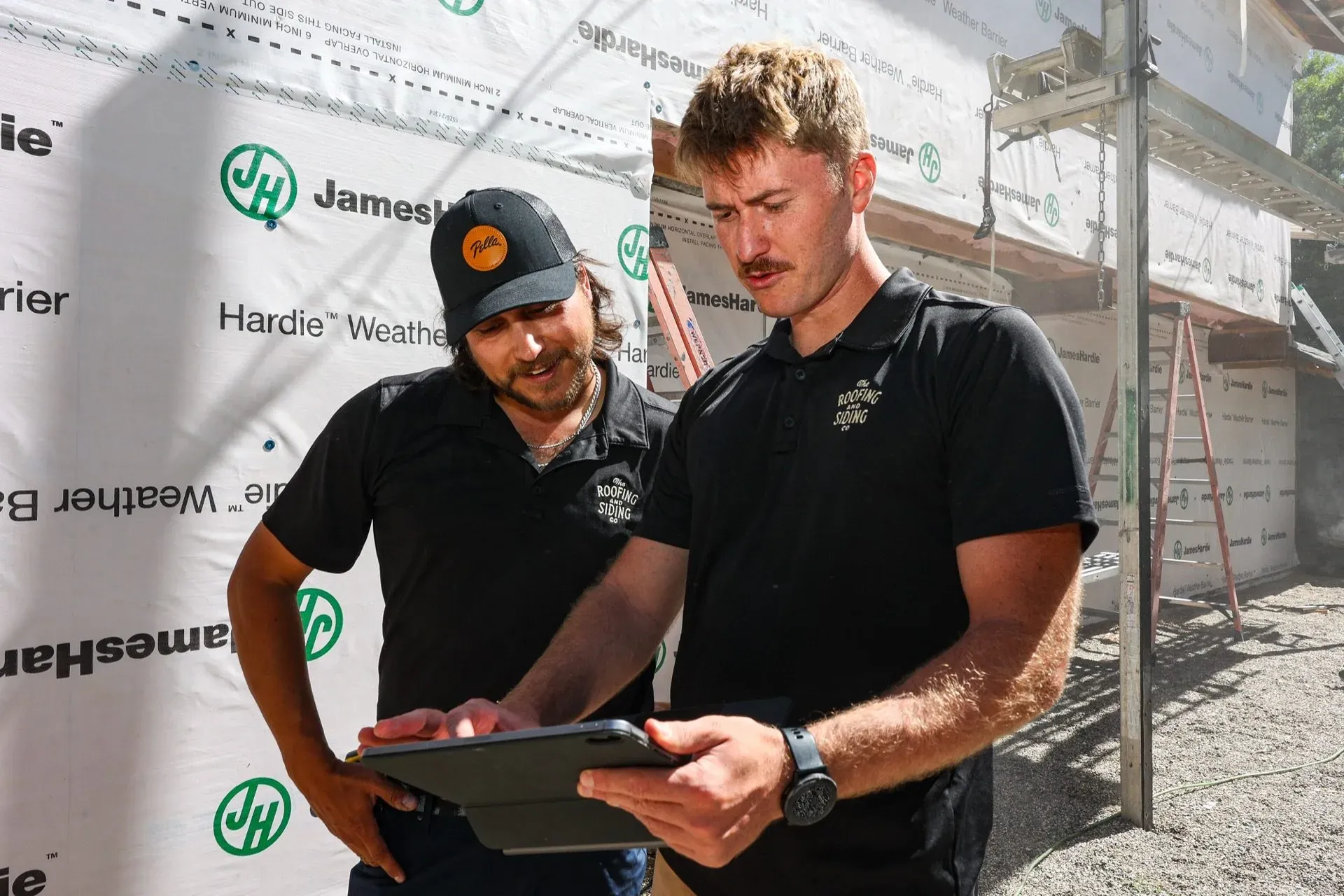
Living with a damaged roof or failing siding is stressful enough. But often, the 'fix' feels worse than the problem. The last thing you need is a pushy salesman trying to rip you off or a disorganized crew that you're forced to babysit because they won't communicate.
That's why we focus on making this process easy for you. Our professional team will provide the high-quality results you expect while keeping you informed every step of the way. Homeowners rate us 5 stars because we treat you and your property with the care you deserve.
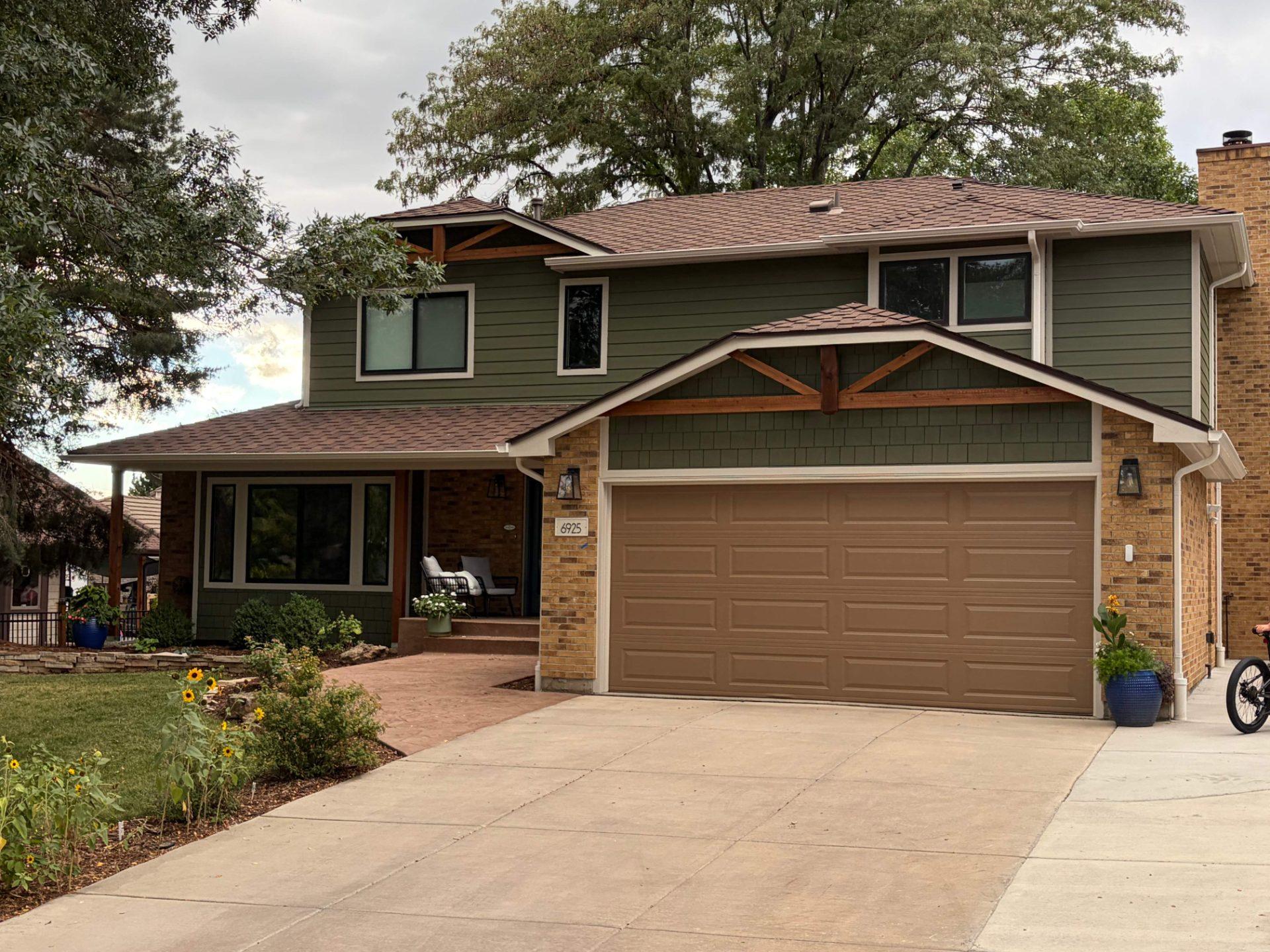
Bold looks that shrug off Colorado weather.
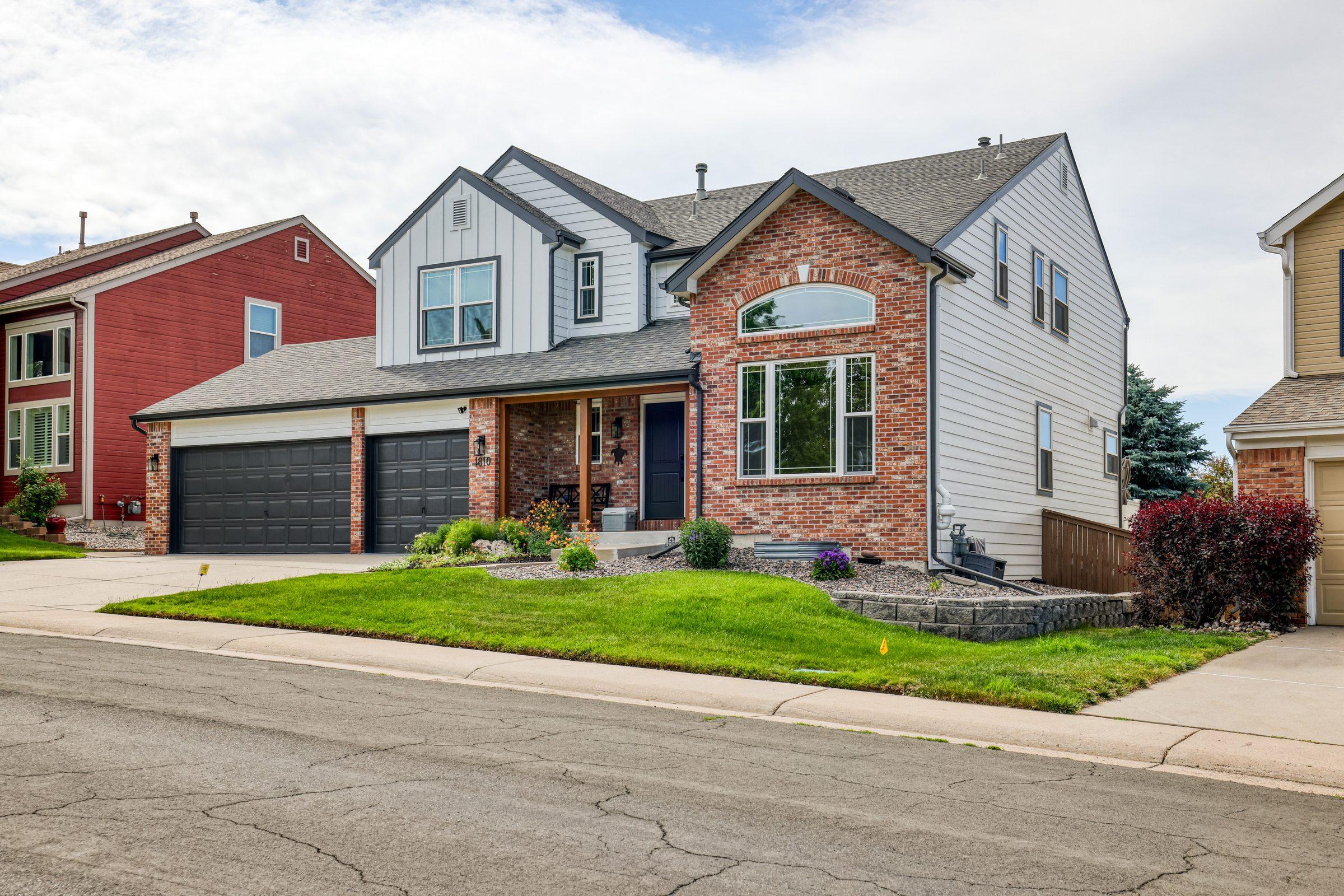
Lap and board-and-batten, done right.
Elite means vetted
A James Hardie
Alliance Elite Contractor
Factory-trained, quality-audited, and backed by the #1 name in fiber cement siding. When James Hardie puts their badge on our work, you can put your trust in it.
Explore James Hardie Siding