Home / Siding
Serving Denver, Boulder & the Front Range
Siding Installation & Replacement in Colorado
Form meets function with beautiful siding design from Denver siding experts using James Hardie fiber cement siding, LP SmartSide engineered wood, steel, and treated wood siding. Preferred-contractor certified on the brands that matter.
Siding in Denver, CO
Your siding is the largest weather barrier on your house and the first thing anyone notices about it, which makes choosing well worth a little homework. The Roofing & Siding Company installs, replaces, and repairs every major siding material for homes throughout Denver and the Front Range, and we'll tell you plainly which one fits your house, your budget, and how long you plan to stay.
Fiber cement, engineered wood, steel, aluminum, vinyl, or treated wood — each has its place, and not one of them is the right answer for everyone. When you're ready to talk specifics, call or text and we'll walk your home with you.
What we do
Siding services
James Hardie Fiber Cement Siding
Fiber cement does not rot, does not burn, laughs at hail, and holds paint for 15 years. As a James Hardie Elite contractor, we install it to the…
Learn more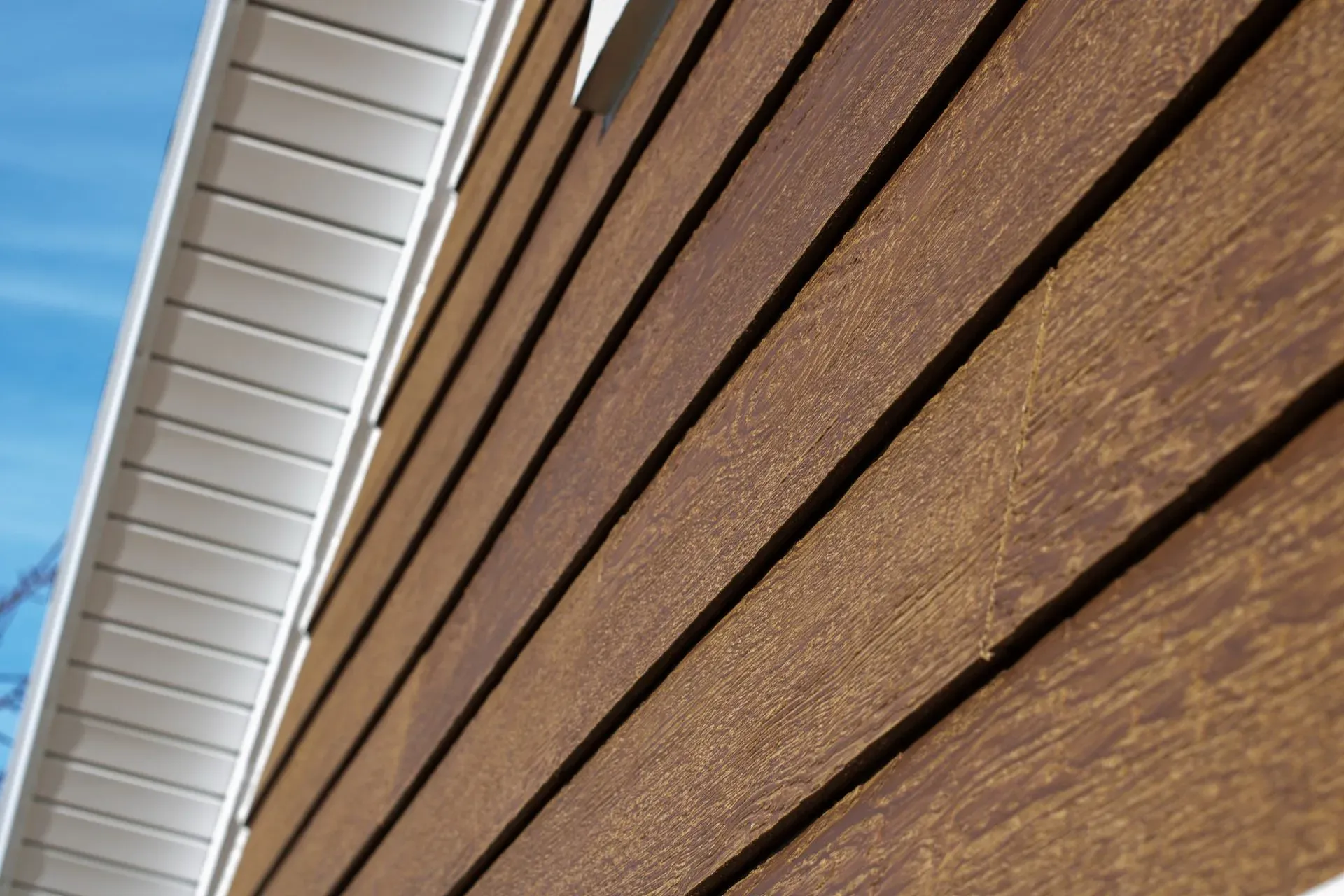
Engineered Wood Siding
LP SmartSide gives you the warm grain of cedar with treated engineered strand underneath. It installs beautifully, takes paint like a dream, and…
Learn more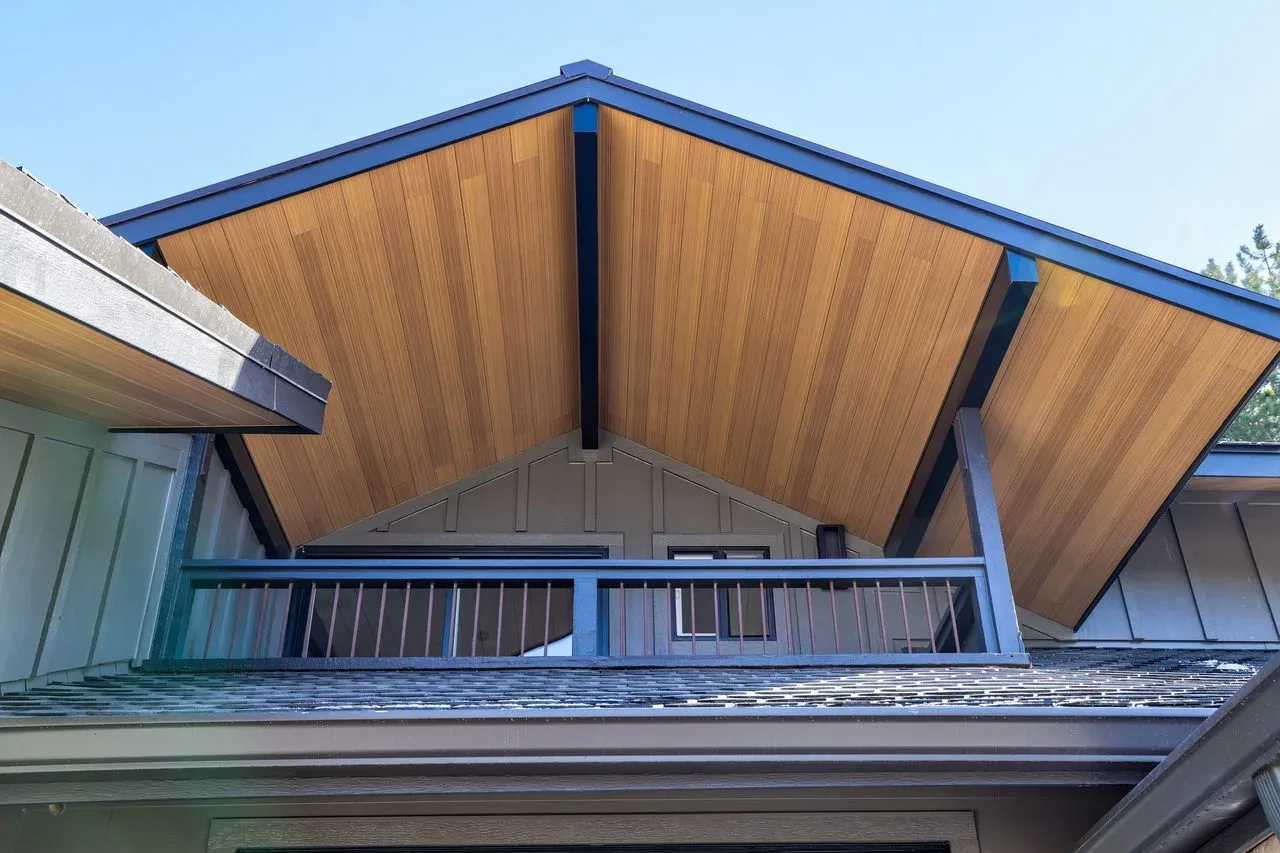
Steel Siding
Steel siding is the most durable wall you can put on a Colorado home. Modern profiles look sharp, finishes last decades, and a hailstorm that totals…
Learn more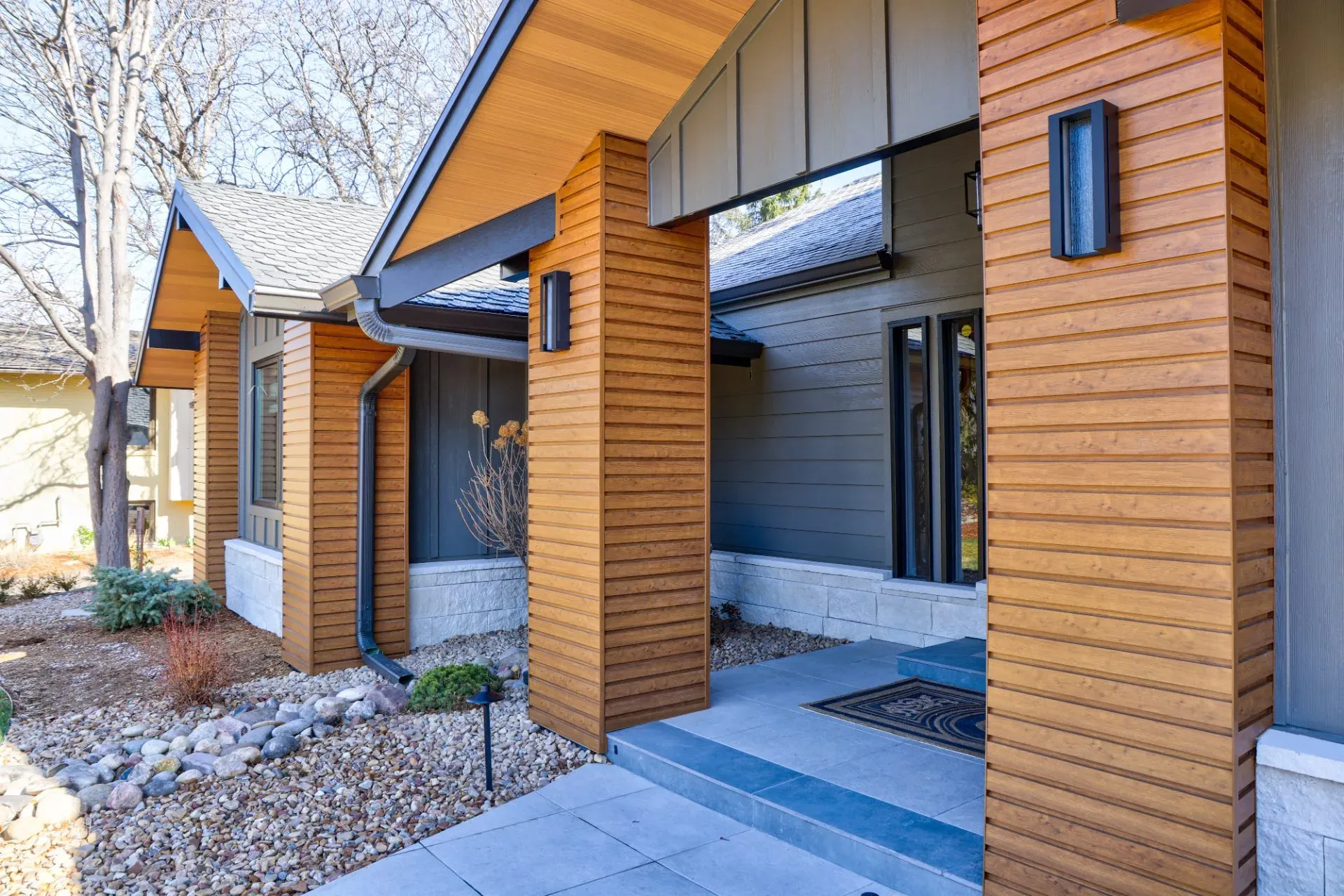
Fire Treated Wood Siding
For mountain and foothills homes that want genuine wood, fire-treated natural siding delivers the real thing with pressure-applied fire retardant…
Learn more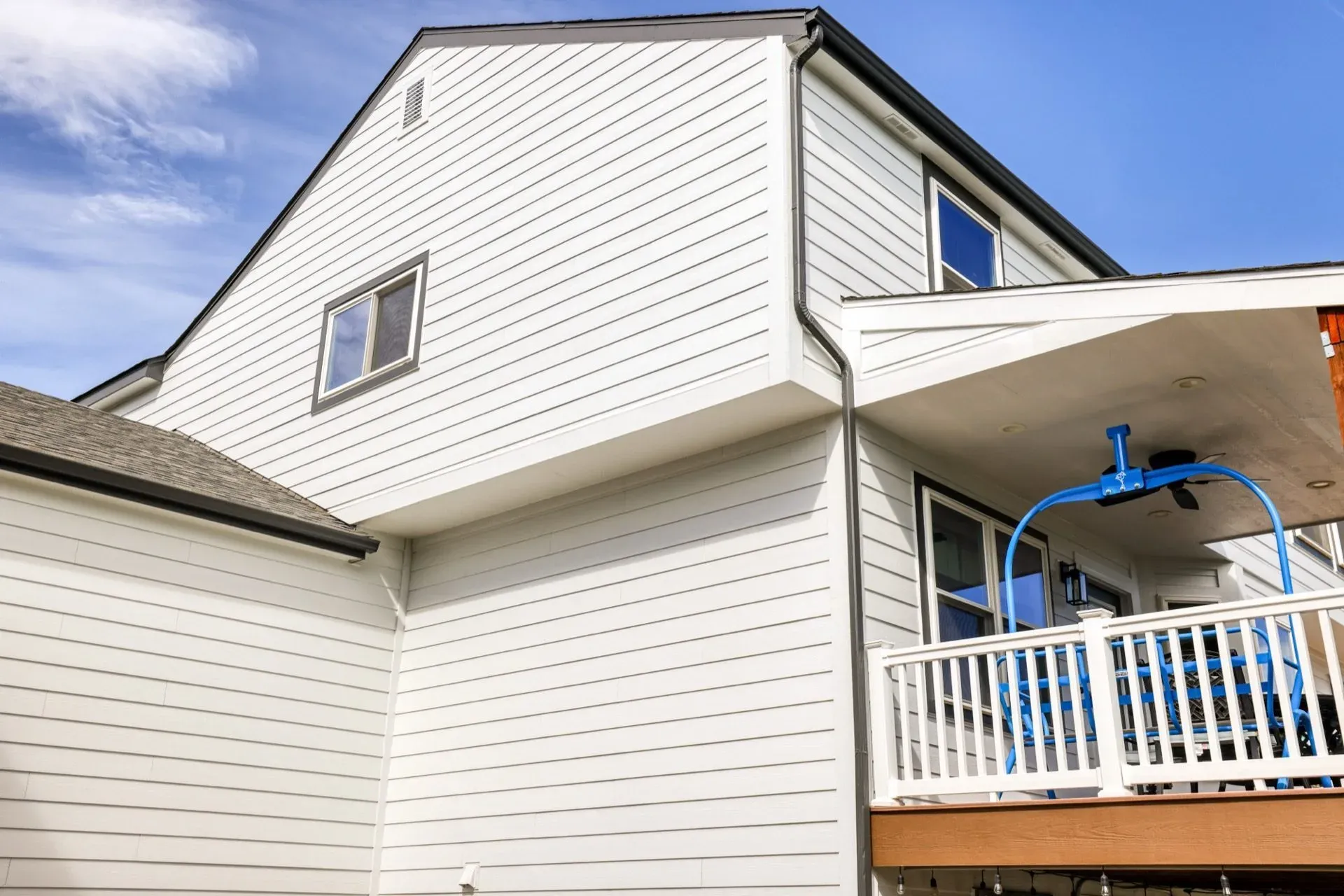
Aluminum Siding
Aluminum still has its place: it is light, completely rust-proof, insect-proof, and non-combustible. We install modern aluminum systems and also help…
Learn more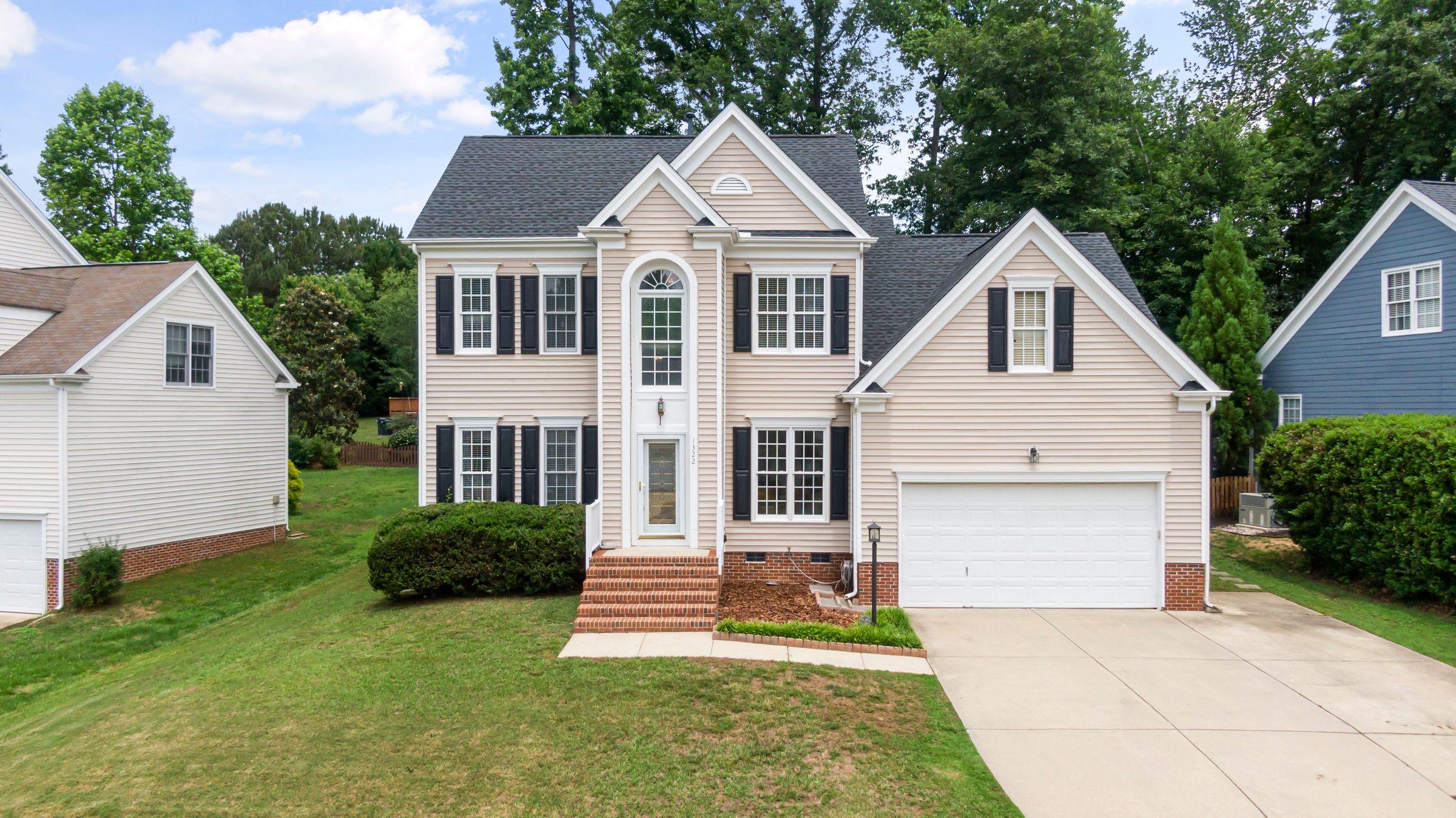
Vinyl Siding
Vinyl is the most affordable path to a fresh exterior, and modern vinyl is better than its reputation. We install quality lines with proper…
Learn more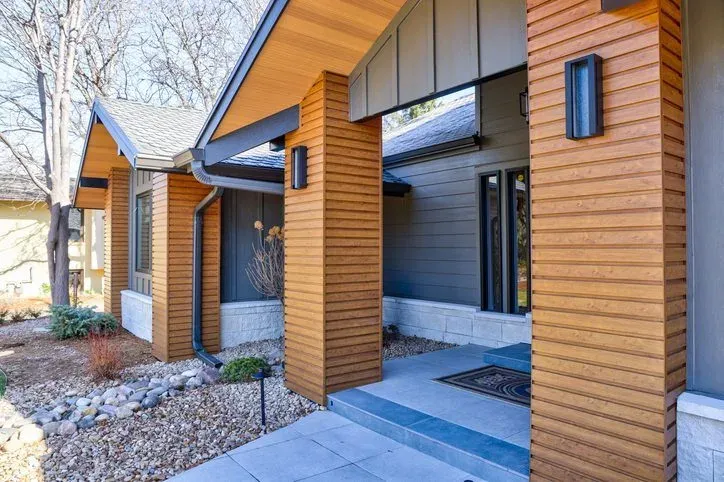
Siding Replacement
Full siding replacement is the biggest visual upgrade a home can get, and the most important weather barrier decision you will make. We tear off,…
Learn morePay over time
Financing up to $100,000 through Upgrade
Terms from 1 to 15 years, with 0% interest promotional options for qualified applicants. Checking your options takes a minute and does not affect your credit score.
Siding Is a System, Not Just a Surface
Most homeowners picture siding as the outer skin of the house, and it is — but the part you can see is only the last layer of a system that keeps water out of your walls. Built correctly, you never think about it. When a piece of it gets skipped to shave a bid, you find out years later as soft sheathing and interior stains. A complete siding installation includes:
The cladding: the visible material, chosen for looks, durability, and how it handles this climate.
A water-resistive barrier: the house wrap behind the cladding that stops wind-driven rain and snowmelt from reaching the structure.
Flashing and sealants: the details around windows, doors, and transitions, where the large majority of leaks actually begin.
A drainage plane: the detailing that lets any moisture that does get in escape, instead of sitting against the wall.
What the Front Range Climate Does to a Wall
Colorado is one of the harder climates in the country on an exterior. Denver sits high enough that UV exposure is measurably stronger than at sea level, breaking down finishes faster and fading color unevenly. Hail — most metro summers bring at least one storm — cracks, dents, or punctures materials that weren't built for impact. Winter drives moisture into every seam, then freezes and expands it. And the daily swing from a sunny afternoon to a hard overnight freeze makes materials expand and contract, working joints loose over time. Here, material choice isn't cosmetic; it's survival.
Why Choose The Roofing & Siding Company for Siding
Denver homeowners have no shortage of siding companies to call, and The Roofing & Siding Company has earned its place among them by putting both trades on the door and standing behind each. We're a James Hardie Alliance Elite Contractor and an LP SmartSide Preferred Contractor — factory training, quality audits, and warranty access most contractors can't match. We're licensed, fully insured, BBB accredited, and a Team Dave Logan member, working from our shop at 6145 Broadway in Denver and serving Boulder, Littleton, Arvada, Golden, and the surrounding Front Range.
Signs It's Time to Think About New Siding
Siding usually warns you before it fails outright. If you're seeing any of these, it's worth a look:
Boards that are cracked, warped, buckling, or pulling away from the house
Paint that peels or blisters within a year or two of a fresh coat
Soft spots, rot, or areas that give when pressed
Visible gaps at seams, corners, or around windows
Higher energy bills that track with drafts rather than usage
Mildew or moisture stains bleeding through from behind the surface
Some of this is a targeted repair; some signals a bigger moisture problem inside the wall. The only way to know which is to open it up and look.
How to Choose Siding Without Guessing (or Getting Talked Into Something)
There's no universally "best" siding, which is exactly why the decision trips people up. The right choice balances four things: how well the material survives Colorado's hail and UV, how much maintenance you're willing to take on, the look you want, and your budget. Weight those four differently and you land on a different material — and every one of those answers can be correct for the person who made it.
Where homeowners go wrong is letting one factor, usually the lowest bid, quietly override the other three. Our job is to make the trade-offs visible so you're choosing on purpose. The material-by-material breakdowns live on the individual service pages linked above; the questions below are the ones that actually decide which of those materials is right for you.
Matching Siding to How Long You'll Stay
How long you plan to own the home should drive this decision more than almost anything, and it rarely gets asked. In a forever home, spending once on a premium material that lasts 40-plus years is almost always cheaper than replacing a budget product twice. If you expect to sell within a few years, the math shifts toward curb appeal and resale return rather than maximum lifespan. Tell us your timeline honestly and we'll steer you accordingly — there's no sense paying for fifty years of siding on a house you'll leave in five.
Reading a Siding Bid So You Can Compare Fairly
Two siding quotes can differ by thousands and still claim to describe the same job, because the real differences hide in what isn't itemized. Before you compare on price, check whether each bid includes tear-off and disposal, new house wrap and flashing, repair of any rotten sheathing found underneath, trim and accessories, and full cleanup. A suspiciously low number usually means one or more of those was left out and will resurface later as a change order. We itemize all of it up front, so the figure you see is the figure you pay — and so you can hold other bids to the same standard.
Why the Install Outlasts the Material
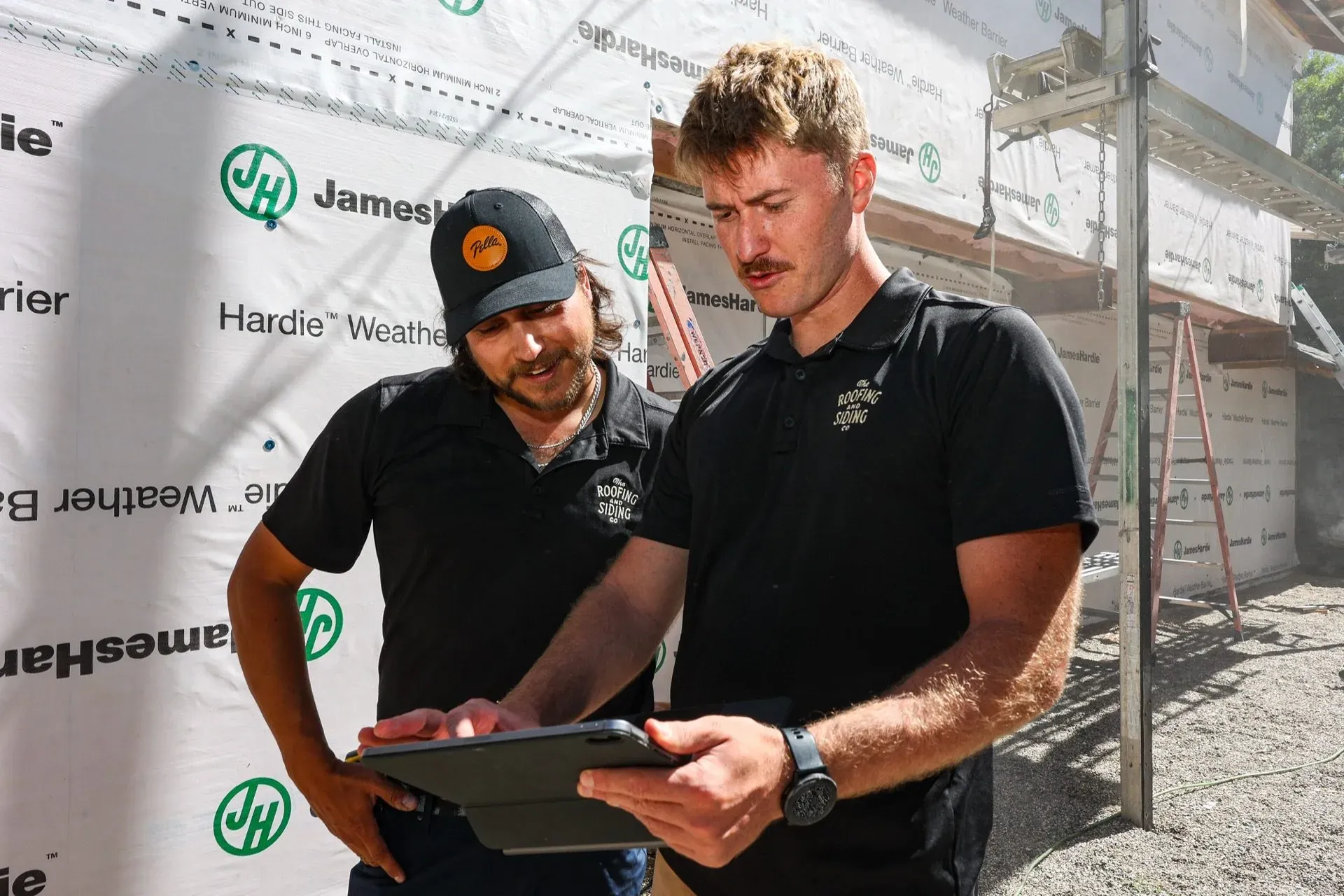
A top-tier material installed poorly will fail before a modest material installed correctly. Most siding problems we're called to fix aren't the product's fault — they're missed flashing, fasteners driven too tight or too loose, no clearance at grade, or house wrap lapped the wrong way so it funnels water in instead of out. This is the part you can't see once the walls are closed, and it's the biggest reason manufacturer certification matters: it's verification that the crew was trained to install that specific product the way its warranty actually requires.
What a Siding Project Looks Like With Us
From first call to final walkthrough, the arc is built to be predictable:
Free estimate: we inspect, measure, and give you an itemized written quote you can actually compare.
Material and color selection: real guidance with samples in hand, matched to your home and your timeline.
Scheduling and prep: firm dates, plus protection for landscaping, windows, and walkways before work starts.
Tear-off and inspection: old siding comes off and we show you anything we find underneath before covering it back up.
Installation and walkthrough: your new system goes on to spec by our own crew, followed by full cleanup and a final walk together.
The Siding Styles We Build Most
Lap Siding
The classic horizontal profile most people picture when they think of siding. Clean, versatile, and available in nearly every material we carry, lap suits everything from a traditional bungalow to a modern farmhouse depending on board width and color. It's the most requested look on the Front Range, for good reason.
Board-and-Batten
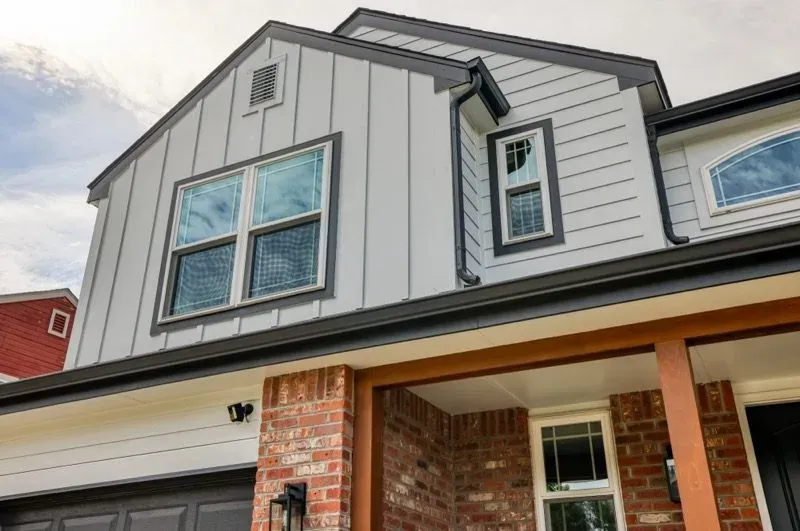
Vertical boards with narrow battens over the seams, board-and-batten reads as modern and architectural while nodding to agricultural roots. It's a favorite on farmhouse and contemporary builds, and it pairs beautifully with lap as an accent on gables, entries, and second stories.
Shake and Shingle Accents
Staggered shake and shingle profiles add texture where a home needs a focal point — gables, dormers, and covered entries especially. Used as an accent against lap or board-and-batten, they give a facade depth that a single profile can't achieve on its own.
Siding questions
Frequently asked questions
Which siding is best for Colorado?
For most Front Range homes, James Hardie fiber cement or LP SmartSide engineered wood. Both handle hail, sun, and temperature swings far better than the materials they replace. We install both as a preferred contractor.
How long does new siding last?
Fiber cement and engineered wood systems are warrantied for 30 to 50 years. The install quality is what makes those numbers real, which is why manufacturer certification matters.
Can new siding improve energy efficiency?
Yes. Replacement is the ideal moment to add exterior insulation and a proper weather barrier, and we will show you the options during your estimate.



Finding a good contractor
shouldn't be hard
Living with a damaged roof or failing siding is stressful enough. But often, the 'fix' feels worse than the problem. The last thing you need is a pushy salesman trying to rip you off or a disorganized crew that you're forced to babysit because they won't communicate.
That's why we focus on making this process easy for you. Our professional team will provide the high-quality results you expect while keeping you informed every step of the way. Homeowners rate us 5 stars because we treat you and your property with the care you deserve.
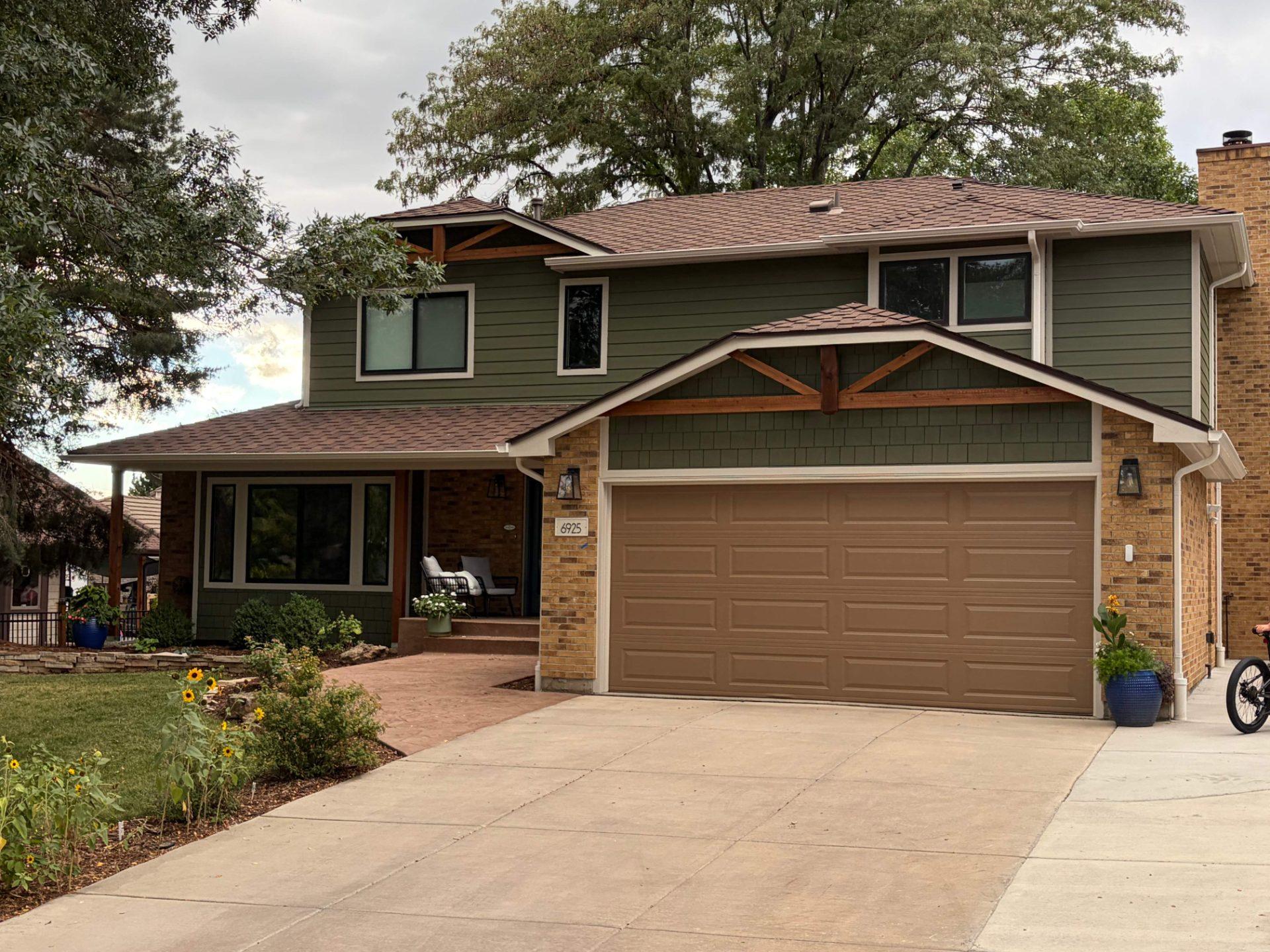
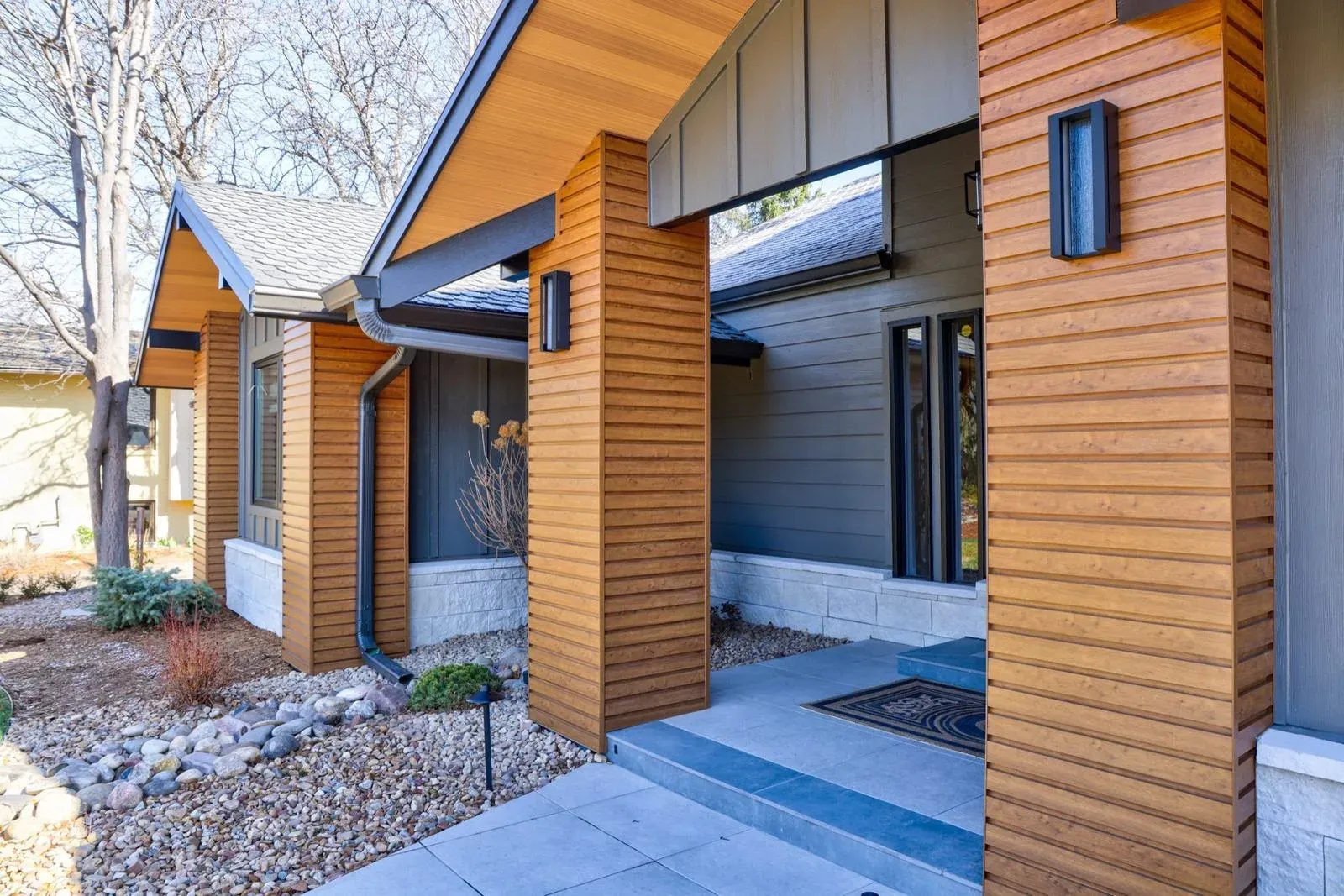
Bold looks that shrug off Colorado weather.
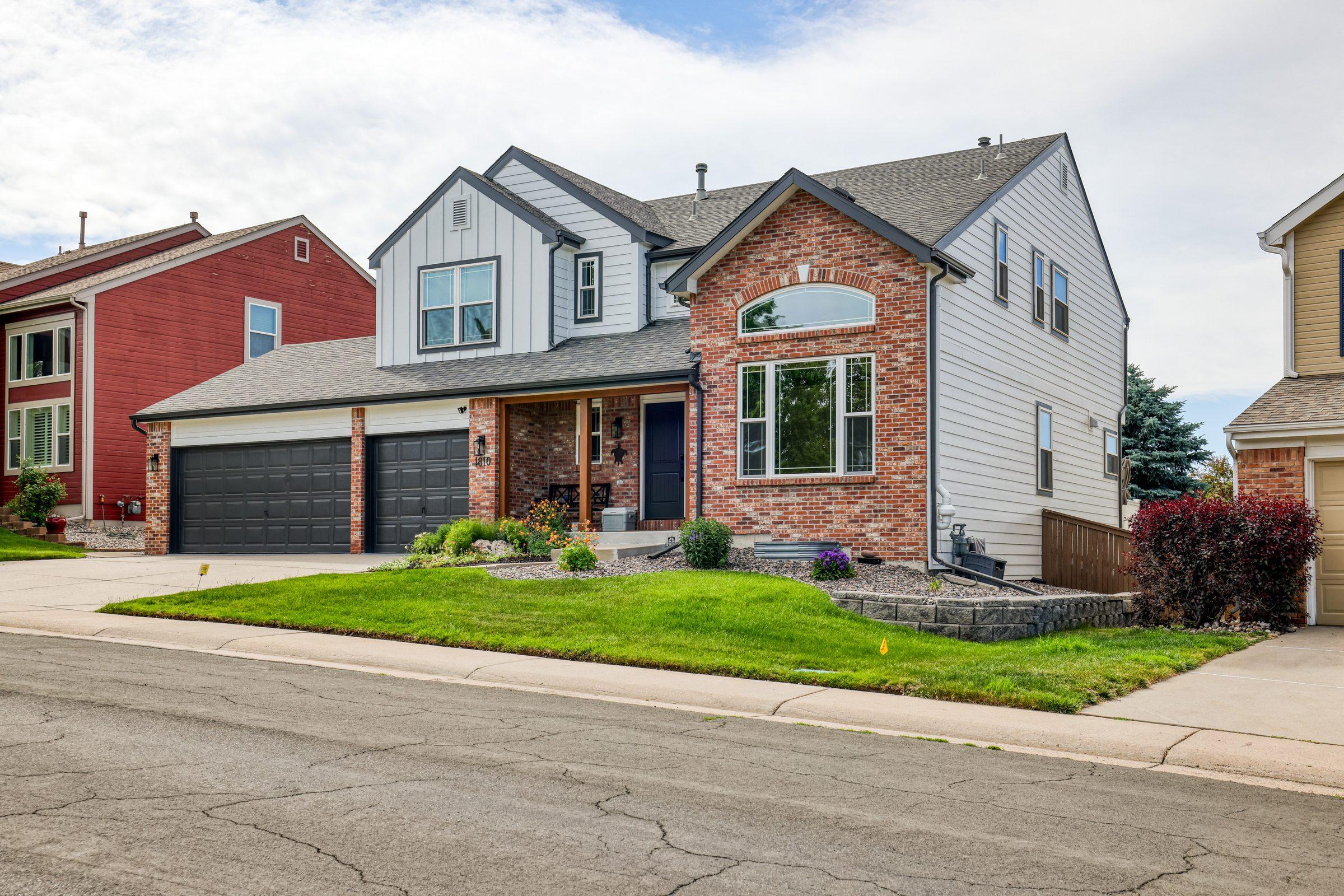
Lap and board-and-batten, done right.
Elite means vetted
A James Hardie
Alliance Elite Contractor
Factory-trained, quality-audited, and backed by the #1 name in fiber cement siding. When James Hardie puts their badge on our work, you can put your trust in it.
Explore James Hardie Siding