Home / Siding / Fire Treated Wood Siding
Siding Services in Denver, CO
Fire Treated Natural Wood Siding
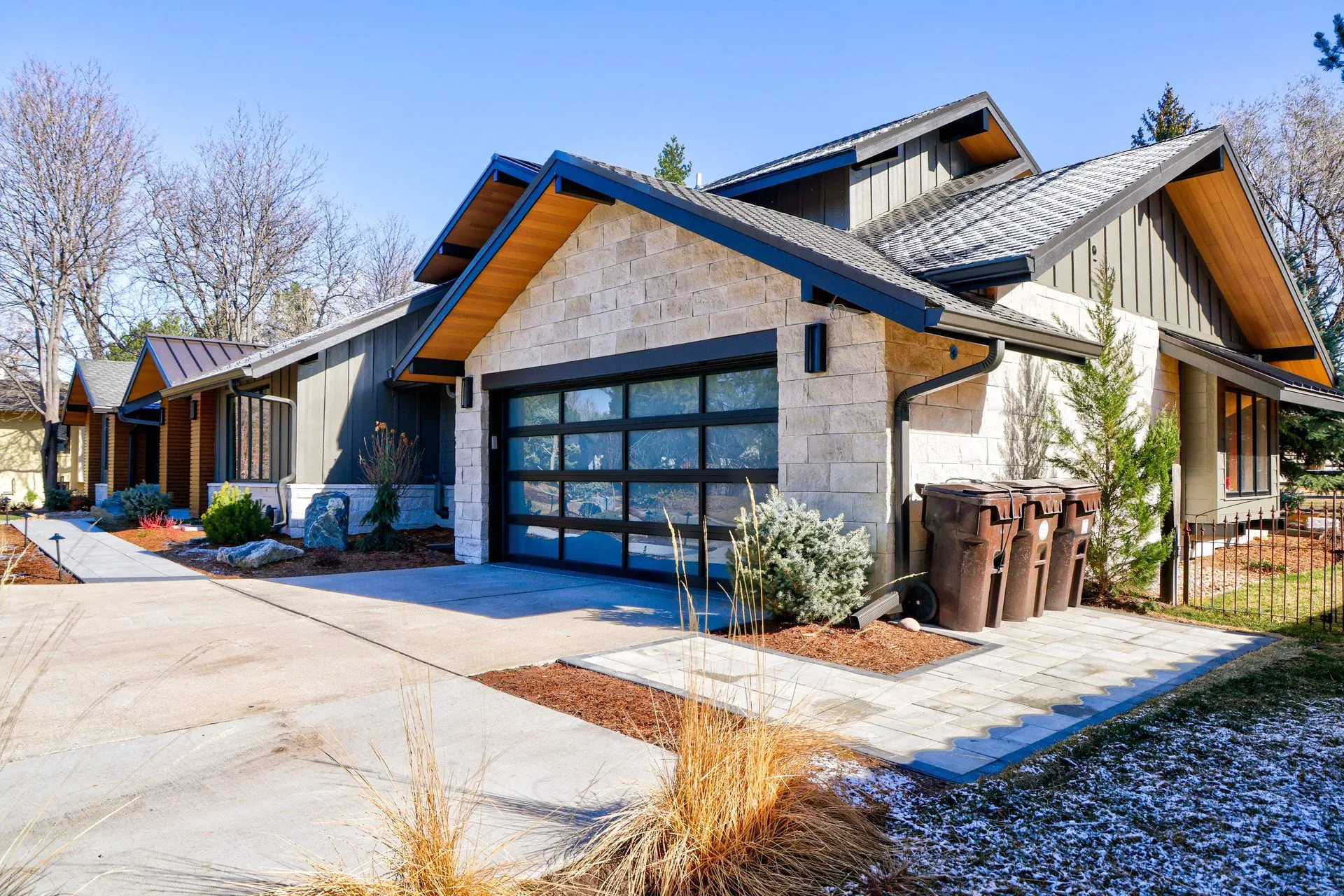
For mountain and foothills homes that want genuine wood, fire-treated natural siding delivers the real thing with pressure-applied fire retardant that meets wildland code. Evergreen, Morrison, Golden: this one is for you.
Fire-Treated Wood Siding in Denver, CO
Something shifted for foothills homeowners this year. With Colorado's statewide wildfire code now in force, the siding on a home in fire country isn't purely an aesthetic decision anymore. It's also a compliance one. Fire-treated wood siding answers both: real wood, usually cedar, pressure-impregnated with fire retardant so it resists ignition and slows flame, while still looking like the genuine article. The Roofing & Siding Company installs it for mountain and foothills homes across the Front Range, alongside the rest of our siding services. If you're building, remodeling, or re-siding anywhere in a wildfire zone, it pays to understand your options early — call or text and we'll help you sort them out.
Everything handled
What's included
- Fire-retardant treated cedar and natural wood systems
- WUI code-compliant assemblies for foothills properties
- Stain-grade installation with concealed fastening options
- Matching trim, fascia, and accent work
- Maintenance guidance and refinishing schedules
Straight talk
Worth knowing first
Treatment is in the wood, not on it
Pressure treatment drives retardant through the board. It does not wash off or wear off like a coating.
Insurers are watching the foothills
Ignition-resistant construction can be the difference in keeping coverage in WUI zones.
Real wood asks for care
Plan on refinishing every 5 to 8 years depending on exposure. We will tell you honestly if a lower-maintenance look-alike serves you better.
Simple process
How it works
Free estimate
We inspect, measure, photograph, and give you a detailed written quote. No pressure, no games.
Materials & schedule
Pick your products and colors with honest guidance, then get real dates you can plan around.
Done right
Certified installation, daily communication, full cleanup, and a walkthrough before we call it finished.
Pay over time
Financing up to $100,000 through Upgrade
Terms from 1 to 15 years, with 0% interest promotional options for qualified applicants. Checking your options takes a minute and does not affect your credit score.
How the Fire Treatment Works
Fire-retardant treatment doesn't make wood non-combustible — it changes how the wood behaves when heat and flame reach it. The retardant chemicals, driven into the board under pressure rather than brushed on top, react at high temperatures to do several things at once:
Release water vapor and non-combustible gases that dilute the flammable ones and slow combustion
Promote a protective char layer that insulates the wood underneath and starves the fire of fuel
Raise the temperature at which the surface will ignite and sustain a flame
Sharply reduce how fast flame spreads across the surface — the single measurement most fire codes care about
The net effect is a wall that resists catching from wind-blown embers and radiant heat, which is how most homes actually ignite in a wildfire — not from a wall of flame arriving, but from embers landing on something combustible.
What Colorado's Wildfire Code Now Requires
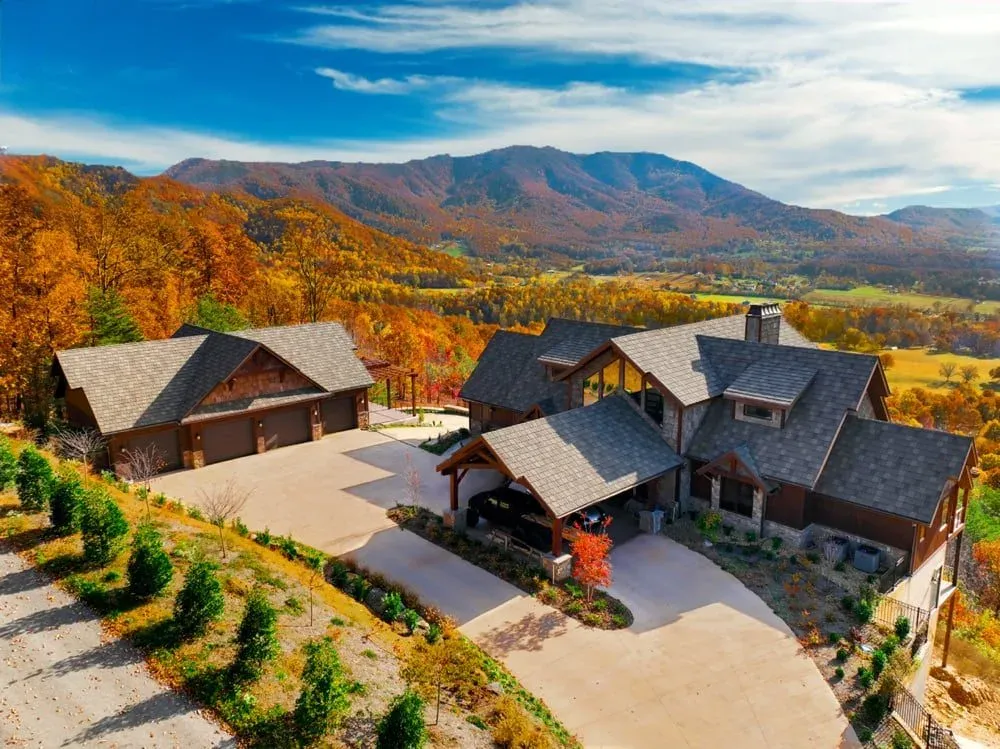
For years, Colorado handled wildfire building rules county by county. That changed with the Colorado Wildfire Resiliency Code, the state's first WUI-wide building standard, which reached full local enforcement in July 2026. In designated interface zones — mapped by fire intensity — it sets structure-hardening requirements that scale with risk. In higher-intensity areas, exterior wall coverings must be noncombustible, ignition-resistant, or fire-retardant-treated wood; standard cedar and most vinyl no longer qualify on their own. Some counties, Jefferson among them, adopted their own stricter versions. If you're building, adding on, or re-siding in the foothills, your material list may now double as a code list.
Why Choose The Roofing & Siding Company for Fire-Treated Wood Siding
Installing fire-treated wood correctly means understanding both the material and the code it answers to, and The Roofing & Siding Company has done that work in Colorado's foothills. As a James Hardie Alliance Elite Contractor and LP SmartSide Preferred Contractor, we install the full range of ignition-resistant exterior options and can tell you honestly where treated wood is the right call. We're licensed, fully insured, BBB accredited, and a Team Dave Logan member, working from our shop at 6145 Broadway in Denver and serving the foothills communities of Evergreen, Golden, Conifer, Morrison, and Boulder County.
Signs Fire-Treated Wood Siding Belongs on Your Denver Home
Treated wood isn't for every home, but for foothills properties it's often the material that checks every box. It's worth a serious look if:
You're building or adding onto a home in a mapped Wildland-Urban Interface zone
A re-siding or remodel permit is triggering current wildfire code on an older foothills house
Your insurer has raised rates, added requirements, or threatened non-renewal over wildfire exposure
You're rebuilding after a fire and want genuine wood that meets today's standards
You love the look of natural cedar but your location no longer allows it untreated
You want to harden your home without giving up a warm, mountain-appropriate exterior
If several of these apply, treated wood may be your path to keeping real wood on the house. If they don't, we'll point you toward a simpler option.
Getting Fire-Treated Wood Right: The Details That Matter
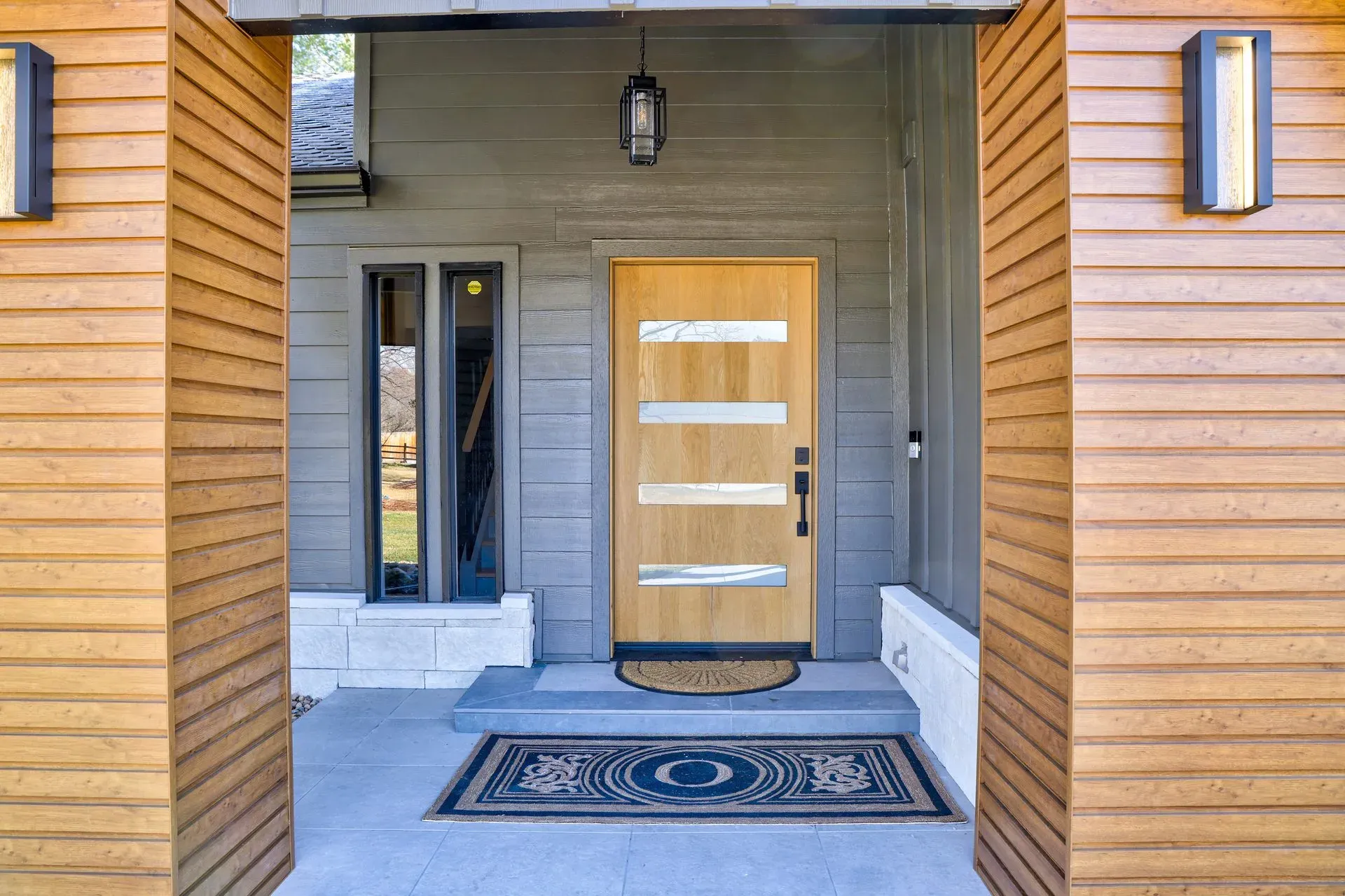
Fire-treated wood is a specialized product, and the specification details are where projects go right or wrong. The treatment, the fasteners, and the finish all have to be chosen for treated wood specifically — not borrowed from a standard cedar job — or you can quietly undercut the very performance you're paying for. This is the part a general crew tends to get wrong.
It's also where the difference between a compliant, long-lasting wall and an early callback lives. Here's what we hold to on every treated-wood project.
Exterior-Rated Treatment, Verified by Label
Not all fire-treated wood is built for the outdoors. Interior-type treatment will leach and lose its rating once weather reaches it, so exterior siding requires exterior-rated fire-retardant-treated wood — the kind put through an accelerated weathering cycle and then retested for flame spread, proving the retardant stays locked in the board through Colorado's rain, snow, and sun. Genuine exterior FRTW is inspected by a third party and carries a label on each piece. We install labeled, exterior-rated material and keep the documentation, because when a building official or insurer asks, that paperwork is what answers them.
Corrosion-Resistant Fasteners and Flashing
The same chemistry that makes the wood resist fire can be hard on ordinary fasteners, accelerating corrosion where a standard nail would be fine. Treated-wood siding calls for corrosion-resistant fasteners — hot-dipped galvanized or stainless steel — along with compatible flashing. Skip that, and you trade a fire risk for a rust-and-failure problem a few years down the road. It's a small line item that a crew unfamiliar with treated wood routinely gets wrong, and one of the first things we get right.
Cost and Financing for Fire-Treated Wood
Fire-treated wood costs more than standard cedar — you're paying for the treatment, the exterior rating, and real wood itself — and it typically sits at the premium end of the siding range, alongside fiber cement. Your number depends on species, grade, the size and detail of the home, and how much prep the walls need. What's easy to overlook is the other side of the ledger: in a WUI zone, compliant siding can be what keeps a home insurable and permit-ready, which carries real value of its own. You'll get an itemized written estimate before anything begins, and for larger projects we offer financing up to $100,000 through Upgrade, with terms from 1 to 15 years and a pre-approval check that won't affect your credit score.
Finishing With a Treated-Wood Exterior For Your Denver Home
Real wood rewards a little attention, and treated wood adds one wrinkle worth knowing up front:
Use compatible finishes: not every stain or coating plays nicely with fire-retardant-treated wood, so finishes have to be matched to the treatment to avoid adhesion or discoloration problems.
Keep the finish current: the retardant is permanent, but the wood's weather protection isn't — refreshing the finish on schedule is what keeps the boards sound.
Pair it with defensible space: siding is one layer of a hardened home; keeping the first five feet around the house clear of fuel does as much as any single material choice.
Look it over after big weather: a quick inspection after major storms or a hard freeze-thaw stretch catches small issues before they grow.
Fire-Treated Wood vs. the Other Compliant Options
vs. Fiber Cement
Fiber cement is non-combustible, which edges out treated wood on pure fire performance, and it's lower-maintenance. What it can't do is look like real wood up close. When compliance is the only goal, fiber cement is often the practical pick; when you specifically want authentic grain and can accept the upkeep, treated wood is why you don't have to compromise.
vs. Standard Cedar
This is the comparison most foothills homeowners are actually making. Standard cedar is beautiful and, increasingly, not allowed under wildfire code in higher-risk zones. Fire-treated wood is how you keep genuine cedar on a home that can no longer use it untreated — the same material, brought up to today's standard.
vs. Steel or Metal
Steel siding is non-combustible and nearly maintenance-free, and it's an excellent WUI choice on performance alone. The trade-off is aesthetic: its clean, modern lines don't read as "mountain home" the way real wood does. For owners set on a natural, warm exterior, treated wood wins the look.
Fire Treated Wood Siding
Frequently asked questions
Is fire-treated wood siding really fire resistant?
Yes. Pressure-treated fire-retardant wood achieves Class A or B flame spread ratings and is accepted under wildland-urban interface codes across the foothills.
How is it different from regular cedar?
The boards are pressure-treated with fire retardant before finishing. Appearance and workability are nearly identical to untreated cedar.
Where do you install fire-treated wood siding?
Mostly Evergreen, Morrison, Golden, and Boulder county foothills properties, though it is available anywhere in our service area.




Finding a good contractor
shouldn't be hard
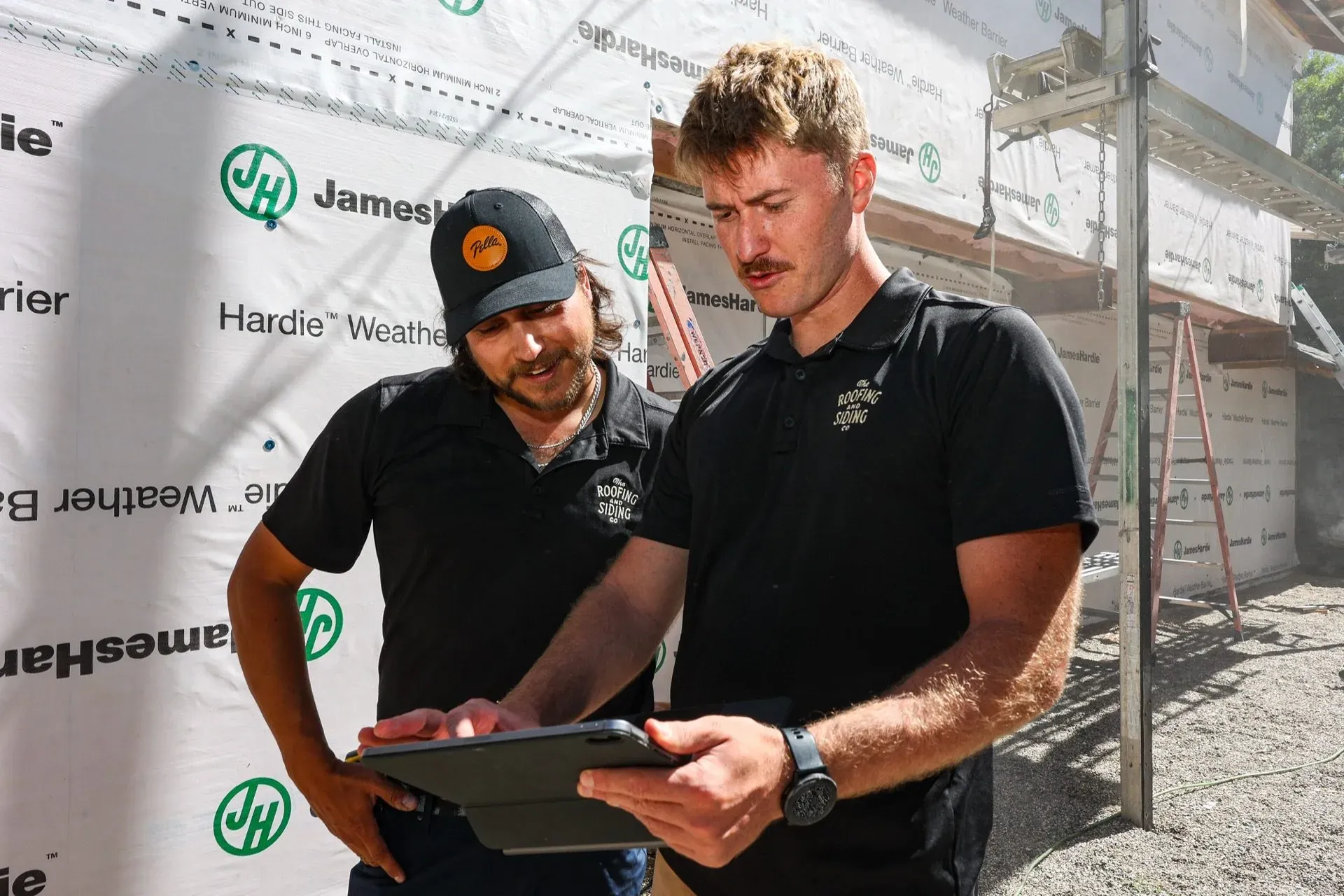
Living with a damaged roof or failing siding is stressful enough. But often, the 'fix' feels worse than the problem. The last thing you need is a pushy salesman trying to rip you off or a disorganized crew that you're forced to babysit because they won't communicate.
That's why we focus on making this process easy for you. Our professional team will provide the high-quality results you expect while keeping you informed every step of the way. Homeowners rate us 5 stars because we treat you and your property with the care you deserve.
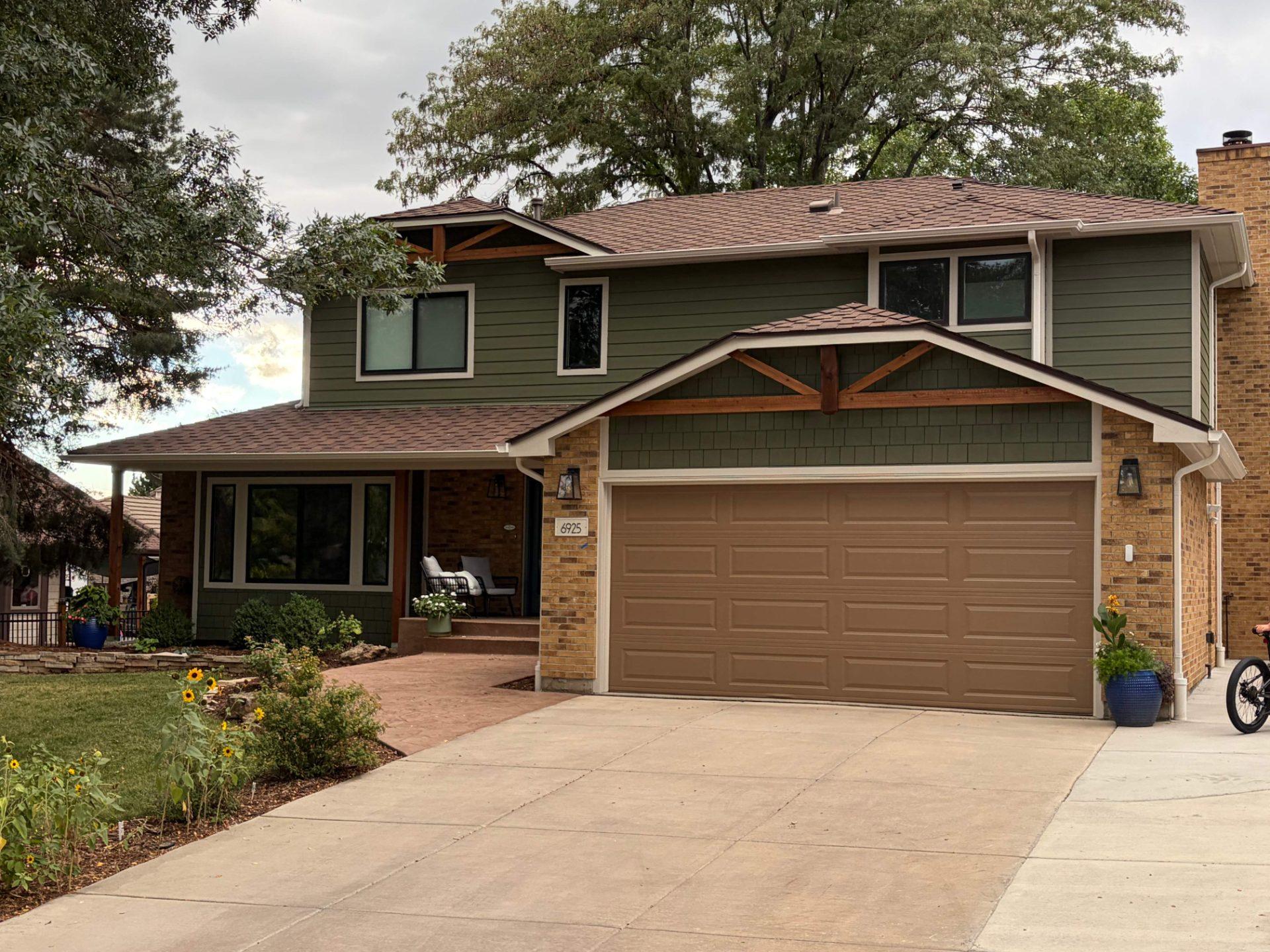
Bold looks that shrug off Colorado weather.
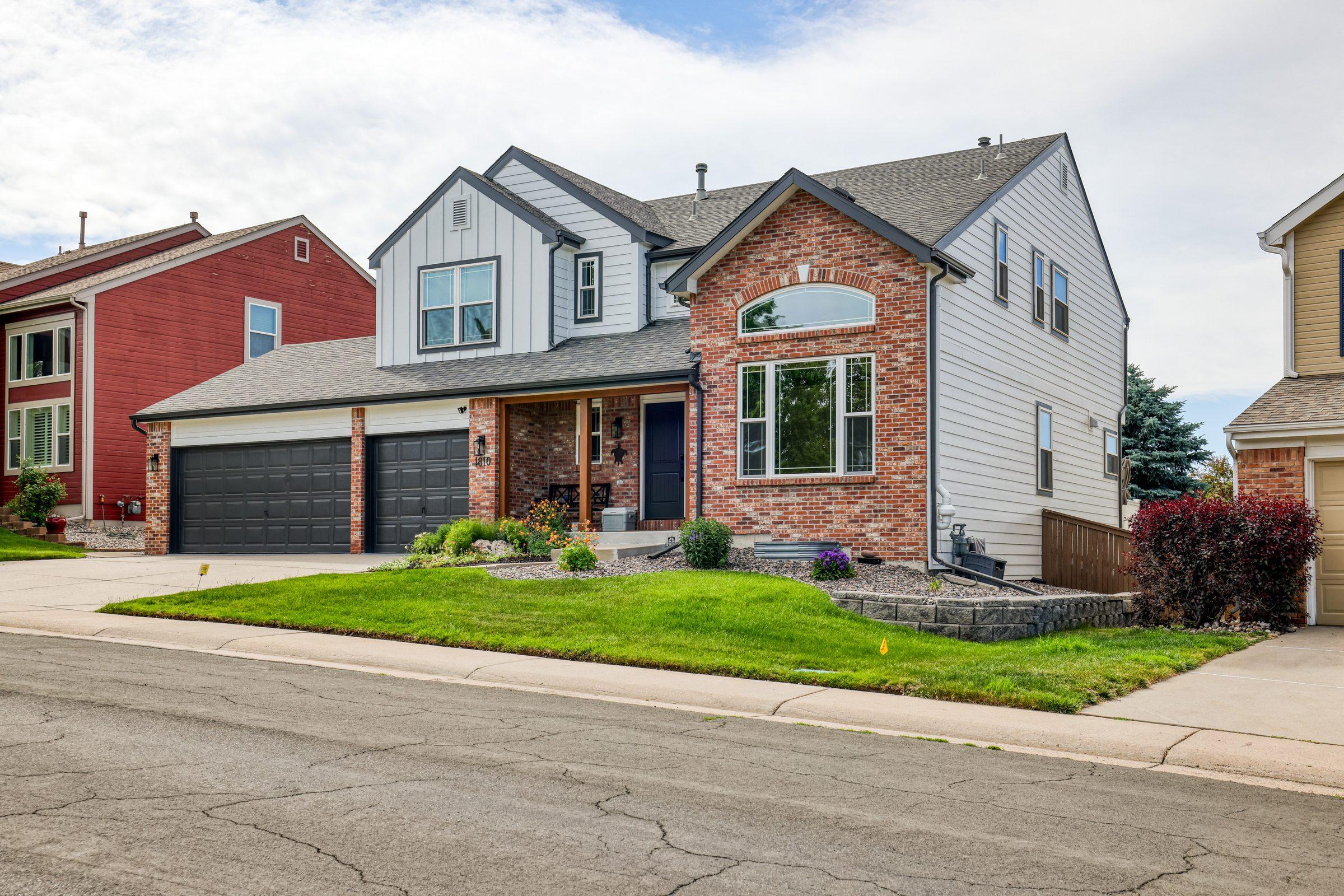
Lap and board-and-batten, done right.
Elite means vetted
A James Hardie
Alliance Elite Contractor
Factory-trained, quality-audited, and backed by the #1 name in fiber cement siding. When James Hardie puts their badge on our work, you can put your trust in it.
Explore James Hardie Siding