Siding Services in Denver, CO
Steel Siding
Steel siding is the most durable wall you can put on a Colorado home. Modern profiles look sharp, finishes last decades, and a hailstorm that totals the vinyl next door leaves yours standing.
Steel Siding in Denver, CO
Some homeowners reach a point where they simply never want to deal with their siding again. Steel is the material that answers that impulse. Formed from coated, galvanized steel, it's the toughest cladding you can reasonably put on a house, and The Roofing & Siding Company installs it across Denver and the Front Range as one of our core siding services. Whether it's right for you depends on your exposure, your budget, and how long you plan to stay, and we'll tell you honestly rather than sell you upward. Call or text whenever you'd like to talk it through.
Everything handled
What's included
- Seamless and panel steel siding systems
- Woodgrain and smooth finishes in deep, fade-resistant colors
- Full trim, soffit, and fascia packages
- Hail-rated, fire-resistant, zero-rot construction
- Manufacturer finish warranty registration
Straight talk
Worth knowing first
The finish is the tech
Modern PVDF and silicone-polyester coatings hold color for decades. This is not your grandfather's chalky aluminum.
Insurance likes steel
Impact-resistant walls can help your premium conversation the same way Class 4 roofing does.
Dents are the tradeoff
Extreme hail can cosmetically dent steel. It stays weathertight, which is more than vinyl can say.
Simple process
How it works
Free estimate
We inspect, measure, photograph, and give you a detailed written quote. No pressure, no games.
Materials & schedule
Pick your products and colors with honest guidance, then get real dates you can plan around.
Done right
Certified installation, daily communication, full cleanup, and a walkthrough before we call it finished.
Pay over time
Financing up to $100,000 through Upgrade
Terms from 1 to 15 years, with 0% interest promotional options for qualified applicants. Checking your options takes a minute and does not affect your credit score.
What Is Steel Siding Made of?
Not all steel siding is the same, and the differences are worth understanding before you buy. Quality residential steel siding starts as a steel core, coated for corrosion resistance and then finished for color and UV protection. The specs that actually separate good from ordinary:
Gauge (thickness): lower gauge numbers mean thicker, stiffer steel and better dent resistance — 26-gauge is sturdier than 28-gauge.
Metallic coating: a galvanized (zinc) or Galvalume (zinc-aluminum) layer is what fends off corrosion, applied beneath the color coat.
Finish system: the exterior coating carries both the color and the fade resistance, and it's where the biggest quality gaps show up between products.
Profile and attachment: panel and seamless systems hang differently, which affects both the look and how the wall copes with temperature movement.
Steel and the Non-Combustible Advantage
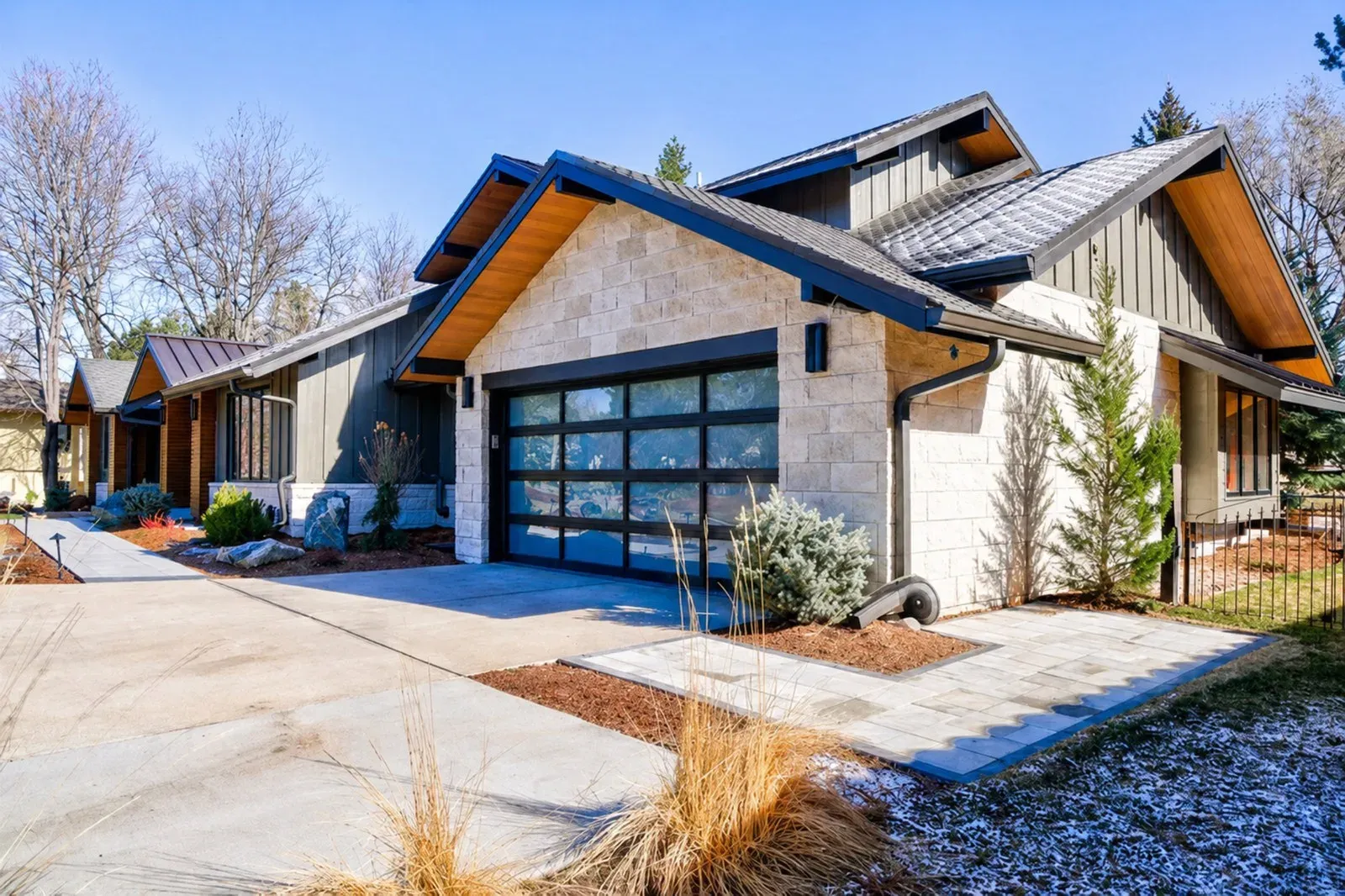
Steel doesn't burn, and in Colorado that's become more than a nice-to-have. With the state's wildfire code now in force across mapped foothills zones, homes in higher-risk areas need exterior walls that are noncombustible, ignition-resistant, or fire-retardant-treated — and steel checks the noncombustible box outright. That makes it one of the cleanest ways to satisfy code in fire country while getting a material that also shrugs off decades of sun and storms. If your property sits in or near a wildfire zone, steel is worth weighing alongside fire-treated wood.
Why Choose The Roofing & Siding Company for Steel Siding
Steel is only as good as the crew that hangs it, and The Roofing & Siding Company has installed durable exteriors across Denver and the Front Range. As a James Hardie Alliance Elite Contractor and LP SmartSide Preferred Contractor, we work in every siding material and can tell you honestly when steel is the right one and when it isn't. We're licensed, fully insured, BBB accredited, and a Team Dave Logan member, working from our shop at 6145 Broadway in Denver and serving Boulder, Littleton, Arvada, Golden, and the surrounding Front Range.
Signs Steel Siding Is the Best Move For Your Denver Home
Steel isn't the cheapest option, but for a lot of Front Range homes it's the one that ends the conversation for good. It tends to be the right fit when:
You're tired of repairing or repainting siding and want a material you can genuinely forget about
You're in hail country and want the toughest wall available
Your home is in a foothills wildfire zone that calls for noncombustible cladding
You want a clean, modern look that softer materials can't quite hold
You're staying in the home long-term and would rather buy siding once
You value a recyclable, long-life material over a disposable one
If several of these land, steel deserves a spot on your shortlist.
Getting Steel Right: What Separates Great From Average
Steel is a demanding material to install well. It's rigid, it moves noticeably with temperature, and it reveals a sloppy hand faster than softer sidings do, which is why, with steel, the crew matters every bit as much as the product. A great panel installed carelessly will underperform a modest one installed correctly.
Get the details right and steel is the last siding you'll buy. Get them wrong and you'll see it in waviness, noise, or finish problems that show up years early. Here's where the real work lives.
Managing Thermal Movement and Oil-Canning
Steel expands and contracts measurably as temperatures swing, and Colorado swings hard — a sunny winter afternoon to a subzero night. If panels are fastened too tightly, they can't move, and the result is "oil-canning": a visible waviness across flat sections that no one wants on a new wall. Preventing it is all technique — the right fastening system, correct spacing, and panels hung to float rather than pinch. It's invisible when it's done right and impossible to hide when it isn't.
Choosing the Right Gauge for Denver, Colorado
Gauge is where hail country earns a heavier spec. A thicker panel resists denting better and holds its shape over decades of temperature cycling, which matters more here than in milder climates. We help you weigh the step up in gauge against budget, factoring in your home's exposure — how much open sky and weather each elevation actually takes — so you're paying for strength where it counts rather than everywhere by default.
Cost and Financing for Steel Siding
Steel sits at the premium end of the siding range, and you're paying for genuine longevity — this is a decades-long material, not a ten-year one. Your number depends on the gauge and finish you choose, your home's size and detail, the profile, and how much old siding has to come off. You'll get an itemized written estimate before anything starts, and for larger projects we offer financing up to $100,000 through Upgrade, with terms from 1 to 15 years and a pre-approval check that won't affect your credit score.
How to Take Care of Steel Siding
Steel asks almost nothing of you once it's up, which is much of the appeal:
Rinse it now and then: an occasional hose-down keeps grime from dulling the finish — that's most of the maintenance there is.
Touch up deep scratches: the finish protects the steel, so sealing a rare deep gouge keeps everything performing.
No repaint cycle: the factory finish is the color, so you skip the repainting that painted materials demand every decade or so.
Ask about insulated backing: if quiet and efficiency matter to you, insulated steel panels soften sound and add R-value.
How Steel Compares to Your Other Options
vs. Aluminum
Both are metal, but steel is significantly harder and far more dent-resistant, while aluminum is lighter and can never corrode. For most Front Range homes that want a metal exterior, steel's toughness wins; aluminum earns its place mainly in repairs, matches, and specific details.
vs. Fiber Cement
Both are premium, long-lived materials. Fiber cement delivers a painted-wood look and is non-combustible; steel is tougher against impact and never needs repainting. The choice usually comes down to the look you want and whether you'd rather guard against cracking or against denting.
vs. Vinyl
This is the value-versus-longevity call. Vinyl wins the upfront price by a wide margin; steel wins the decade, lasting far longer and surviving weather that ends a vinyl wall early. If you're staying put, steel's longer life usually makes it the better lifetime value despite the higher sticker.
Steel Siding
Frequently asked questions
How long does steel siding last?
40 to 60 years is typical, with finish warranties commonly running 35 years or more.
Is steel siding good for hail-prone areas?
It is arguably the best choice there is. Steel stays intact and weathertight through storms that destroy vinyl and crack lesser materials.
Does steel siding rust?
No. Modern steel siding is galvanized and factory-finished, and cut edges are sealed during installation.


Finding a good contractor
shouldn't be hard
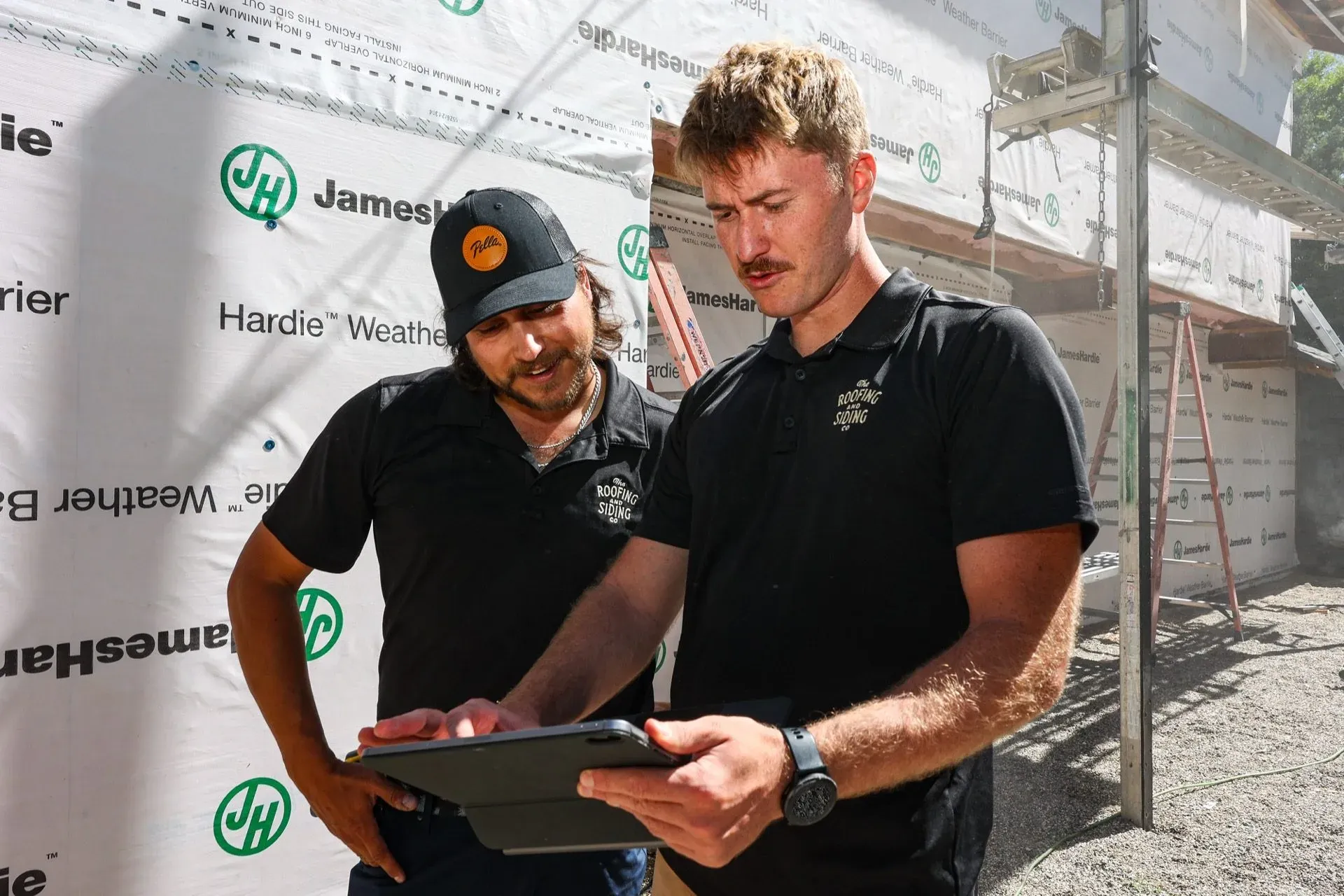
Living with a damaged roof or failing siding is stressful enough. But often, the 'fix' feels worse than the problem. The last thing you need is a pushy salesman trying to rip you off or a disorganized crew that you're forced to babysit because they won't communicate.
That's why we focus on making this process easy for you. Our professional team will provide the high-quality results you expect while keeping you informed every step of the way. Homeowners rate us 5 stars because we treat you and your property with the care you deserve.
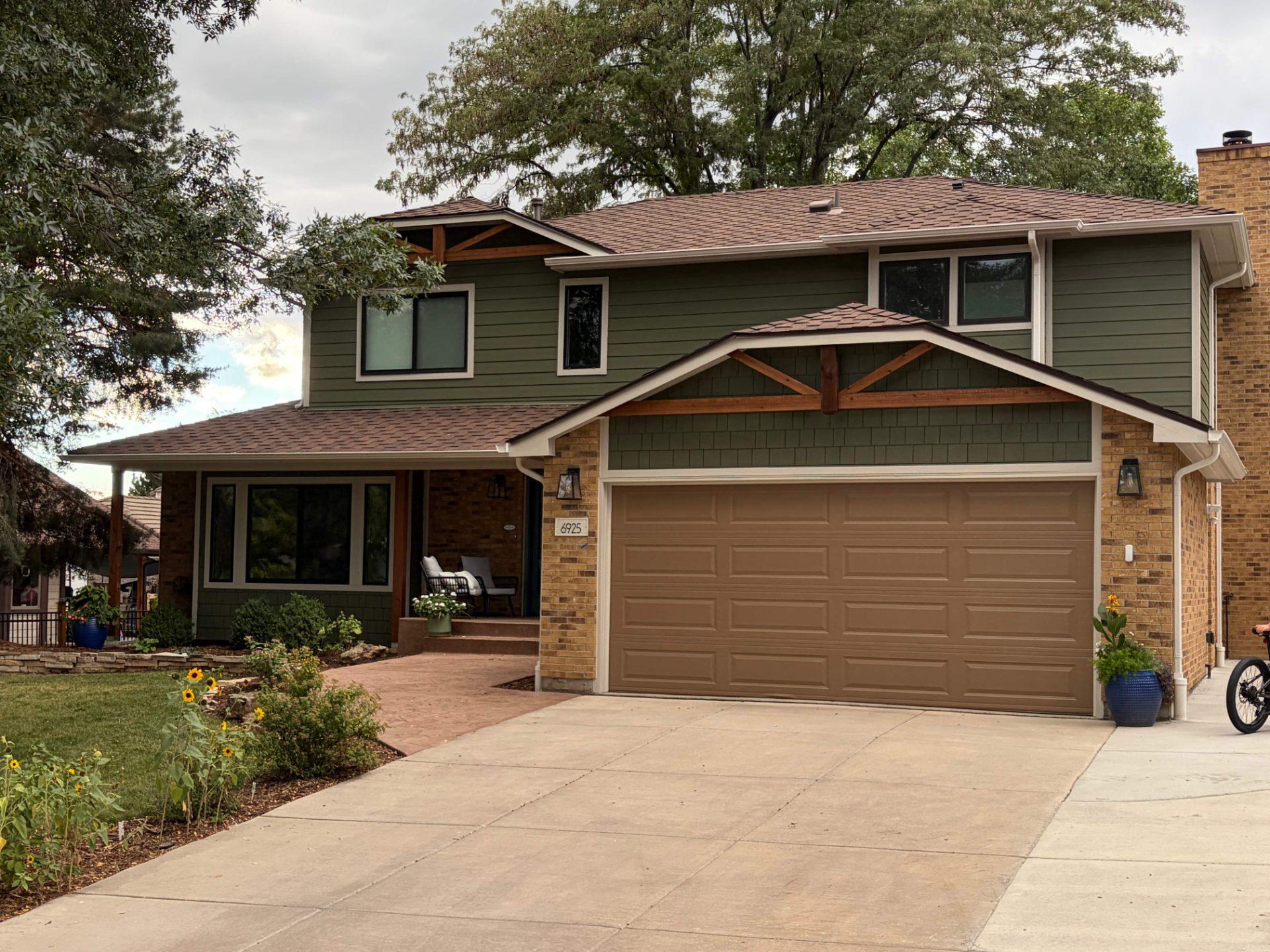
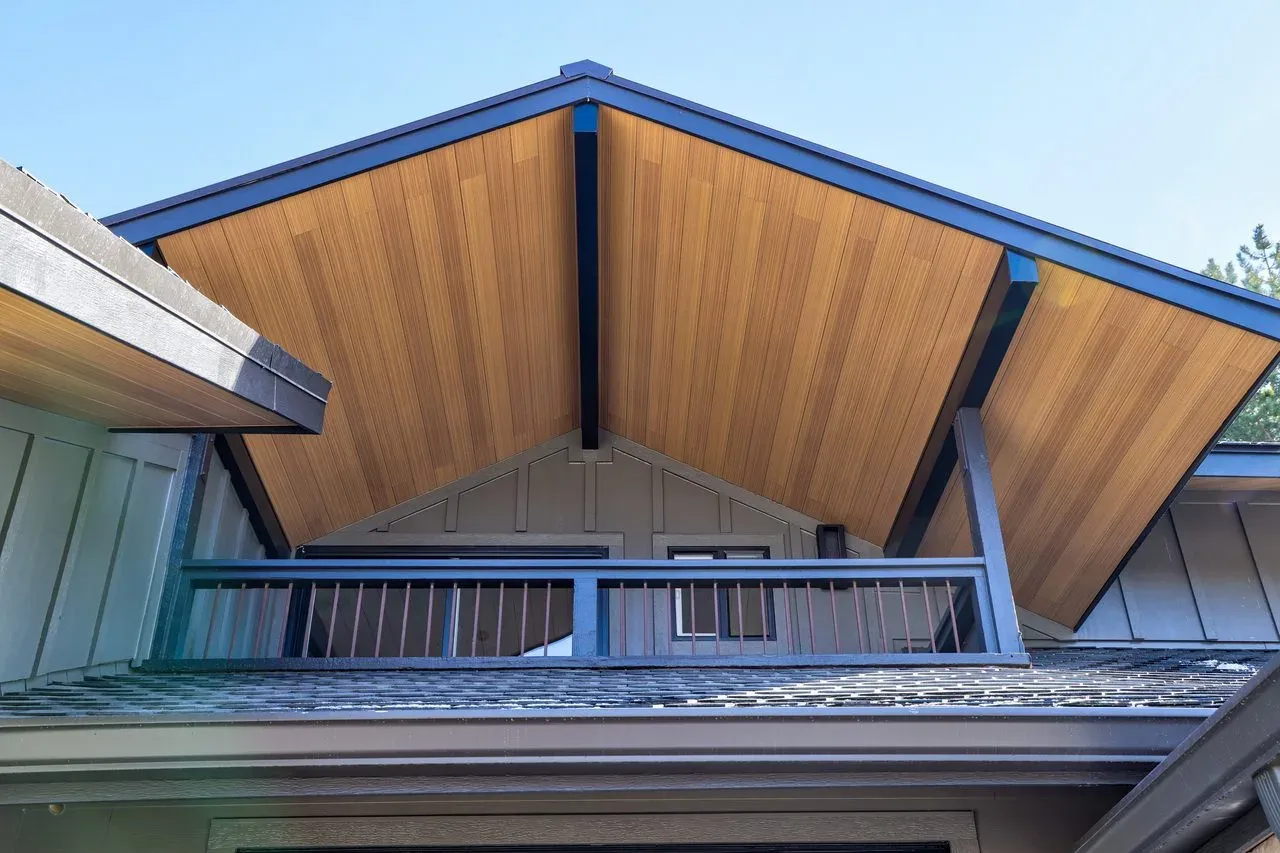
Bold looks that shrug off Colorado weather.
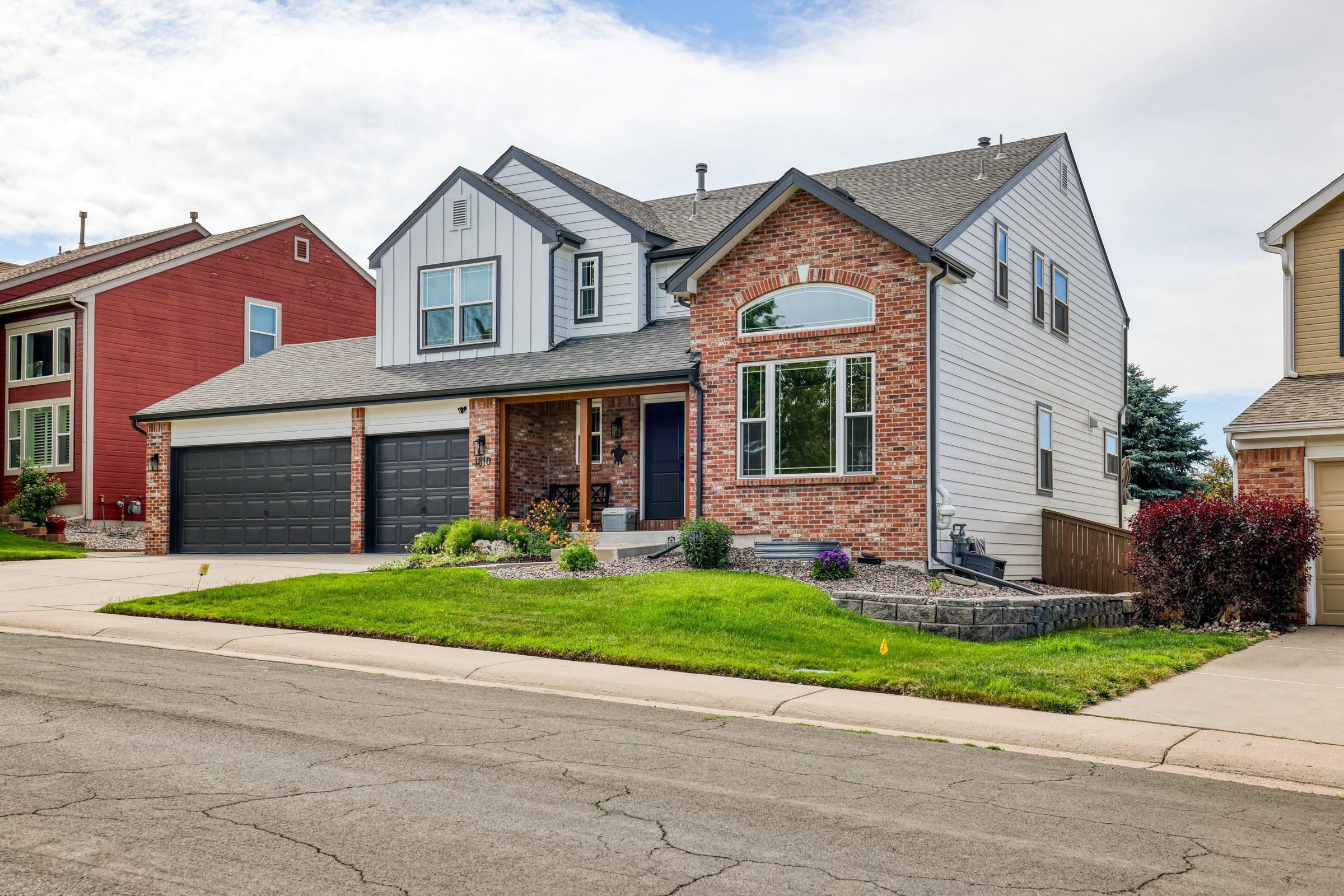
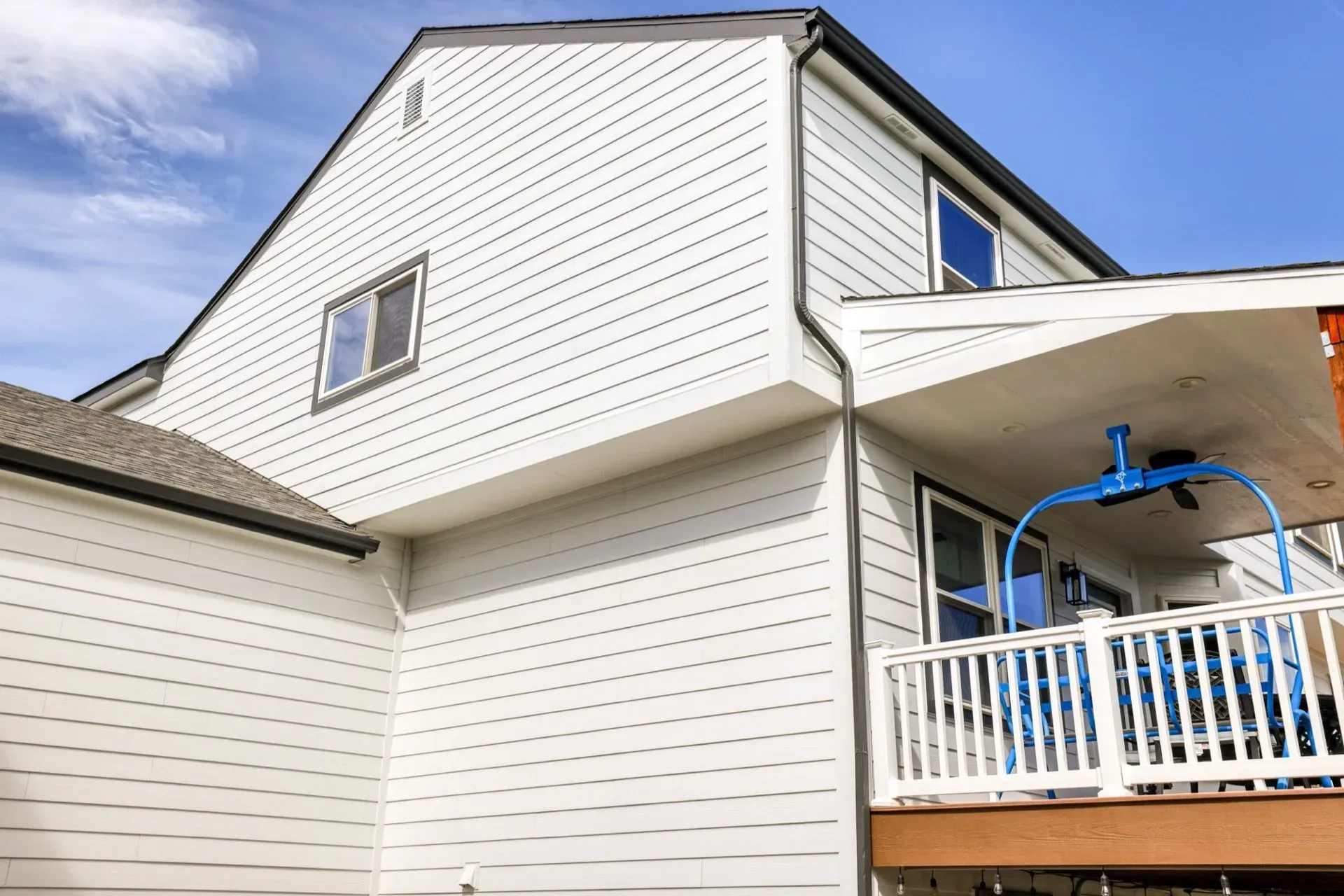
Lap and board-and-batten, done right.
Elite means vetted
A James Hardie
Alliance Elite Contractor
Factory-trained, quality-audited, and backed by the #1 name in fiber cement siding. When James Hardie puts their badge on our work, you can put your trust in it.
Explore James Hardie Siding