Home / Roofing / Roof Replacement
Roofing Services in Denver, CO
Roof Replacement
A roof here has a harder job than almost anywhere in the country. Hail, 100 mph gusts, intense UV at altitude, and 60-degree temperature swings. We replace roofs with systems engineered for exactly that, installed by crews who do this every day.
Roof Replacement in Denver, CO
Replacing a roof is one of the larger investments a homeowner makes, and unlike a burst pipe, it rarely announces itself with a single dramatic failure. More often a roof simply reaches the end of its life quietly — shedding granules, loosening its grip a little more each season — until it's no longer protecting the house the way it should. The Roofing & Siding Company replaces roofs across Denver and the Front Range, whether it's age, a hailstorm, or a failed home inspection that brought you here. Knowing whether you genuinely need a new roof, and deciding what to put back in its place, is where a good replacement actually starts. A free inspection will tell you exactly where yours stands.
Everything handled
What's included
- Free inspection with photo documentation
- Full tear-off down to the deck, never a layover unless it truly makes sense
- Deck repair, ice and water shield, synthetic underlayment
- GAF-certified installation with manufacturer-backed warranties
- Magnetic nail sweep and full cleanup, every day of the job
- Permit pulled, inspection passed, paperwork closed
Straight talk
Worth knowing first
Insurance may owe you a roof
If hail has hit your neighborhood in the last two years, your policy may cover most of a replacement. We document and meet your adjuster.
Layovers are usually a mistake
A second layer hides deck damage and voids many warranties. We will tell you straight if yours is the rare exception.
The cheapest bid costs the most
Underbid roofs skip underlayment, flashing, and ventilation. That is where roofs actually fail.
Simple process
How it works
Free estimate
We inspect, measure, photograph, and give you a detailed written quote. No pressure, no games.
Materials & schedule
Pick your products and colors with honest guidance, then get real dates you can plan around.
Done right
Certified installation, daily communication, full cleanup, and a walkthrough before we call it finished.
Pay over time
Financing up to $100,000 through Upgrade
Terms from 1 to 15 years, with 0% interest promotional options for qualified applicants. Checking your options takes a minute and does not affect your credit score.
Decisions Worth Making Before You Reroof
A replacement isn't just "the same roof, newer." With the old one coming off anyway, several choices are far cheaper to make now than later:
Stay or upgrade: reinstall the same material, or step up to impact-resistant, metal, or stone-coated steel while the labor's already in the budget.
Impact resistance: Class 4 materials can lower your insurance premium and survive the next storm — worth pricing while you're deciding.
Solar plans: if panels are in your future, coordinating now saves paying to remove and reinstall them down the road.
Skylights or roofline changes: any additions or alterations are dramatically easier and cheaper with the roof already open.
Color and look: a replacement is your one clean shot to change the whole look of the home from the roof down.
Insurers Are Watching Your Roof's Age
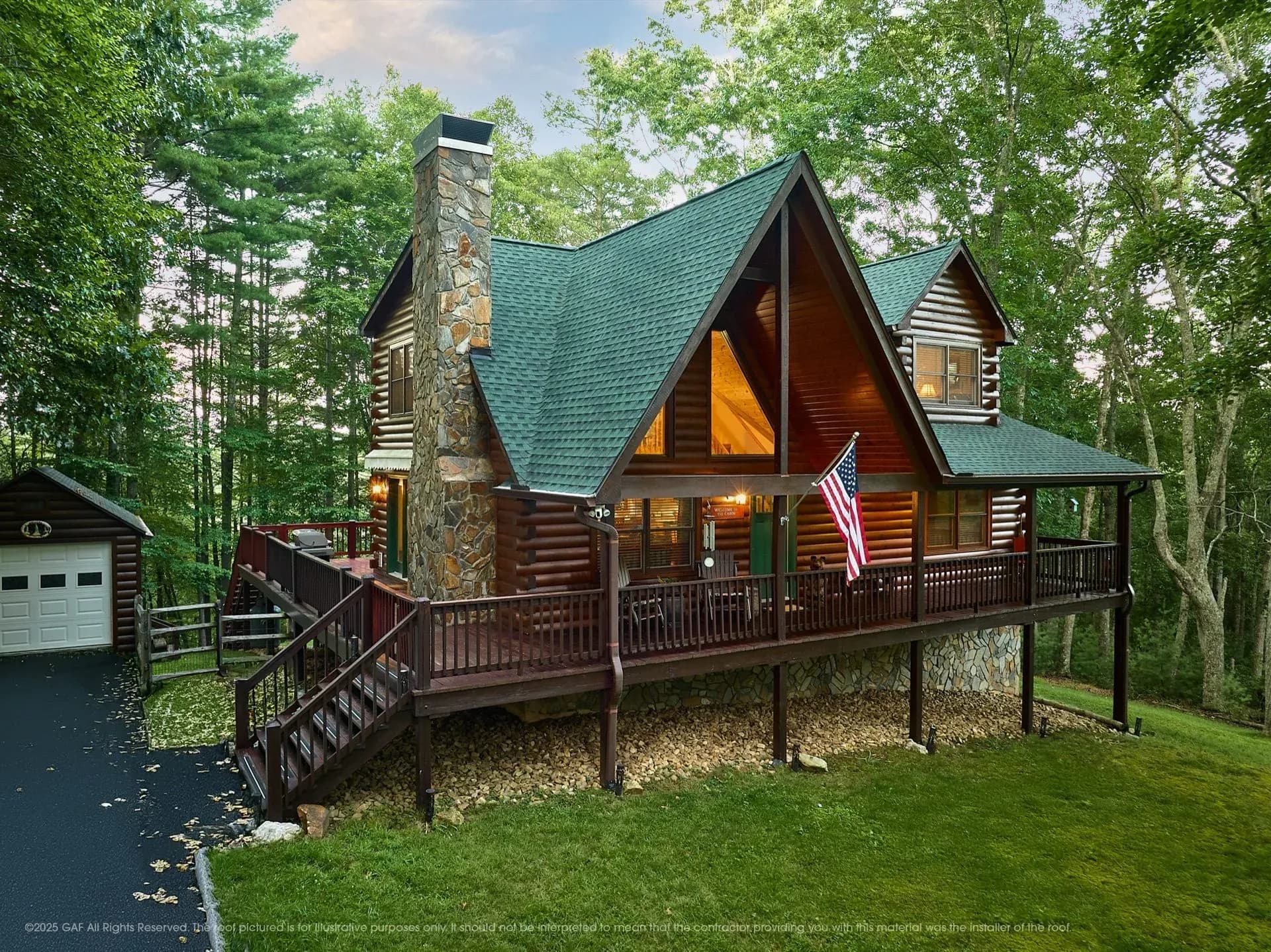
Here's a pressure a lot of homeowners don't see coming: insurance carriers have grown far stricter about roof age. In hail-battered Colorado, it's increasingly common for an insurer to non-renew a policy, decline to write a new one, or drop coverage to actual-cash-value once a roof passes a certain age — often somewhere around 15 to 20 years for asphalt. That can turn a roof you were comfortably putting off into one you suddenly need to keep the home insured or to close a sale. If you've received a letter from your carrier about your roof, you're far from alone, and replacing on your own timeline usually beats every alternative.
Why Choose The Roofing & Siding Company for Roof Replacement
A replacement is a roof you'll live under for decades, so the crew installing it matters as much as the shingle you pick, and The Roofing & Siding Company has been replacing them across Denver and the Front Range. As a GAF Certified Plus Contractor, we're factory-trained and audited, which is what lets us offer manufacturer warranties a non-certified installer simply can't. We're licensed, fully insured, BBB accredited, and a Team Dave Logan member, working from our shop at 6145 Broadway in Denver and serving Boulder, Littleton, Arvada, Golden, and the surrounding Front Range.
How to Know Your Roof Is Done
A roof rarely needs replacing on one bad day; it earns it over years. The real skill is telling genuine end-of-life from a problem a repair can still fix. These are the signals that usually tip toward replacement rather than another patch:
Age at or past the material's lifespan: a 20-plus-year-old asphalt roof is on borrowed time no matter how it looks from the curb.
Widespread granule loss: bald patches on the shingles and granules filling the gutters mean the protective layer is spent.
Recurring or multiplying leaks: when you're chasing a new leak every season, the roof is telling you the era of repairs is over.
Daylight or moisture in the attic: if water or light is getting through, the system has failed, not merely aged.
Choosing What Goes Back On
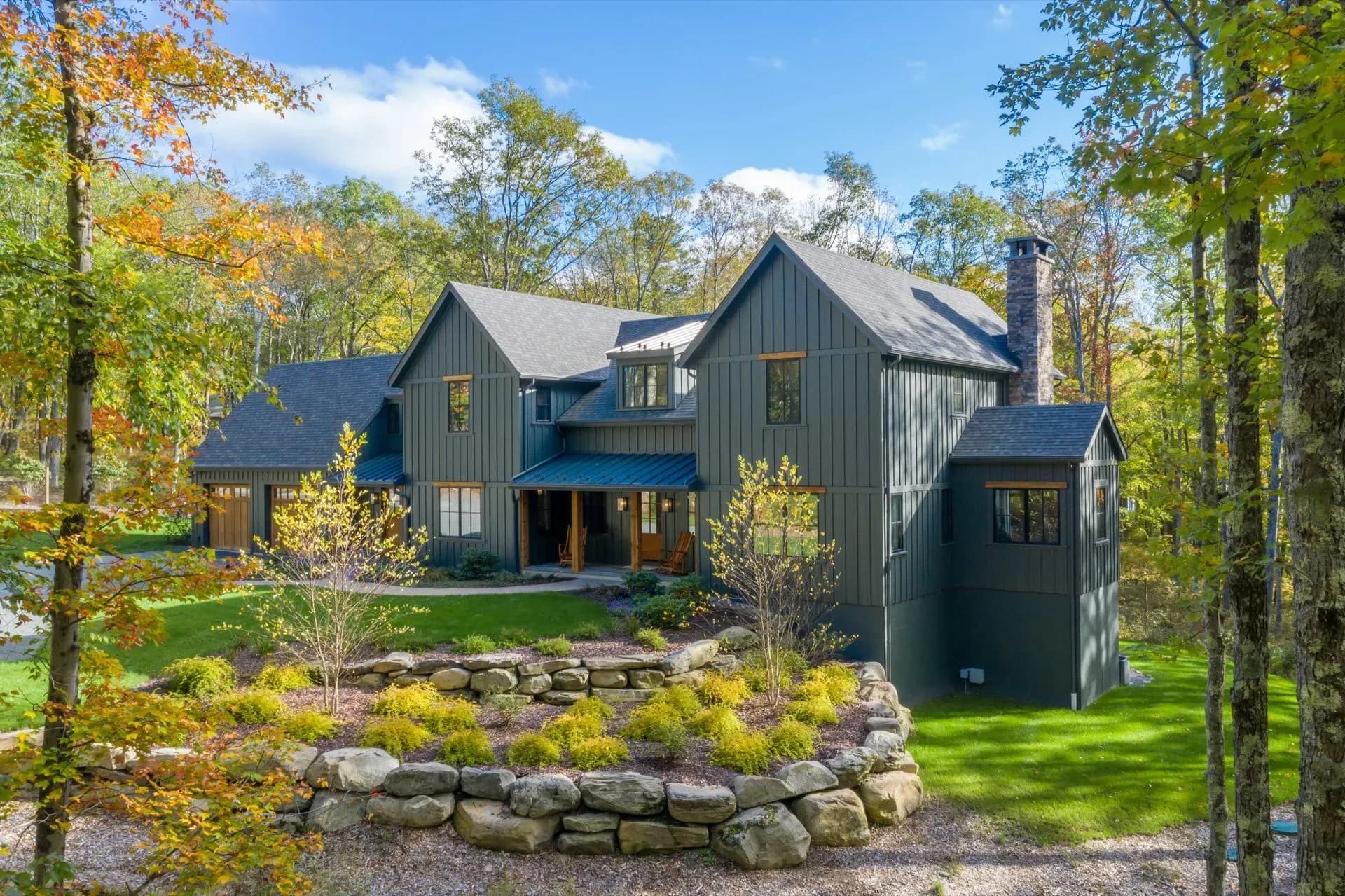
Once you've decided to replace, the next question is what to put back — and a replacement is the rare moment when switching materials costs far less than it would as a standalone project, because the tear-off and labor are already covered either way. That changes the math on upgrades that might otherwise feel out of reach.
Most homeowners weigh three paths: reinstall what they had, step up within the same material, or jump to a longer-lived system entirely. Here's how to think it through.
Reinstall, Step Up, or Switch Materials
The simplest path is like-for-like — a fresh version of the roof you know, and often the right call if budget or timeline leads. Stepping up means the same material in a better grade, such as moving to an impact-resistant architectural shingle. Switching materials is the bigger leap: trading asphalt for standing seam metal or stone-coated steel that can outlast two or three shingle roofs. We'll lay out the cost and lifespan of each against how long you plan to stay.
The Two Warranties on a New Roof
Every quality roof carries two separate warranties, and homeowners often only hear about one. The manufacturer's warranty covers the material itself against defects. A workmanship warranty — from the contractor — covers the installation, which is where the large majority of roof problems actually originate. Because we're a certified installer, we can also register enhanced, longer manufacturer warranties that cover the whole system, not just the shingles, and that a non-certified crew isn't able to offer at all. We'll spell out exactly what backs your specific roof.
Cost, Timing, and Financing
A replacement's cost is driven mostly by the material you choose, your roof's size and pitch, and its complexity — the valleys, penetrations, and steep sections that slow a crew down. Timing plays a role too: the shoulder seasons of spring and fall are busiest, while winter installs are entirely doable with the right precautions and often come with more scheduling flexibility. You'll get an itemized written estimate before work begins, and financing is available up to $100,000 through Upgrade, with terms from 1 to 15 years and a pre-approval check that won't affect your credit score.
What Replacement Day Looks Like at Your House
A roof replacement is fast but intense, and a little preparation makes it go smoothly:
It's loud: tear-off and nailing are genuinely noisy, so plan around it if you work from home or have small kids or pets who startle easily.
Clear the driveway: we'll need room for a dump trailer and for staging material close to the house.
Move what's precious: the vibration can rattle items on walls and shelves, and it's worth pulling vehicles out from under the roofline.
Flag the delicate stuff: we protect landscaping and your AC condenser, but pointing out prized plants or features ahead of time helps us guard them.
Most homes are back to normal within a day or two, crew gone and property cleaned.
What You Walk Away With
A Registered, Transferable Warranty
We don't just install your roof — we register the manufacturer warranty so it's actually in force and, in most cases, transferable to the next owner. That registration is a step budget crews routinely skip, and it's what makes the coverage real rather than theoretical.
Documentation You'll Be Glad to Have
You'll finish with a clean record: photos, an itemized invoice, permit sign-off, and warranty paperwork. It's exactly what a buyer's inspector, an appraiser, or your insurer will ask for down the line, and having it organized turns future questions into quick answers.
A Roof That Helps You Sell
A newer roof is one of the first things buyers and their inspectors check, and a recent replacement removes a major negotiating point before it comes up. It also keeps the home insurable, which — as more carriers tighten up on roof age — is quietly becoming a selling point of its own.
Roof Replacement
Frequently asked questions
How long does a roof replacement take?
Most residential roofs are torn off and finished in one to two days, weather permitting. Complex or steep roofs can take longer, and we will give you an exact plan before we start.
What shingles do you install?
We are GAF certified and install GAF Timberline architectural shingles as our standard, along with stone-coated steel and standing seam metal for homeowners who want a lifetime system.
Will you work with my insurance company?
Yes. We document the damage, meet the adjuster on your roof, and make sure the approved scope actually covers the work your home needs.




Finding a good contractor
shouldn't be hard
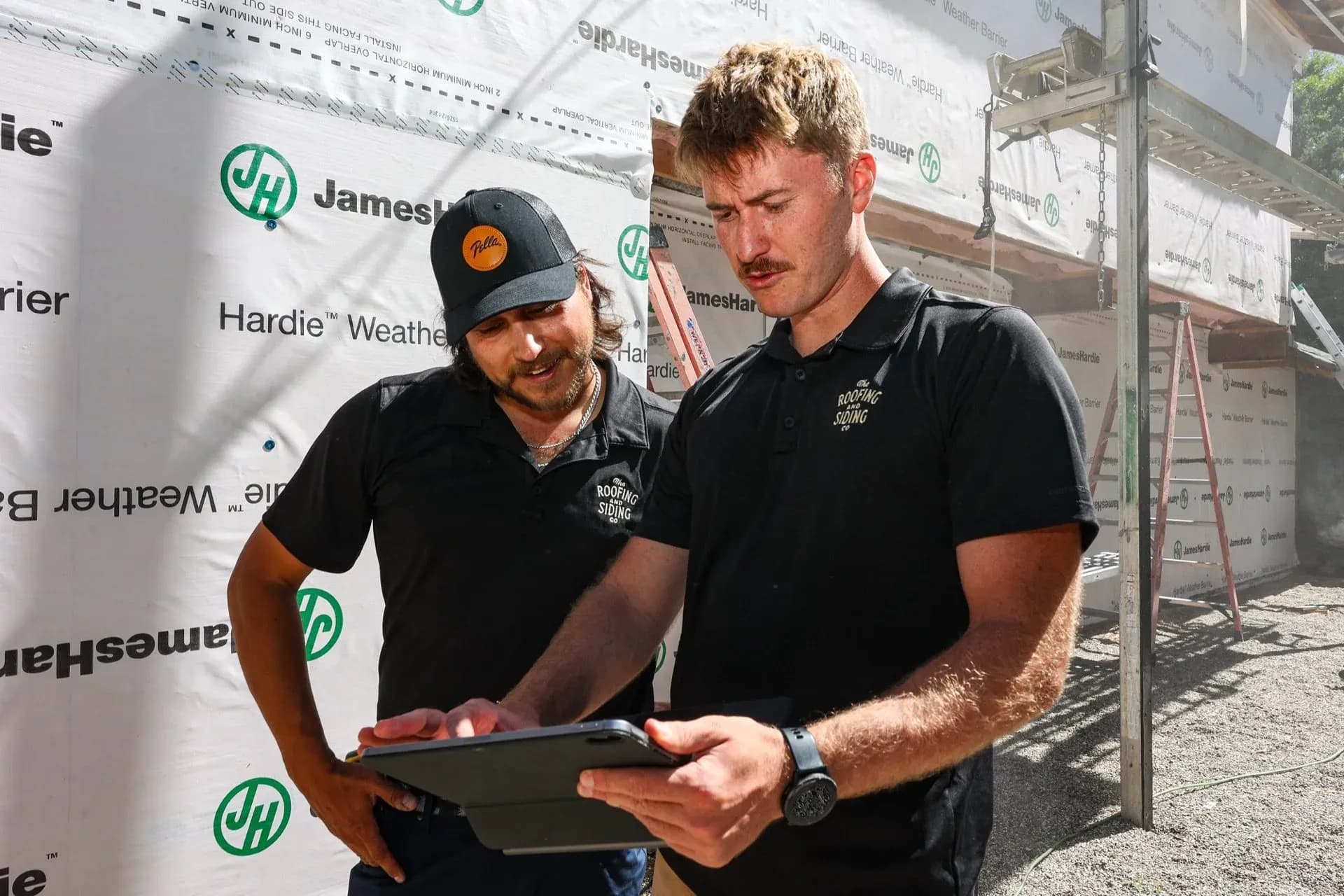
Living with a damaged roof or failing siding is stressful enough. But often, the 'fix' feels worse than the problem. The last thing you need is a pushy salesman trying to rip you off or a disorganized crew that you're forced to babysit because they won't communicate.
That's why we focus on making this process easy for you. Our professional team will provide the high-quality results you expect while keeping you informed every step of the way. Homeowners rate us 5 stars because we treat you and your property with the care you deserve.
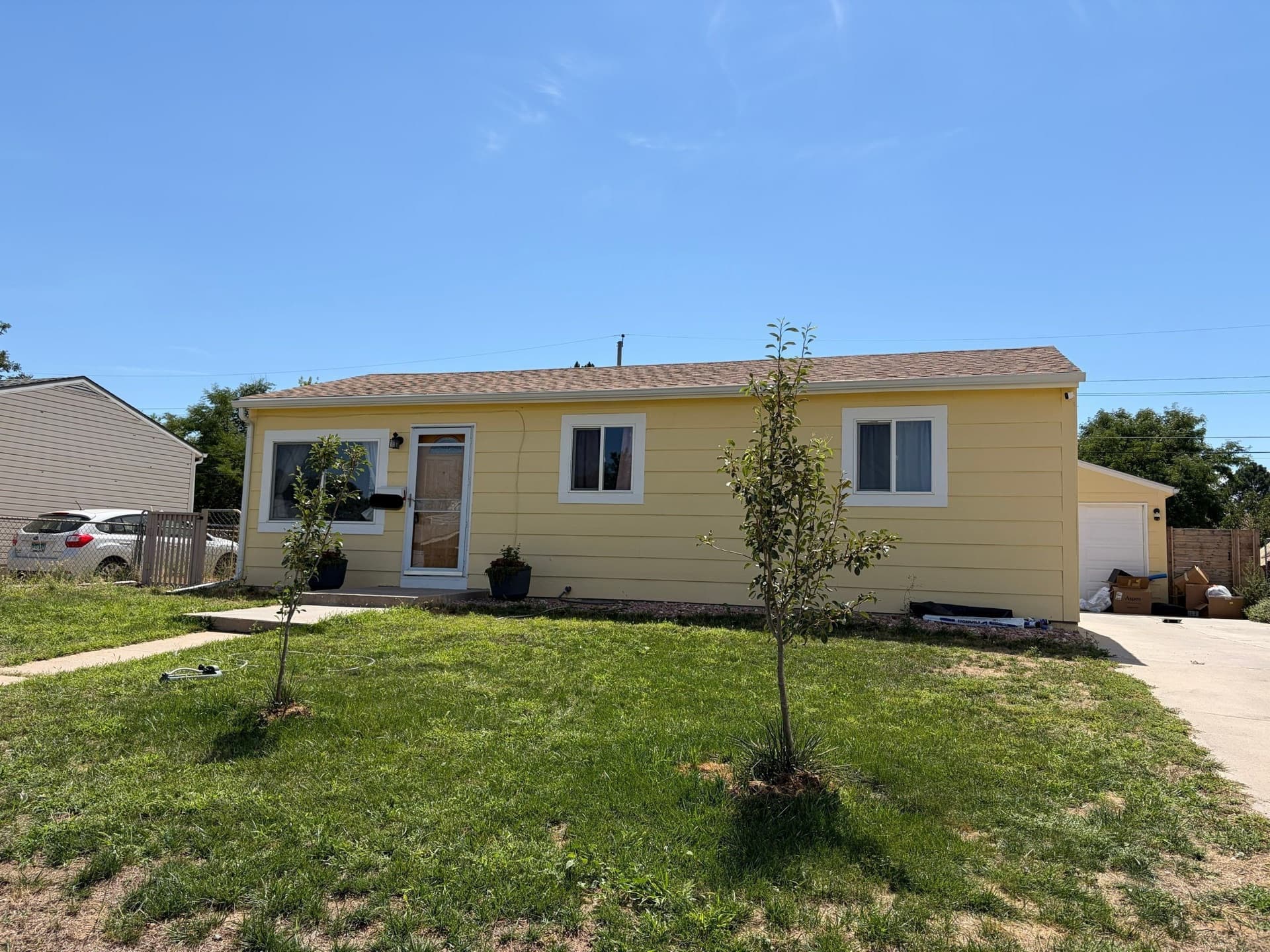
Every roof leaves our hands storm-ready.
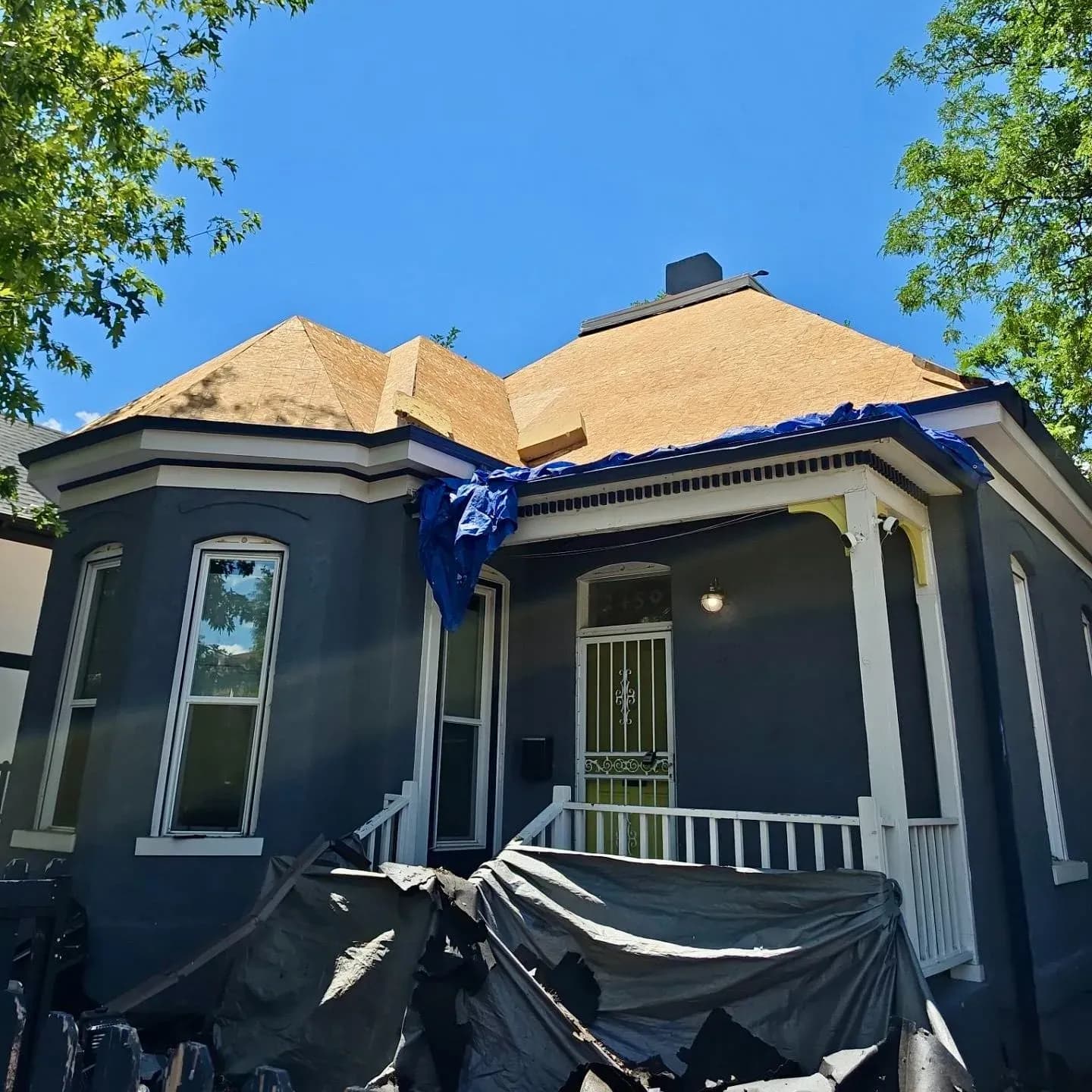
Shingle and steel, detailed to the inch.
Elite means vetted
A James Hardie
Alliance Elite Contractor
Factory-trained, quality-audited, and backed by the #1 name in fiber cement siding. When James Hardie puts their badge on our work, you can put your trust in it.
Explore James Hardie Siding