Siding Services in Denver, CO
Vinyl Siding
Vinyl is the most affordable path to a fresh exterior, and modern vinyl is better than its reputation. We install quality lines with proper technique, and we will tell you plainly where vinyl makes sense in hail country and where it does not.
Vinyl Siding in Denver, CO
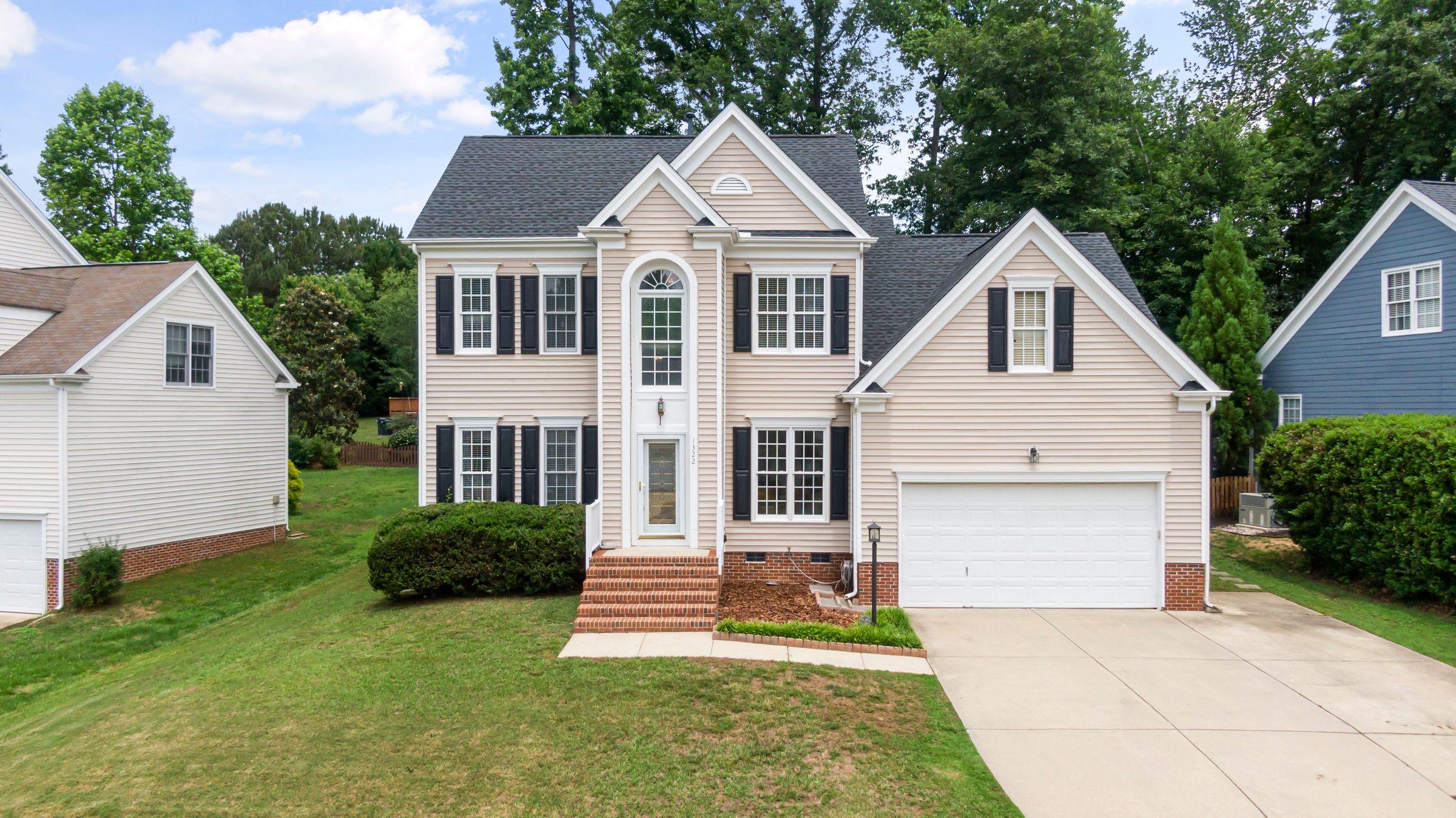
Vinyl gets dismissed more than it deserves. Modern vinyl siding — PVC panels that lock together in overlapping courses — has come a long way from the brittle, sun-faded stuff that earned it a bad name, and for the right home it delivers a clean, maintenance-free exterior at the lowest entry price in siding. The Roofing & Siding Company installs quality vinyl across Denver and the Front Range, and because we install every other material too, we'll tell you honestly where it's a smart choice and where something tougher earns its keep. It's one of the full range of siding services we offer. Book a free estimate whenever it's convenient.
Everything handled
What's included
- Quality vinyl lap, shake, and board and batten profiles
- Insulated vinyl options for better impact and energy performance
- Proper expansion-gap installation that keeps panels flat
- Full trim and accessory packages
- Straight talk about hail expectations before you sign
Straight talk
Worth knowing first
Hail is vinyl's weakness
Cold-weather hail cracks vinyl. Insulated panels and thicker gauges help, but we will not pretend it is hail-proof.
Installation shows in July
Vinyl nailed tight buckles in summer heat. Correct expansion gaps are non-negotiable on our crews.
Thickness tiers matter
Builder-grade .040 panels and premium .046 panels are different products. We quote the difference so you can choose.
Simple process
How it works
Free estimate
We inspect, measure, photograph, and give you a detailed written quote. No pressure, no games.
Materials & schedule
Pick your products and colors with honest guidance, then get real dates you can plan around.
Done right
Certified installation, daily communication, full cleanup, and a walkthrough before we call it finished.
Pay over time
Financing up to $100,000 through Upgrade
Terms from 1 to 15 years, with 0% interest promotional options for qualified applicants. Checking your options takes a minute and does not affect your credit score.
What is Vinyl Siding?
Vinyl siding is made primarily from PVC, formed into panels that interlock and hang on the wall with deliberate room to move. The quality differences that matter aren't obvious at a glance, so they're worth knowing before you shop:
Color runs all the way through: unlike painted siding, vinyl's color is baked into the material, so a scratch or scuff doesn't reveal a different shade underneath.
Single vs. double layer: better vinyl uses a co-extruded capstock — a tougher outer layer bonded over the substrate — for improved weather and UV resistance.
UV inhibitors: modern formulations include additives that resist fading far better than the vinyl of twenty years ago.
It never needs paint: the finish is the material itself, so vinyl skips the repaint cycle that wood-look products require.
Vinyl and Colorado's Wildfire Code
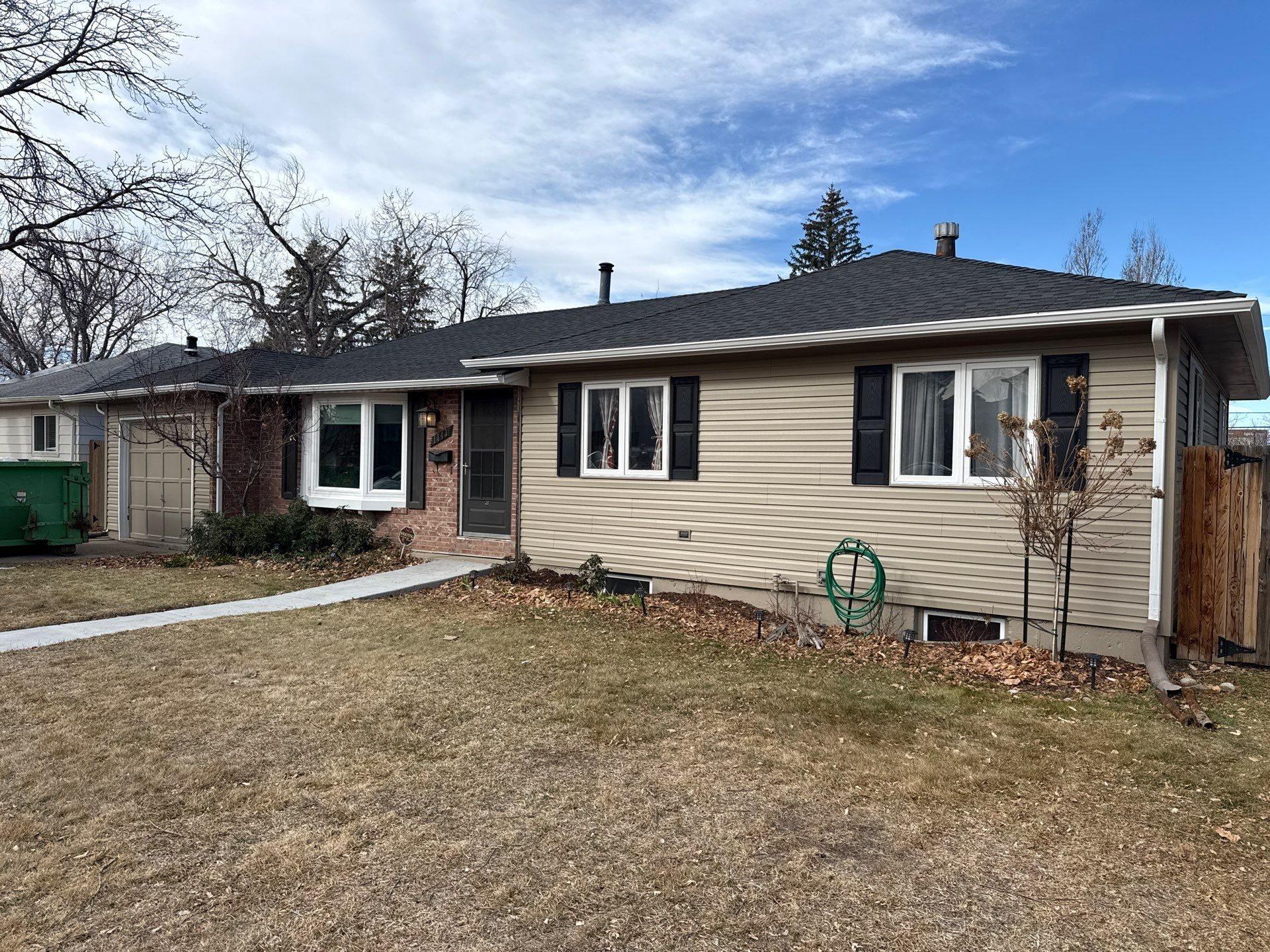
One thing we'll always flag: if your home is in a mapped foothills wildfire zone, vinyl is the one common siding that generally won't satisfy Colorado's wildfire code on its own. Under the code's structure-hardening rules, exterior walls in higher-risk areas must be noncombustible, ignition-resistant, or fire-retardant-treated wood — and vinyl only qualifies when installed over a separate fire-rated wall assembly. For most foothills homes, that makes vinyl the wrong tool, and we'll tell you so. Down in the metro and suburbs, outside those zones, it's a different and perfectly reasonable conversation.
Why Choose The Roofing & Siding Company for Vinyl Siding
Plenty of companies will install vinyl; fewer will tell you the truth about it, and The Roofing & Siding Company has built its name on that honesty across Denver and the Front Range. As a James Hardie Alliance Elite Contractor and LP SmartSide Preferred Contractor, we install every siding material — so our read on vinyl isn't the pitch of a company that only sells one thing. We're licensed, fully insured, BBB accredited, and a Team Dave Logan member, working from our shop at 6145 Broadway in Denver and serving Boulder, Littleton, Arvada, Golden, and beyond.
When Vinyl Siding Is Right For Your Denver Home
Vinyl gets unfairly dismissed. For the right home and the right goals, it's a smart, sensible choice. It tends to make sense when:
You want the lowest-cost path to a fresh, uniform exterior
You're updating a rental, a flip, or a home you don't plan to keep long-term
Your home sits outside the foothills wildfire zones
You want a maintenance-free exterior you never have to repaint
You'd rather steer budget toward other upgrades and still get a clean look
You're re-siding elevations that don't take the brunt of direct weather
If that sounds like your situation, vinyl may be exactly right — and we'll help you buy a good version of it.
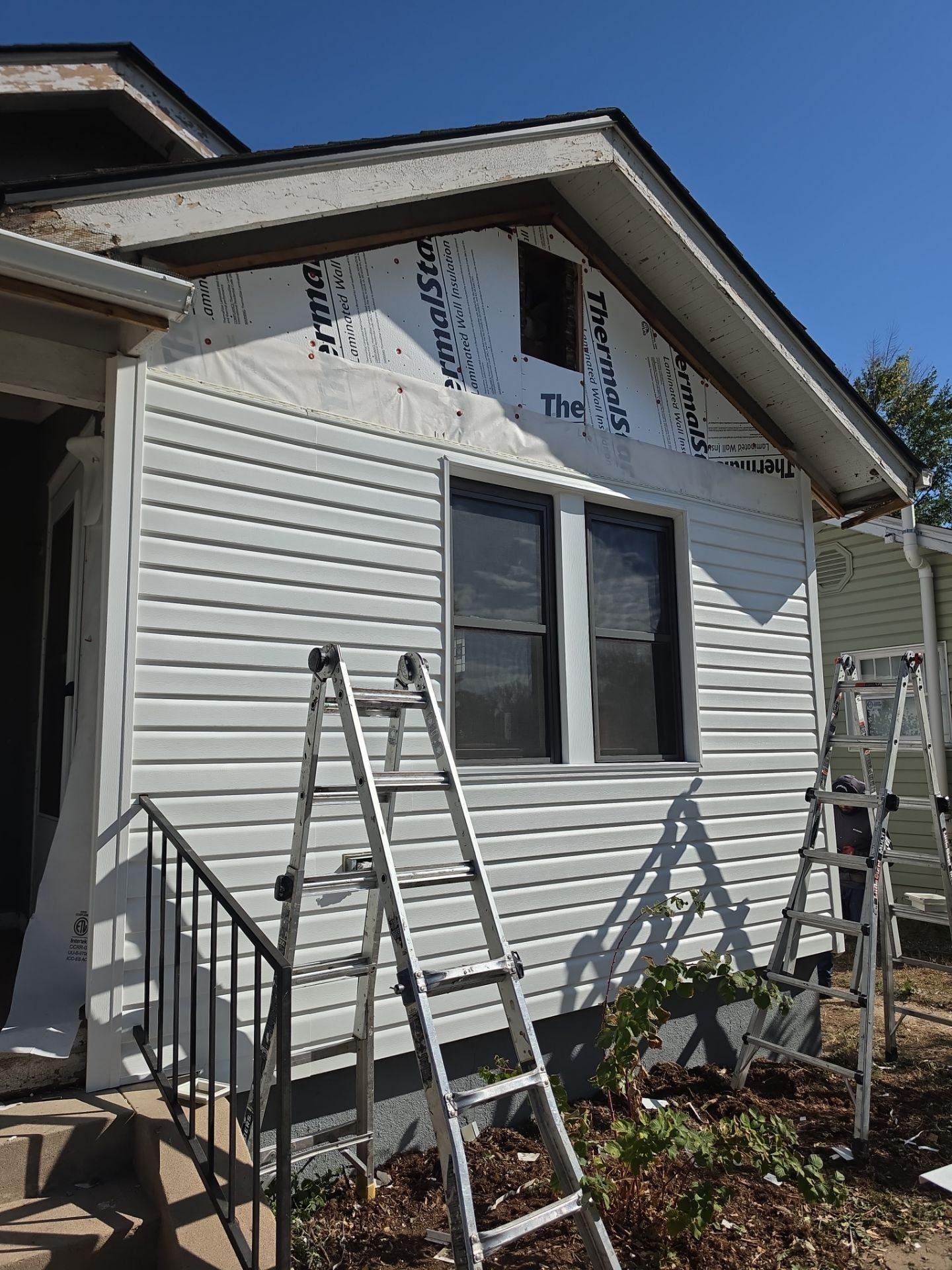
The Benefit of Vinyl: Low-Maintenance and Repairable
Vinyl's biggest day-to-day advantage is how little it asks of you. It never needs painting, it doesn't rot or feed insects, and keeping it looking sharp is mostly a matter of rinsing it off now and then. For a lot of homeowners, that hands-off quality is the whole point — a clean exterior they can genuinely stop thinking about.
It's also one of the more forgiving sidings when something does go wrong, since damage is usually localized rather than systemic. Here's what ownership actually looks like.
Cleaning and Maintaining Vinyl
Vinyl maintenance is about as light as siding gets. An occasional rinse with a hose, or a gentle wash with a soft brush and mild soap, keeps the finish looking fresh. In shaded, damp spots — north walls, under heavy trees — you may see some mildew, but it wipes off easily and doesn't damage the material. There's no sanding, no caulking cycle, and no repainting ever, which is a big part of why people choose it.
Replacing a Damaged Panel
When a panel cracks or takes a hit, vinyl has a real advantage: individual panels can be unzipped and swapped out without redoing the wall. The one catch is color. Vinyl mellows slightly with sun exposure over the years, so a brand-new panel can read a touch brighter than its neighbors. Keeping a few leftover pieces from your original installation is the easy fix, and something we'll set aside for you when we do the job.
Cost and Financing for Vinyl Siding
Vinyl is the value leader in siding, but there's still a real range within it — driven by the grade you choose, whether you go with insulated panels, your home's size, and how much trim and detail the job involves. We quote the tiers honestly so you can see what the step up buys you rather than defaulting to the cheapest box. You'll get an itemized written estimate before we start, and for larger projects we offer financing up to $100,000 through Upgrade, with terms from 1 to 15 years and a pre-approval check that won't affect your credit score.
Vinyl and Resale: An Honest Take
Vinyl does the job and modern lines look good, but it's worth knowing how it plays when you sell. In plenty of neighborhoods it's completely expected and buyers won't give it a second thought. In higher-end pockets, some buyers read premium materials like fiber cement or steel as a signal that a home has been maintained to a higher standard, and vinyl can leave a little value on the table. None of that makes vinyl the wrong choice — it makes it a choice worth matching to your neighborhood and your timeline, and we'll give you our honest read for your specific block.
How Vinyl Stacks Up Against the Alternatives
vs. Fiber Cement
Fiber cement costs more, but it reads as premium, stands up to impact and fire far better, and lasts longer. Vinyl wins decisively on upfront price and on never needing maintenance. It's the classic value-versus-longevity trade, and the right answer depends on how long you're staying.
vs. Engineered Wood
Engineered wood gives you an authentic wood look and noticeably better durability at a mid-range price. Vinyl is cheaper and lower-maintenance, but up close it looks more like what it is. If the real-wood appearance matters to you, the step up is worth pricing out.
vs. Steel
Steel is vinyl's opposite on durability: dramatically tougher, far longer-lived, and non-combustible, at a higher price. If longevity and resilience top your list, steel; if the upfront budget is the deciding factor, vinyl. Both are honest choices for different priorities.
Vinyl Siding
Frequently asked questions
Is vinyl siding a good choice in Colorado?
It can be, for the right budget and expectations. It is the most affordable option and modern lines look good, but hail is a genuine risk we will walk you through honestly.
How long does vinyl siding last here?
20 to 30 years absent major hail. A single severe storm can shorten that dramatically, which is why insurance and material choice go hand in hand.
What does vinyl cost compared to fiber cement?
Vinyl typically runs 30 to 40 percent less installed. We will quote both so you are comparing real numbers, not rules of thumb.



Finding a good contractor
shouldn't be hard
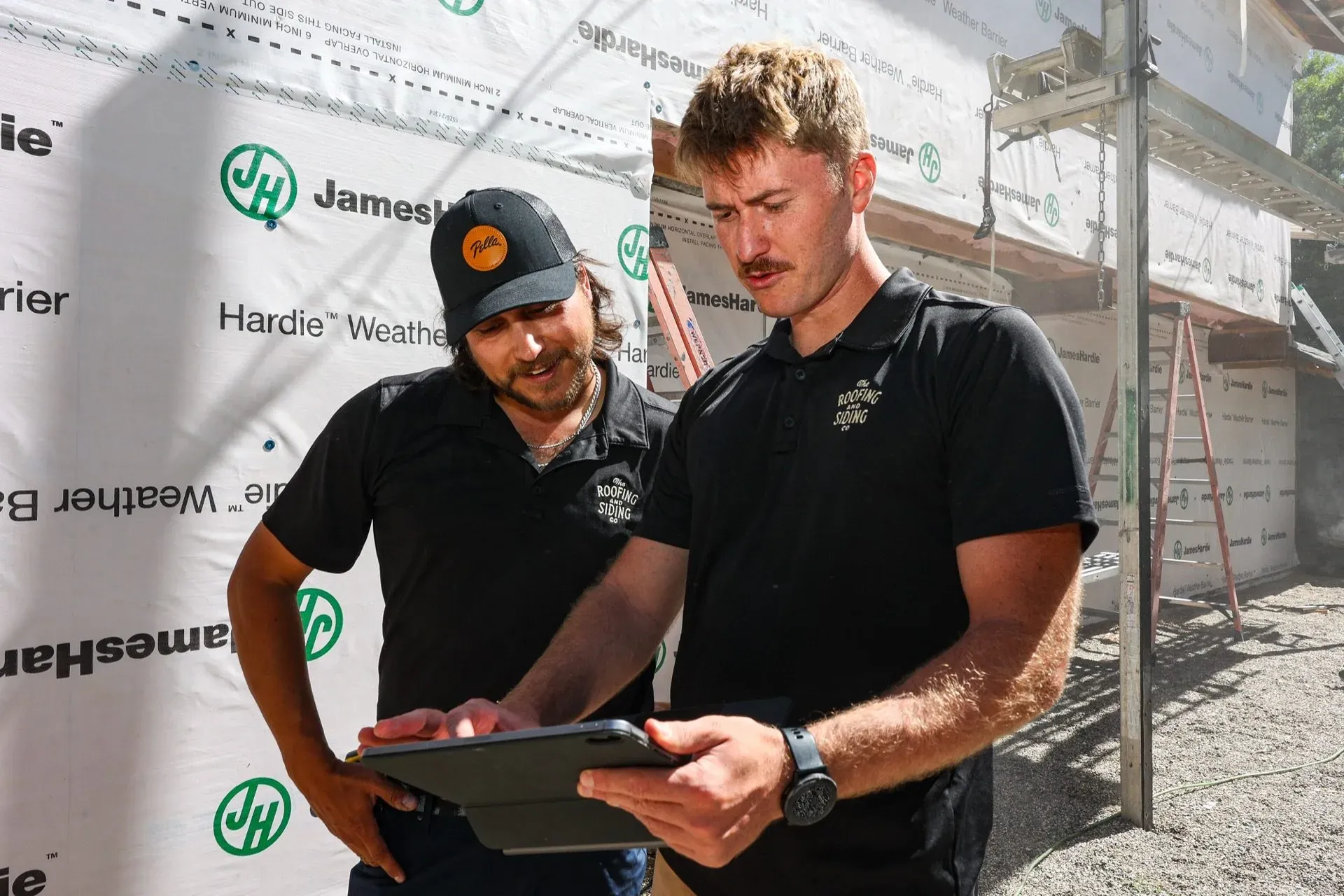
Living with a damaged roof or failing siding is stressful enough. But often, the 'fix' feels worse than the problem. The last thing you need is a pushy salesman trying to rip you off or a disorganized crew that you're forced to babysit because they won't communicate.
That's why we focus on making this process easy for you. Our professional team will provide the high-quality results you expect while keeping you informed every step of the way. Homeowners rate us 5 stars because we treat you and your property with the care you deserve.
Bold looks that shrug off Colorado weather.
Lap siding, done right.
Elite means vetted
A James Hardie
Alliance Elite Contractor
Factory-trained, quality-audited, and backed by the #1 name in fiber cement siding. When James Hardie puts their badge on our work, you can put your trust in it.
Explore James Hardie Siding