Home / Windows
Window Services in Denver, CO
Replacement Windows Installed Right
Upgrade your home with Pella windows and a ProVia front door. Our Denver window installers provide beauty, energy efficiency, noise reduction, and high-quality results, certified by both manufacturers.
Windows in Denver, CO
You notice bad windows every day — the cold seat by the glass in January, the room that bakes by three in the afternoon come July, the muffled rattle when the wind pours down off the foothills. Good windows do the opposite: they simply disappear, leaving an even, quiet, comfortable room and a lighter energy bill behind them.
The Roofing & Siding Company installs and replaces windows for homes across Denver and the Front Range, working with Pella and ProVia, two manufacturers whose glass and frames are genuinely engineered for a climate this demanding. As a certified installer for both, we fit the right window to your home and set it to last — because even the finest window fails in a poorly sealed opening. A free estimate is the place to begin.
What we do
Window services
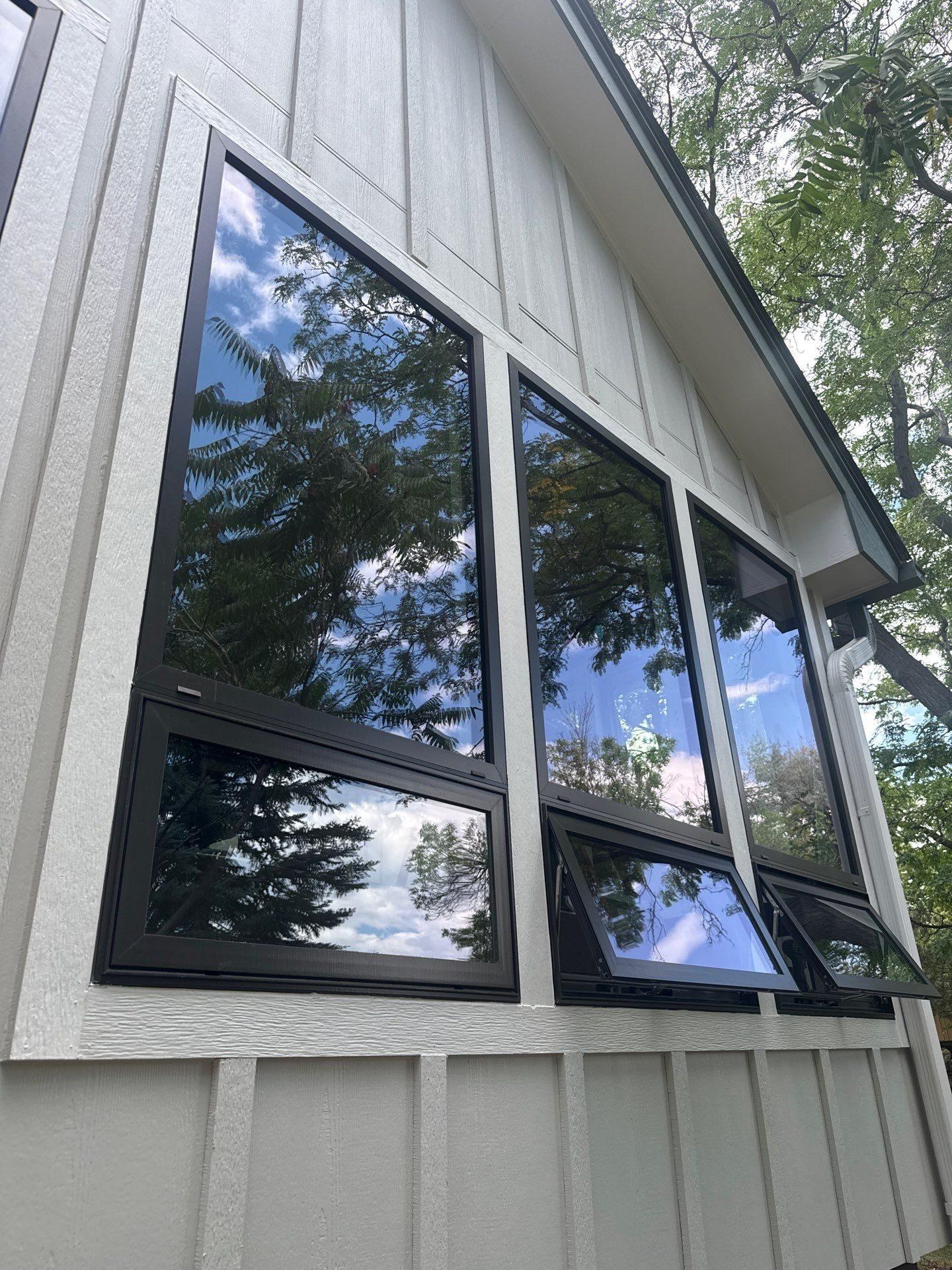
Window Replacement
Colorado asks a lot of a window: minus 10 in January, 95 in July, and UV all year. We replace failing windows with Pella and ProVia units sized and…
Learn morePella Windows
Pella has been building windows since 1925, and it shows. Wood, fiberglass, and vinyl lines across every style, with glass packages tuned for…
Learn more
ProVia Windows
ProVia made its name on professional-grade entry doors, and its windows carry the same overbuilt DNA. Heavy vinyl frames, serious glass packages, and…
Learn morePay over time
Financing up to $100,000 through Upgrade
Terms from 1 to 15 years, with 0% interest promotional options for qualified applicants. Checking your options takes a minute and does not affect your credit score.
Signs It's Time to Replace Your Windows
Windows tend to fail slowly enough that you learn to live with the symptoms far longer than you should. It's worth acting when you notice:
Heating and cooling bills climbing with no other explanation
A cold draft you can feel near the glass on a windy day
Frost or condensation forming on the inside of the panes in winter
Fog or moisture trapped between the panes, a sure sign of a failed seal
Sashes that stick, won't stay open, or rattle in the wind
Floors, rugs, and furniture fading from unchecked sunlight
Any two or three of these together usually mean it's time for an assessment.
Why Windows Work Harder at Altitude
A window in Denver faces conditions most of the country never throws at one. The thinner air at this elevation carries noticeably stronger UV, so unprotected glass lets in the ultraviolet light that fades floors, rugs, and furniture, and a good Low-E coating stops being optional. Altitude affects the window itself, too: sealed glass units are filled with insulating gas at the factory, and the pressure difference this high up is real enough that quality manufacturers engineer their units to handle it. Add daily temperature swings that can run 60 degrees, and you've got a climate that quietly destroys cheap windows and rewards well-built ones. The details simply matter more here than at sea level.
Why Choose The Roofing & Siding Company for Windows
A window only performs as well as the opening it's set into, and The Roofing & Siding Company has been fitting them true and airtight across Denver and the Front Range. We're a Pella Certified Contractor installing both Pella and ProVia, so the window we recommend is the one that suits your home and budget, not the single brand we happen to carry. We're licensed, fully insured, BBB accredited, and a Team Dave Logan member, working from our shop at 6145 Broadway in Denver and serving Boulder, Littleton, Arvada, Golden, and the surrounding Front Range. We'll help you choose windows you'll be glad you bought for years to come.
What Separates a Good Window From a Cheap One
The brand on the sticker matters less than the four things underneath it, which together decide how a window holds up through a Colorado year:
Frame material: vinyl, fiberglass, or wood — each differs in how well it insulates and how much it expands and contracts as temperatures swing.
Glass package: the number of panes, the Low-E coatings, and the insulating gas sealed between them set how much heat and UV get through.
Seals and spacers: the edge components that keep the gas in and moisture out — and whose failure is exactly what fogs a window from the inside.
The installation: the flashing, insulation, and air sealing around the frame, where a great window is either made airtight or quietly wasted.
Choosing the Right Windows for Your Home
The best window for your home comes down to your priorities — budget, appearance, maintenance, and how long you plan to stay — and every real decision starts with the frame material, since it shapes efficiency, looks, and cost all at once. Get that choice right and the rest of the decisions fall into place naturally.
We carry Pella and ProVia specifically because, between them, they span the full range: professional-grade vinyl, premium fiberglass, and authentic wood interiors. The details below are the ones that decide which window is actually right for you, whether you're doing a whole-home replacement or starting with a few problem openings.
Frame Materials: Vinyl, Fiberglass, and Wood
Vinyl is the value leader — efficient, durable, and maintenance-free, ideal for straightforward replacements on a budget. Fiberglass is the quiet overachiever: exceptionally strong, it barely moves with temperature swings and holds slim, clean sightlines that let in more glass. Wood brings warmth and authenticity that historic and high-end homes call for, usually with a low-maintenance clad exterior protecting it from the weather. Each has a clear place, and the right one depends on your home's style, your budget, and how much you value real wood on the inside. We'll walk you through the trade-offs against your actual openings.
Making Sense of Glass Packages
The glass does most of a window's real work, and two numbers tell the story: U-factor, which measures how well it insulates (lower is better), and SHGC, which measures how much solar heat it lets in. Low-E coatings are microscopically thin layers that reflect heat and block UV, and the space between panes is filled with argon or krypton gas for extra insulation. In Colorado, a strong Low-E and gas-filled package is what turns a window into a genuine barrier against the cold and the high-altitude sun, rather than just a sealed hole in the wall.
Window Cost and Financing
Window projects are priced mostly by the number of openings, the frame material and glass package you choose, and whether each opening needs a simple insert or a full-frame replacement. A whole-home project costs more up front but usually earns a better per-window price. You'll get an itemized written estimate before anything is ordered, and financing is available up to $100,000 through Upgrade, with terms from 1 to 15 years and a pre-approval check that won't affect your credit score.
Benefits of New Windows In Your Denver Home
Energy savings get the headlines, but a good replacement quietly improves a home in several ways at once:
Quieter rooms: multiple panes and a tight seal noticeably cut the noise from a busy street or the wind off the foothills.
Protected interiors: Low-E coatings block much of the UV that fades floors, art, and furniture over the years.
Effortless operation: new sashes open, tilt in for cleaning, and latch smoothly, unlike a painted-shut old window.
Added value: new windows are a visible upgrade buyers and appraisers both reward, and one of the more reliable exterior improvements at resale.
The Two Brands We Install
Pella: Range and Refinement
Pella brings the widest lineup — wood, fiberglass, and vinyl across nearly every style and shape. It's the choice when you care about matching an architectural look, want real wood interiors, or are after options a single-material brand can't offer.
ProVia: Overbuilt Value
ProVia builds professional-grade vinyl that's noticeably heavier and tighter than big-box windows, priced between builder vinyl and premium fiberglass. It's the smart-money pick when you want serious performance without a premium invoice.
Why We Install Both
No single brand is right for every home. Carrying both Pella and ProVia lets us recommend by fit — your style, budget, and priorities — rather than steering you toward whatever we happen to stock. The result is the right window for your house, not our inventory.
Window questions
Frequently asked questions
When should I replace my windows?
Drafts, condensation between panes, sashes that stick or will not stay open, and rooms that never hold temperature. If two or more sound familiar, it is time for an assessment.
Do you install windows in winter?
Yes. Each opening is exposed only briefly and sealed weathertight the same day, so replacement happens year-round in Colorado.
What brands do you carry?
Pella and ProVia windows and doors, installed by certified crews so the manufacturer warranties hold.



Finding a good contractor
shouldn't be hard
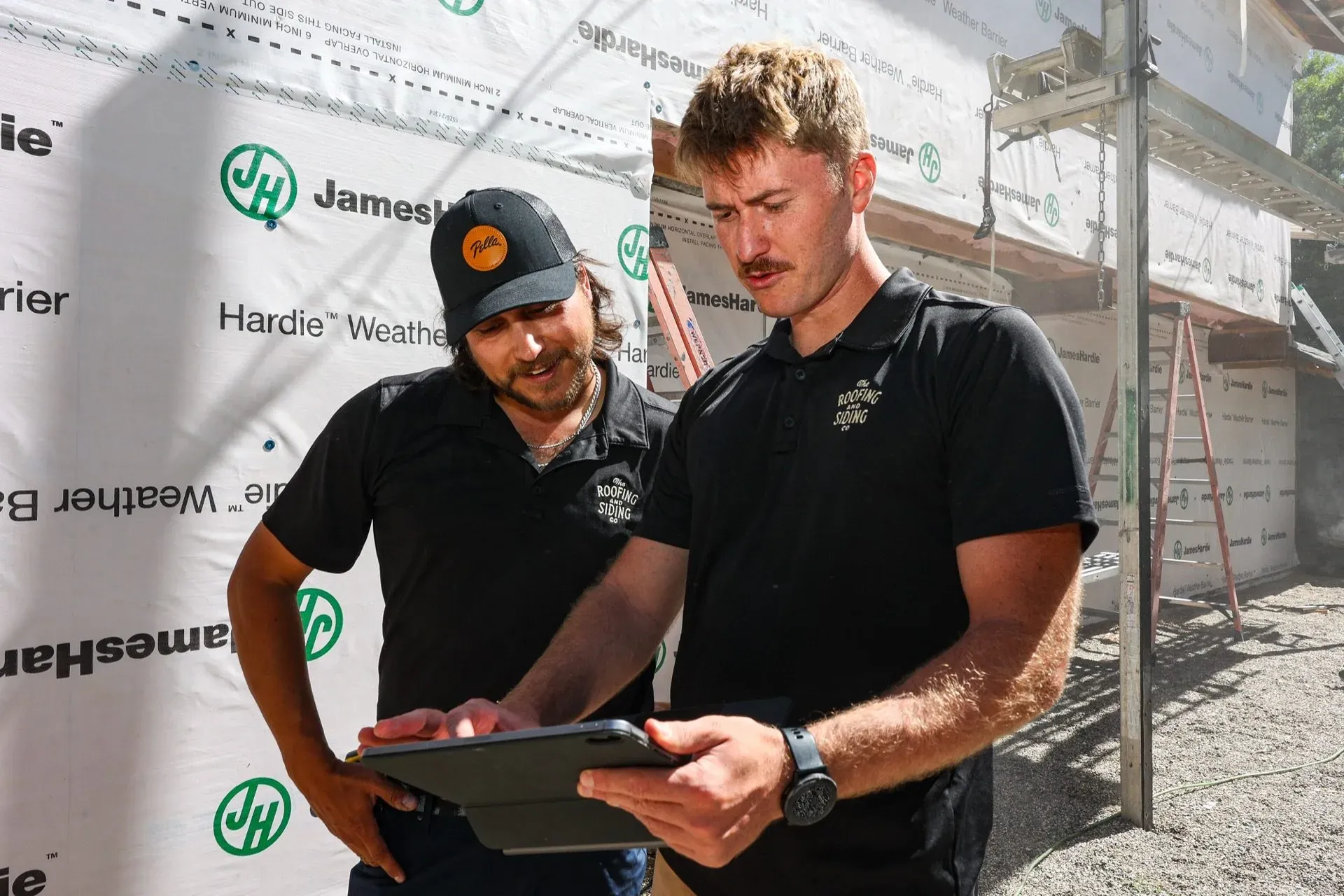
Living with a damaged roof or failing siding is stressful enough. But often, the 'fix' feels worse than the problem. The last thing you need is a pushy salesman trying to rip you off or a disorganized crew that you're forced to babysit because they won't communicate.
That's why we focus on making this process easy for you. Our professional team will provide the high-quality results you expect while keeping you informed every step of the way. Homeowners rate us 5 stars because we treat you and your property with the care you deserve.
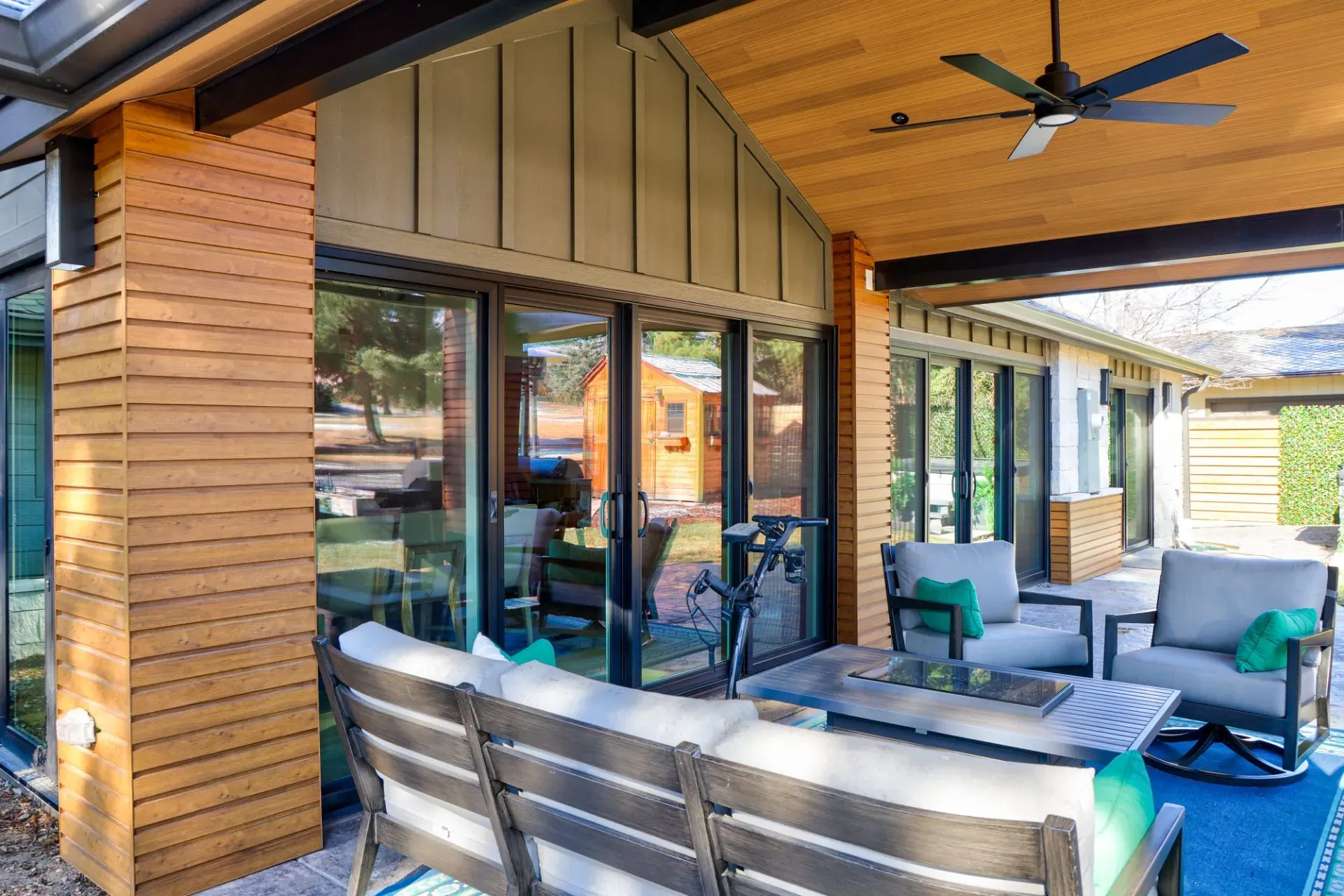
Light in. Drafts out.
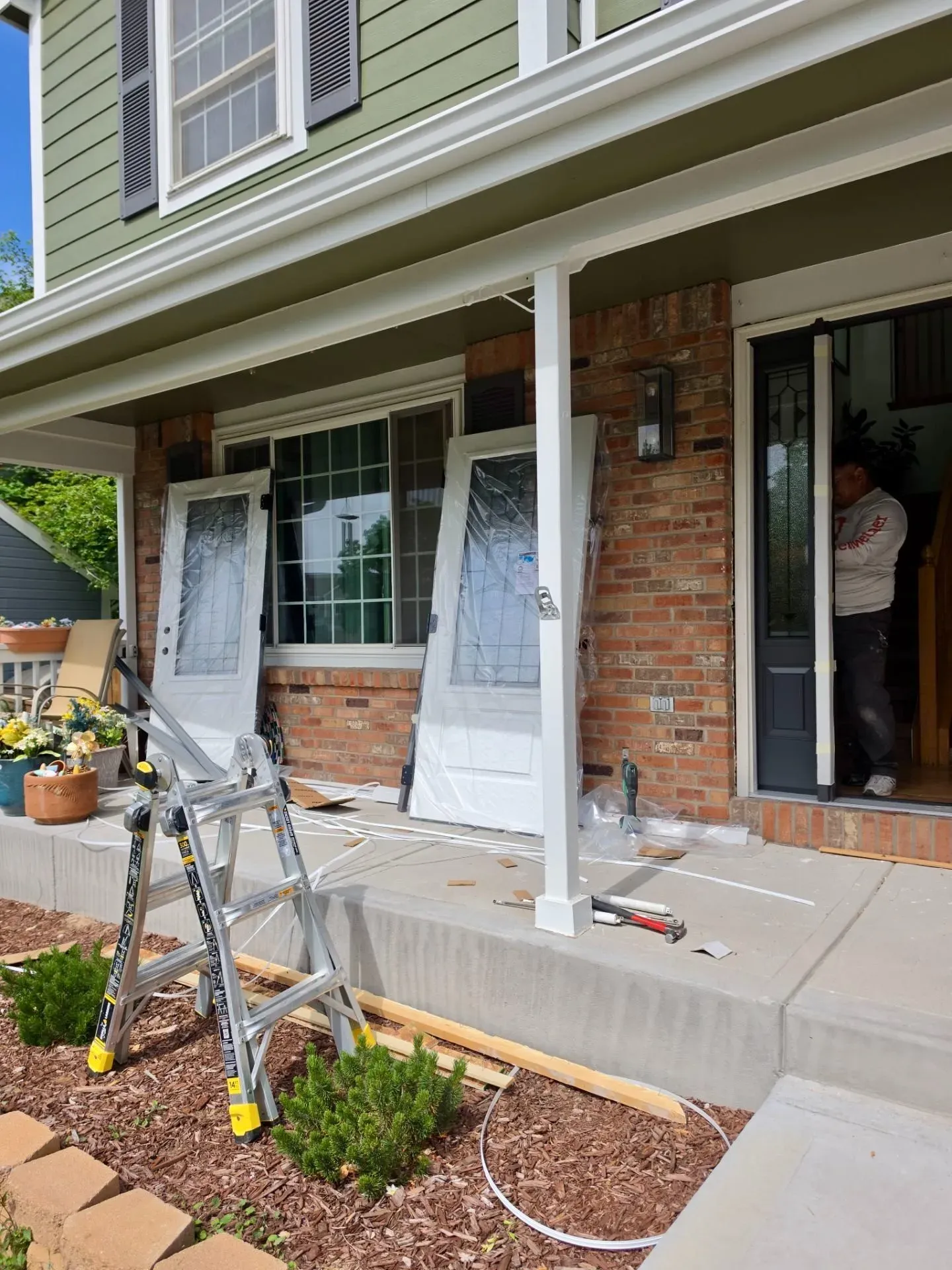
Precision-set, sealed, and squared.
Elite means vetted
A James Hardie
Alliance Elite Contractor
Factory-trained, quality-audited, and backed by the #1 name in fiber cement siding. When James Hardie puts their badge on our work, you can put your trust in it.
Explore James Hardie Siding