Metal Roofing in Denver, CO
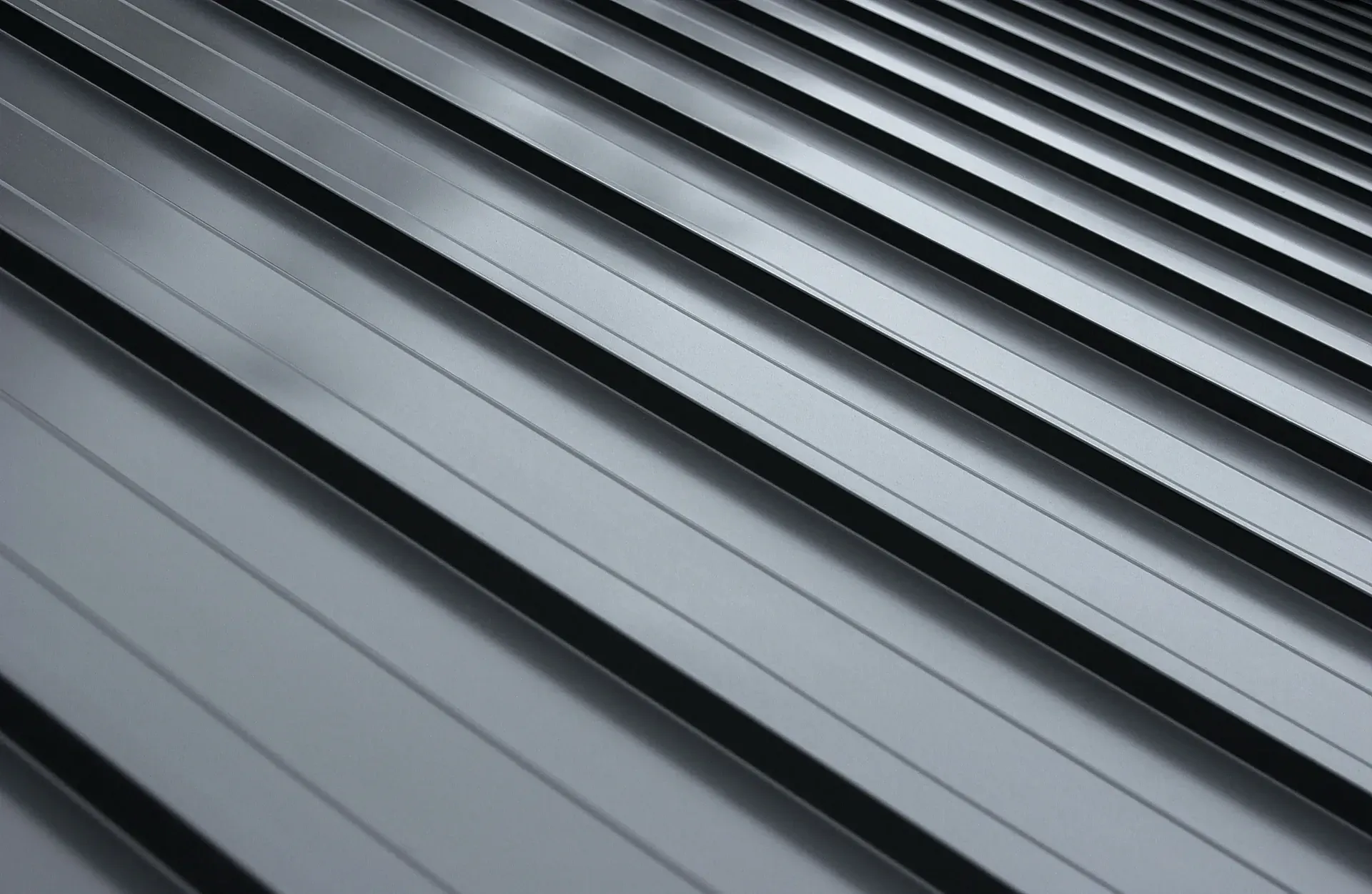
For a lot of homeowners, a metal roof is the last roof they'll ever pay for. Where an asphalt roof is a twenty-year decision, standing seam metal is measured in generations, and that longevity quietly reframes the whole way you weigh the purchase. The Roofing & Siding Company designs and installs standing seam metal roofs across Denver and the Front Range, for homeowners who'd rather stop replacing their roof for good. There's far more variety inside the word "metal" than most people expect — different base metals, seam styles, and finishes that each change the price, the look, and the result. If you're weighing whether the step up is worth it, a free estimate is the clearest way to find out.
Everything handled
What's included
- Standing seam panel systems, site-measured and precision cut
- Concealed fastener installation, no exposed screws to leak
- Snow retention systems for foothills and mountain homes
- High-temp underlayment rated for metal assemblies
- Full trim, flashing, and penetration detailing
Straight talk
Worth knowing first
Exposed-fastener metal is not the same thing
Screw-down panels are a barn product. Standing seam's concealed clips are what make a metal roof last 50 years.
Metal moves
Panels expand and contract daily. Clip systems that allow movement are the difference between a quiet roof and an oil-canned one.
Great for solar
Standing seam accepts clamp-on solar mounts with zero roof penetrations.
Simple process
How it works
Free estimate
We inspect, measure, photograph, and give you a detailed written quote. No pressure, no games.
Materials & schedule
Pick your products and colors with honest guidance, then get real dates you can plan around.
Done right
Certified installation, daily communication, full cleanup, and a walkthrough before we call it finished.
Pay over time
Financing up to $100,000 through Upgrade
Terms from 1 to 15 years, with 0% interest promotional options for qualified applicants. Checking your options takes a minute and does not affect your credit score.
Signs Metal Roofing Is Worth the Investment in Denver
Metal costs more up front, and for the right homeowner it's worth every dollar. It tends to make sense when:
You plan to stay in your home long-term and want to buy a roof exactly once
You're tired of re-roofing after every few bad hail seasons
Your home is in a foothills wildfire zone that calls for non-combustible materials
You want a clean, architectural look that asphalt can't deliver
You're interested in adding solar, now or somewhere down the road
You value energy efficiency and a roof that reflects Colorado's intense high-altitude sun
If several of those ring true, metal earns a serious look.
The Energy Side of a Metal Roof
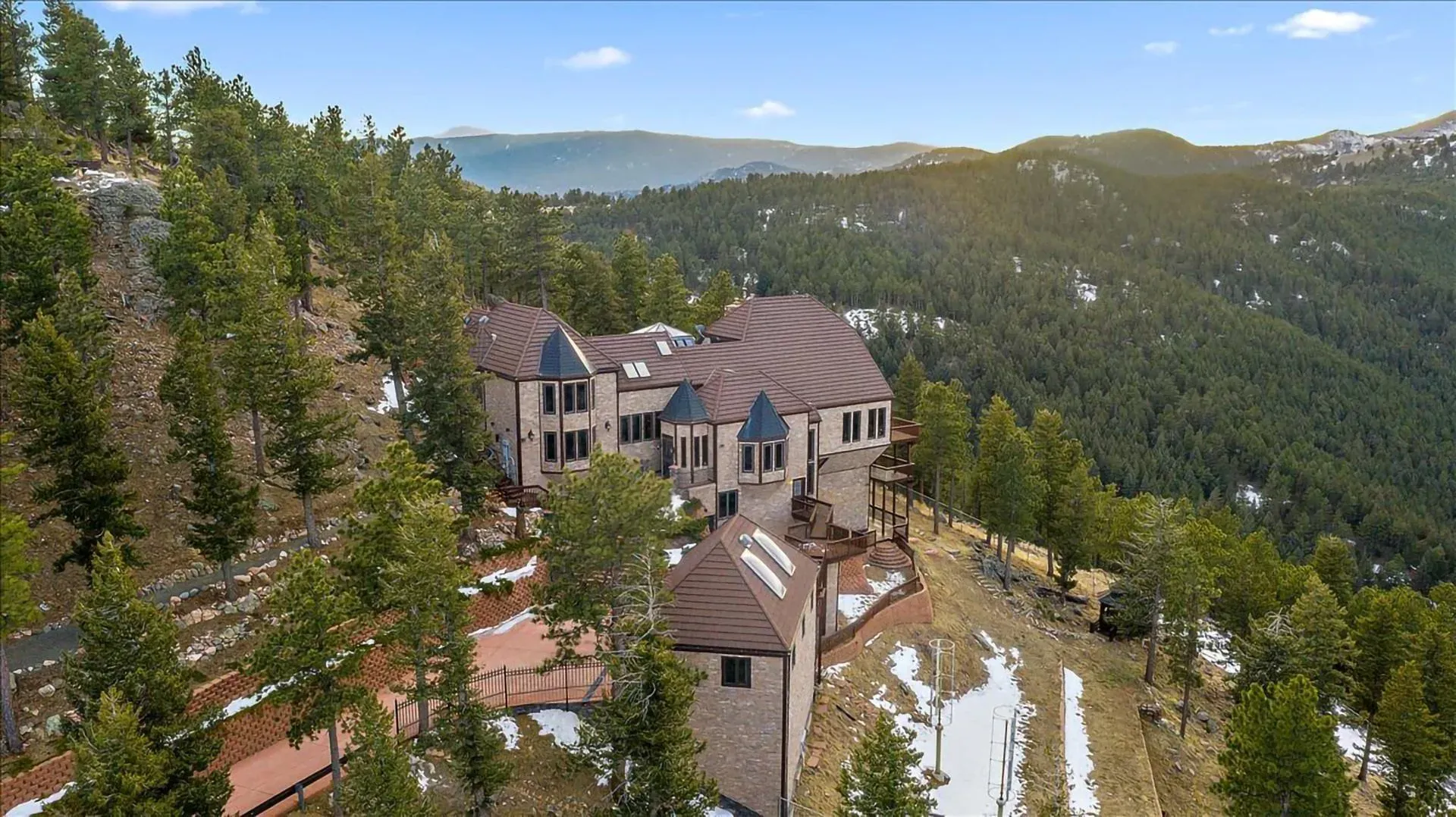
A metal roof does something asphalt simply can't: it reflects the sun instead of soaking it up. Dark shingles absorb solar heat and pass it down into your attic all summer, pushing cooling costs higher; metal panels, especially in lighter colors or with reflective "cool roof" coatings, bounce much of that radiant heat back off the roof. At Colorado's altitude, where the sun is genuinely punishing, that reflectivity can ease the load on your air conditioning through the hottest stretches of the year. It's a benefit that never shows up on the installation invoice but shows up every August on your energy bill.
Why Choose The Roofing & Siding Company for Metal Roofing
Metal roofing is a craft as much as a product — the panels are custom-formed and the details are unforgiving — and The Roofing & Siding Company has installed them across Denver and the Front Range. A metal roof done right is a fifty-year decision, which is exactly why the crew that forms and fastens it matters as much as the metal itself. We're a GAF Certified Plus Contractor, licensed, fully insured, BBB accredited, and a Team Dave Logan member, working from our shop at 6145 Broadway in Denver and serving Boulder, Littleton, Arvada, Golden, and the surrounding Front Range.
Not All Metal Roofs Are the Same Metal
"Metal roof" names a category, not a single product, and the metal beneath your panels shapes the cost, the look, and the lifespan more than anything else. The common choices:
Steel (galvanized or Galvalume): the most popular and cost-effective, coated for corrosion resistance and painted for color — the workhorse of residential metal.
Aluminum: lighter and completely corrosion-proof, a strong pick where maximum longevity matters, at a higher price than steel.
Copper and zinc: premium architectural metals that develop a living patina over decades — stunning, and priced to match.
Gauge: the thickness of the metal, where a heavier gauge buys a more durable, more dent-resistant panel.
What Goes Into a Standing Seam Roof
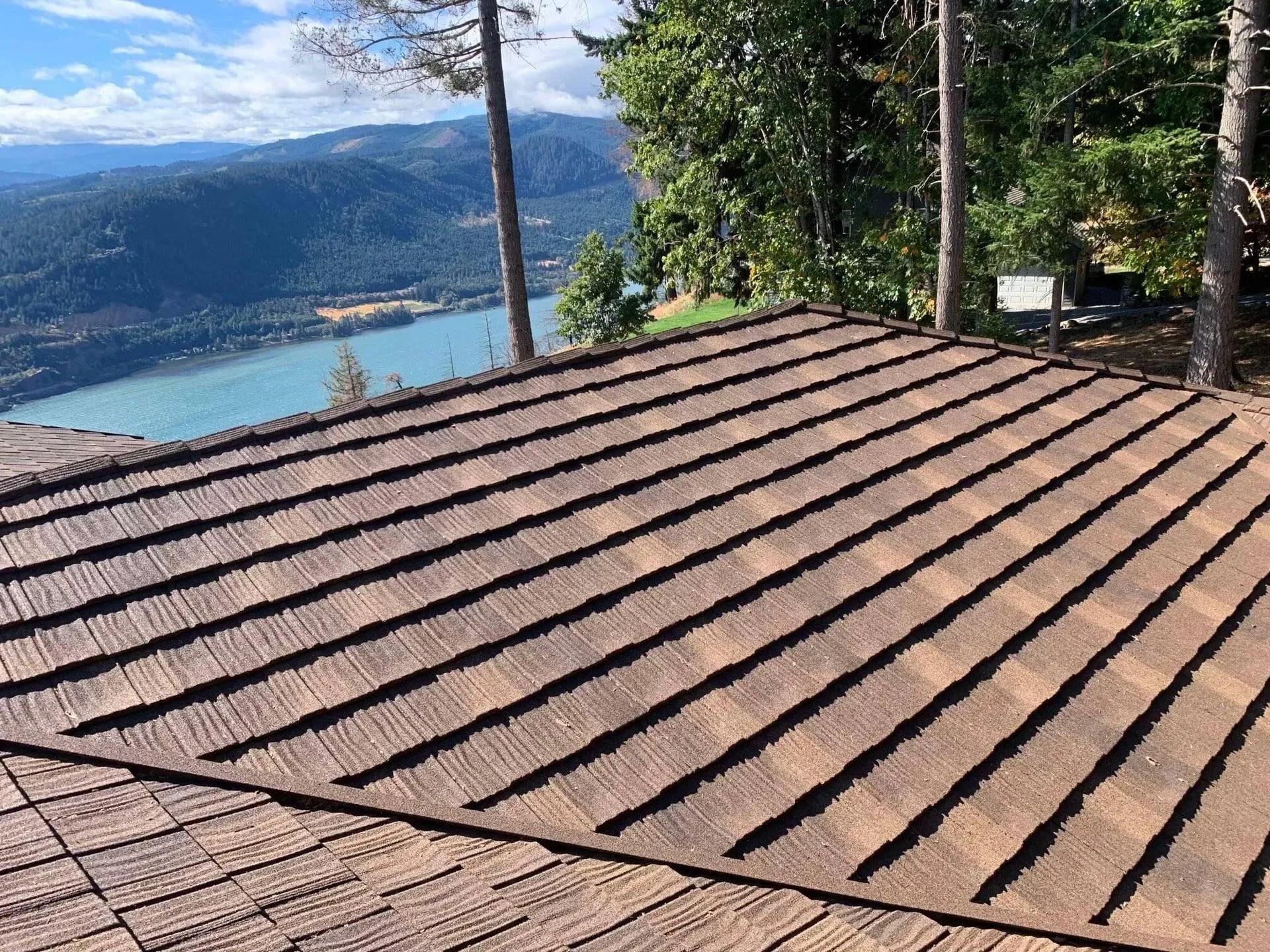
Standing seam takes its name from the raised, interlocking seams that join the panels and conceal the fasteners — but within that category sit meaningful choices that change how the roof performs and what it costs. Two roofs that both get called "standing seam" can be genuinely different products.
These are the specifics worth understanding before you sign, because they're what separate a metal roof that lasts fifty years from one that merely looks the part on day one.
Snap-Lock vs. Mechanically Seamed Panels
There are two main ways standing seam panels join. Snap-lock panels click together along their seams and suit most residential pitches — clean, efficient, and reliable. Mechanically seamed panels are crimped closed with a seaming tool, creating an even tighter joint that's the better choice for low-slope roofs and homes that take the harshest weather. Which one fits depends on your roof's pitch and exposure, and it's one of the first things we assess rather than defaulting to whatever's fastest to install.
Finishes and Color: PVDF vs. SMP
The paint system on a metal roof determines how well it holds color against Colorado's UV. PVDF finishes — often branded Kynar 500 — are the premium standard, resisting fade and chalk for decades. SMP (silicone-modified polyester) coatings cost less and perform respectably, but won't hold color quite as long. Both come in a wide palette, including reflective cool-roof colors. We'll walk you through the trade-off so your finish choice matches how long you plan to keep the roof.
Cost and Financing for a Metal Roof
Metal sits well above asphalt on upfront cost, driven by the base metal, the gauge, the finish, the seam type, and your roof's complexity. What that number buys is a roof that can outlast two or three shingle roofs, which changes the long-term math considerably. You'll get an itemized written estimate before any work begins, and for a project of this size, financing is available up to $100,000 through Upgrade, with terms from 1 to 15 years and a pre-approval check that won't affect your credit score.
The Benefits of Metal Roofs For Your Denver Home
Metal roofs come wrapped in a few persistent myths. Here's the reality:
They're not loud: installed over solid decking and underlayment, a metal roof is no noisier in rain than shingles — the "tin roof" sound comes from open barns, not homes.
They don't attract lightning: metal roofing doesn't raise your risk of a strike, and being non-combustible, it handles electrical energy more safely, not less.
They're nearly maintenance-free: an occasional rinse and a periodic check of the sealant at penetrations is essentially the whole list.
They're fully recyclable: at the end of a very long life the metal is recycled rather than landfilled, and it often starts with recycled content.
How Metal Compares to Your Other Options
vs. Asphalt Shingle
Asphalt shingle wins decisively on upfront cost and on ease of repair, and it suits traditional neighborhoods. Metal wins on lifespan — two to three shingle roofs' worth — plus energy performance and near-zero maintenance. It's the classic pay-less-now versus pay-less-over-time decision.
vs. Stone-Coated Steel
Both are long-lived steel roofs, but they look nothing alike. Standing seam gives you sleek, modern lines and visible raised seams; stone-coated steel mimics the look of shingle, shake, or tile with a textured stone surface that also hides hail dents. The choice is almost entirely about the look you want.
Built for Wildfire Country
Metal is noncombustible and carries a Class A fire rating, which makes it one of the materials that satisfies Colorado's foothills wildfire codes. For homes in or near a mapped WUI zone, a metal roof checks the fire box while also handling the hail and snow those elevations tend to see.
Metal Roofing
Frequently asked questions
How much longer does metal last than shingles?
Two to three times as long. A standing seam roof routinely runs 40 to 60 years, versus 20 to 30 for architectural shingle in Colorado conditions.
Can you install metal over my existing roof?
Sometimes, over a single clean layer with the right underlayment. We evaluate the deck first, and we tear off when that is the honest answer.
Does hail dent a metal roof?
Severe hail can cosmetically dent panels, but standing seam rarely loses function. Textured finishes and heavier gauges hide and resist denting.


Finding a good contractor
shouldn't be hard
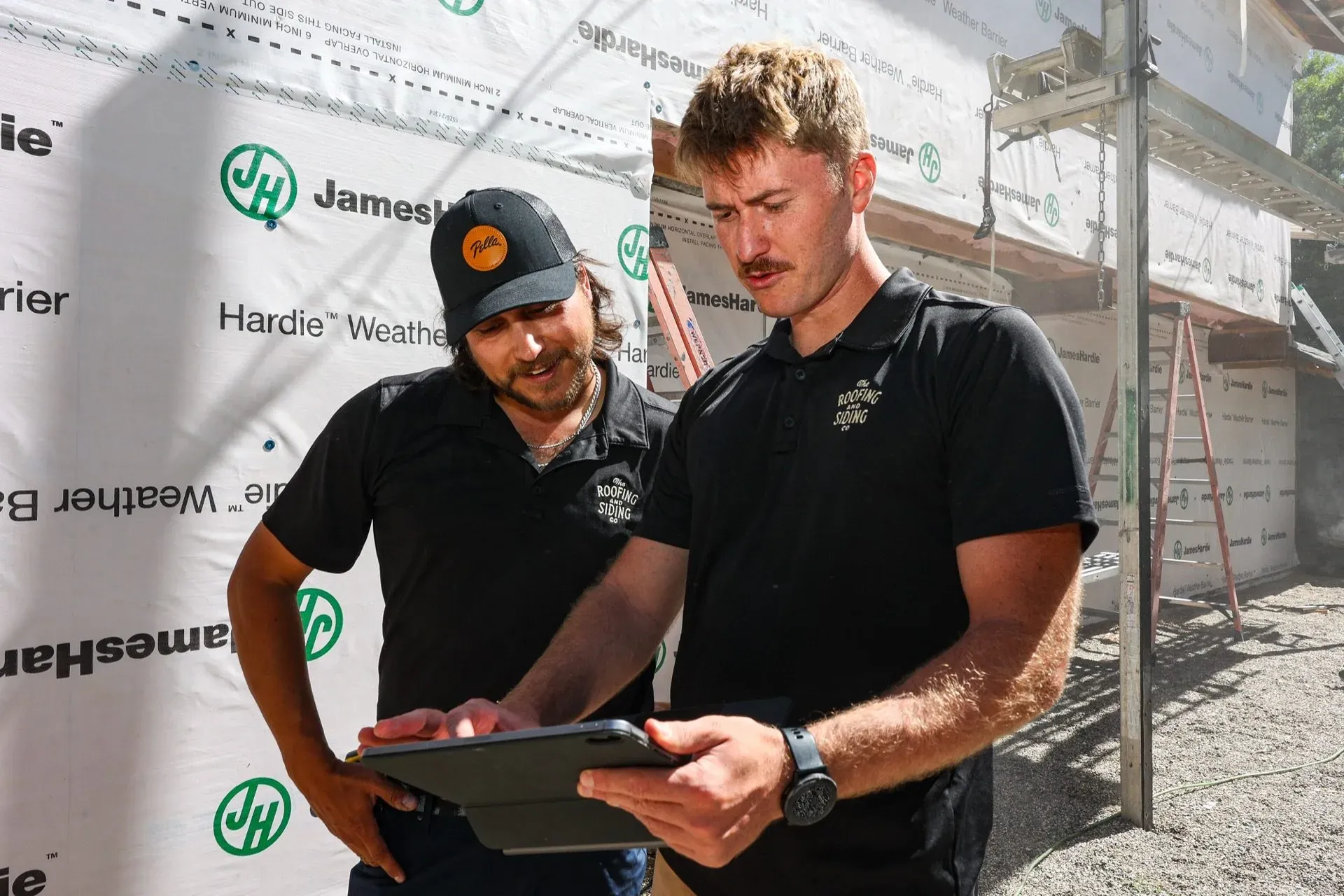
Living with a damaged roof or failing siding is stressful enough. But often, the 'fix' feels worse than the problem. The last thing you need is a pushy salesman trying to rip you off or a disorganized crew that you're forced to babysit because they won't communicate.
That's why we focus on making this process easy for you. Our professional team will provide the high-quality results you expect while keeping you informed every step of the way. Homeowners rate us 5 stars because we treat you and your property with the care you deserve.
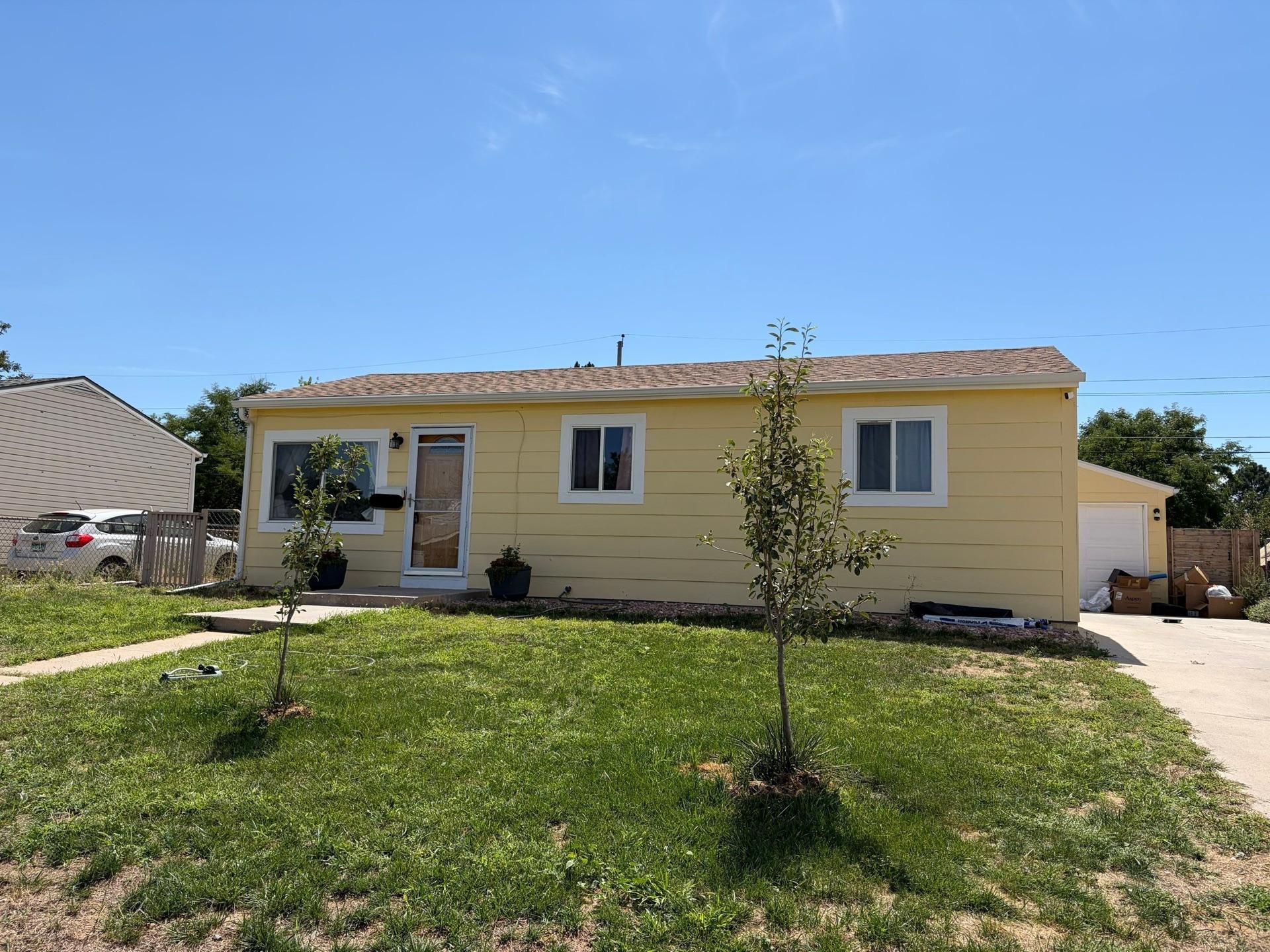
Every roof leaves our hands storm-ready.
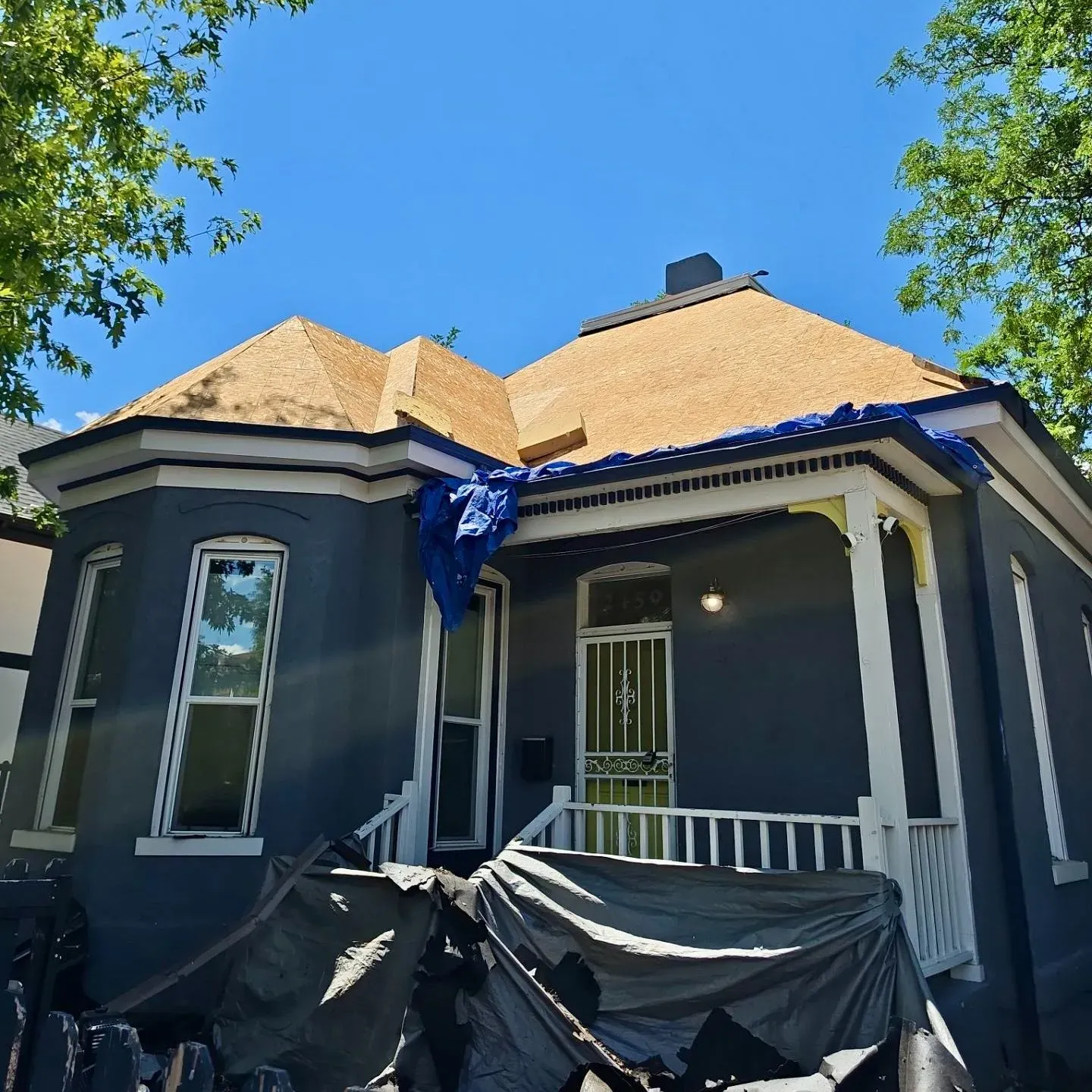
Shingle and steel, detailed to the inch.
Elite means vetted
A James Hardie
Alliance Elite Contractor
Factory-trained, quality-audited, and backed by the #1 name in fiber cement siding. When James Hardie puts their badge on our work, you can put your trust in it.
Explore James Hardie Siding